Food safety temperature monitoring sounds simple on paper: keep cold food cold, hot food hot, and write it all down. In a real kitchen, especially in the heat of summer, it is not that simple at all. When the line is slammed, tickets are stacked, and coolers never get a break, the system you use for tracking temperatures gets tested hard.
We see this every day in busy commercial kitchens. This article walks through why traditional temperature checks fall apart under pressure, where the hidden weak spots live, and how a different approach to monitoring can keep food safer without slowing the line.
When Food Safety Systems Break Under Real Kitchen Pressure
Picture a peak dinner rush in midsummer. The grill is packed, fryers are humming, and the dish station is buried. Cooks reach into coolers over and over. A delivery truck shows up late with thawing product. Half the team has been on the job less than a month.
In that chaos, food safety temperature monitoring usually slides down the list. Logs get rushed, or filled out at the end of the night from memory. Someone scribbles numbers that seem “about right” so they can get back to the tickets. The intention is good, but the practice turns into guesswork.
The stakes are high, especially when the weather is hot and volume is heavy:
- Foodborne illness risk rises when food sits too long in the danger zone
- A single incident can damage your brand and shake guest trust
- Health inspectors look closely at holding temps and documentation
- Product waste goes up when equipment problems are caught too late
Most chefs and managers care deeply about safety. The problem is not lack of concern. The problem is that manual systems cannot keep up with the speed, heat, and constant motion of a modern kitchen.
Hidden Weaknesses in Manual Temperature Checks
Many operations still lean on the same basic process:
- Staff spot-check hot and cold holding every few hours
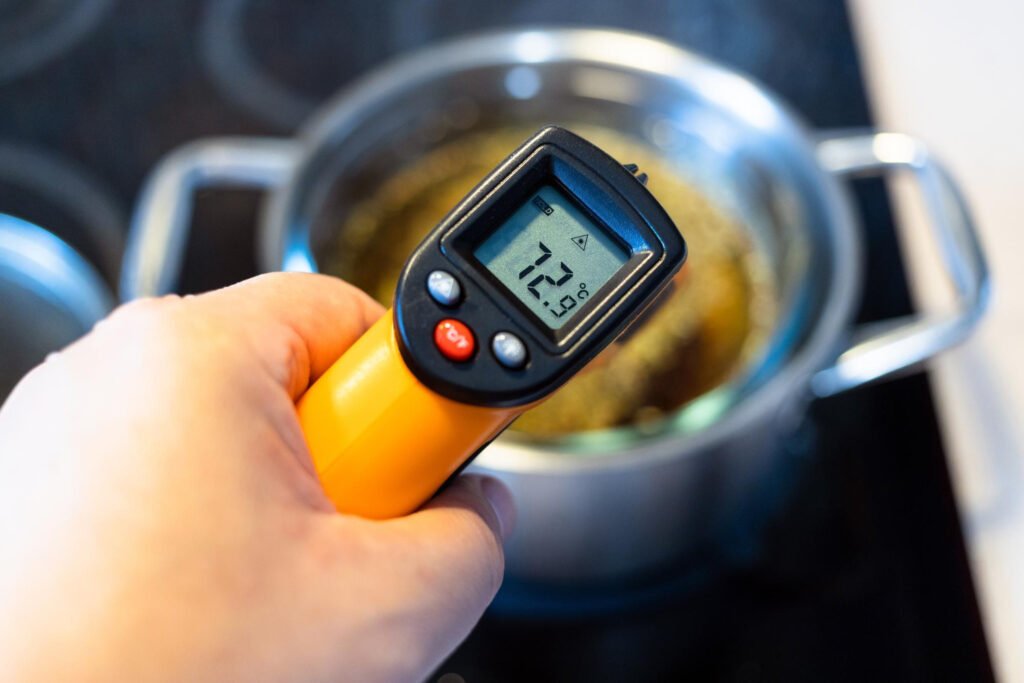
- Deliveries are checked at the door with a handheld thermometer
- Numbers go onto paper logs or a simple spreadsheet
On a calm afternoon, this can work. During a lunch crush, the cracks show. Common issues include:
- Probes placed in the wrong part of the pan, giving a false safe reading
- Thermometers that are out of calibration and never tested
- Checks skipped when someone calls out or when managers are off-shift
Documentation has its own problems. Handwriting is hard to read. Timestamps are missing. Logs get “pencil whipped” at the end of the day. When an inspector asks about a past temperature issue, there is often no solid proof of what really happened.
The result is that critical control points may go unmonitored for long stretches. Temperature abuse slips by. Equipment that is slowly failing, like a cooler that struggles on hot days, stays under the radar until it breaks and takes a whole day’s product with it.
Why Busy Kitchens Push Food Safety to the Back Burner
Manual systems do not fail just because they are manual. They fail because they clash with real kitchen life. Many teams face:
- Understaffed shifts and pressure to hit tight ticket times
- Seasonal staff with very little training on food safety details
- Competing priorities, from guest service to upselling to prep lists
The culture often rewards speed and sales more than perfect logs. When the unspoken message is “just make it work,” some people feel pressure to make the log look right, instead of slowing down to capture what is actually happening in that cooler or hot well.
On top of that, people are human. They forget to log between rushes. They misread a thermometer. On blazing hot days, they avoid opening a cold unit more than they must, which can hide dangerous temperature spikes inside.
For groups with multiple locations or franchise units, this gets even harder. Each kitchen may:
- Interpret standard operating procedures in a slightly different way
- Follow different habits about when and how to log
- Use different tools with no central view for leadership
Without clear, real-time visibility, it is hard to know which kitchens are holding the line on food safety and which ones are barely keeping up.
Technology That Fails to Fit the Heat of Service
Many operators try to fix the problem with basic technology. They add simple data loggers, wired sensors, or apps that still expect someone to remember to enter numbers during the shift. These tools are a step up from paper, but they often fall short in practice.
Common issues with these partial solutions include:
- Clunky interfaces that slow people down right when they are busiest
- Alerts that go to one person, who might be off or asleep
- Hardware that does not handle steam, grease, and constant cleaning
- Little or no connection to the systems managers already use
Alert fatigue is a big one. If alarms go off for every cooler door opening, people quickly learn to ignore them. Late-night notifications with no clear instructions on what to do next only add stress. Without a simple escalation plan, alerts turn into background noise instead of prompts for action.
Another mistake is dropping new tech into the kitchen without staff buy-in. Minimal training, no clear roles for responding to alerts, and no link to the food safety metrics leadership actually cares about can all cause good tools to die on the vine.
Rethinking Food Safety Temperature Monitoring as a Continuous Flow
A better way is to stop treating temperature checks as single snapshots on a schedule, and start treating them as a continuous flow of information. With automated, real-time monitoring, sensors watch conditions all the time, in the background of every shift.
In practical terms, that can look like:
- Sensors in coolers, freezers, prep areas, and storage
- Data sent to cloud-based dashboards that managers can see on-site or remotely
- Clear trends and graphs instead of one-off readings
Instead of chasing numbers all day, staff only get pulled in when something needs attention. This is called exception-based workflow. When a threshold is crossed or a pattern hints that a piece of equipment is struggling, the right people get:
- A timely alert
- Simple, step-by-step guidance on what to do
- Clear notes that become part of the record
Compliance becomes simpler too. Automatic, timestamped records are stored securely. When health inspectors or corporate food safety teams have questions, you can show a clean, trustworthy history instead of digging through binders or guessing about past readings.
Turning Monitoring Into a Competitive Advantage This Summer
High-heat, high-volume seasons are the perfect time to take a hard look at how your kitchen handles temperature control. Busy periods expose the weak points that stay hidden on slow days. Instead of just hoping logs get filled out, you can use that pressure as a stress test.
Practical first steps include:
- Review current logs and note where entries are missing or copied
- Walk the kitchen and mark every critical temperature control point
- Talk with culinary and operations leaders about where things break down
- Map where automation would remove risk or free up staff time
The business benefits reach beyond passing inspections. When monitoring is continuous and dependable, you are more likely to catch equipment problems early and save product. You lower the chance of foodborne illness incidents that can shake guest trust. You give your team clearer tools, so they can focus on cooking and service, not chasing paperwork.
At Qualified Controls, we focus on automated, real-time environmental monitoring for regulated industries, including food service operations that face the daily heat of service. By rethinking food safety temperature monitoring as a steady, background flow instead of a rushed chore, kitchens can protect guests, simplify compliance, and give their teams space to do what they do best.
Protect Your Kitchen With Proactive Food Safety Monitoring
If you are ready to reduce risk and keep every product within safe temperature ranges, we can help you put reliable controls in place. At Qualified Controls, we design systems that simplify food safety temperature monitoring so your team can focus on quality and service. Reach out today so we can review your current process, identify gaps, and recommend practical improvements tailored to your operation. Together, we will build a monitoring approach that stands up to real-world kitchen demands.