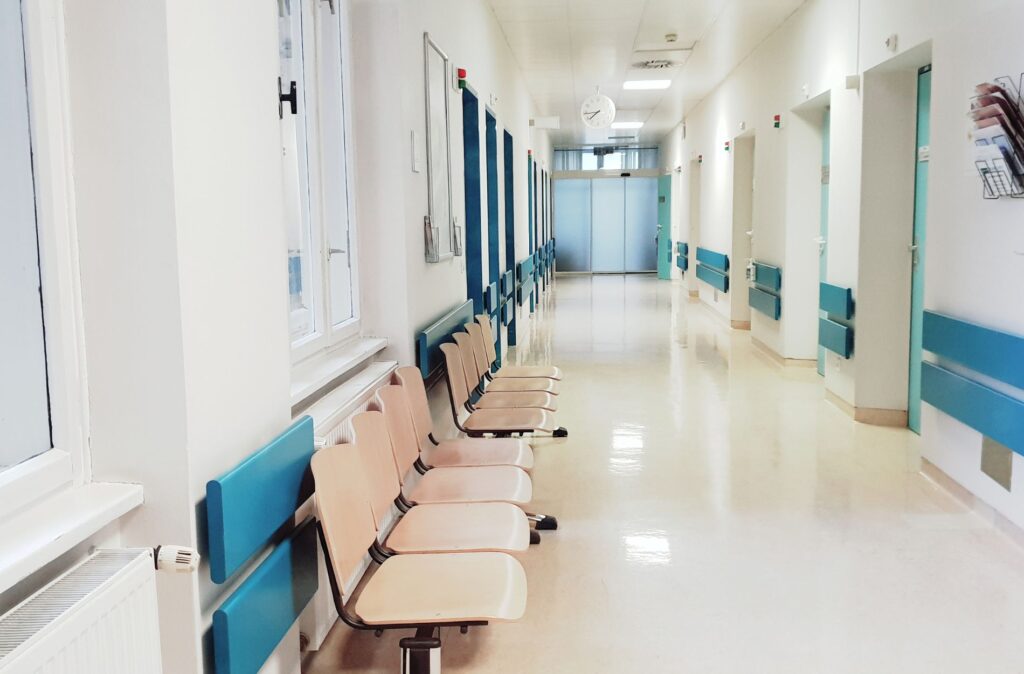
Temperature monitoring in hospitals is not something that should be overlooked. It’s a key player in protecting both patients and medical supplies. Hospitals handle a variety of sensitive items like blood products, vaccines, and medications that all require proper storage conditions. Without careful monitoring, there’s a risk that these items could become ineffective. This could lead to significant health risks or even harm to patients.
For these reasons, hospitals rely on temperature monitoring systems to keep everything in check. These systems help maintain strict temperature controls and comply with industry regulations. In a busy hospital setting where every second counts, having a reliable temperature monitoring system means one less thing to worry about.
Types of Temperature Monitoring Systems
When it comes to monitoring systems, hospitals have several options at their disposal. Here are a few types you might come across:
– Basic Thermometers: The simplest and often cheapest option. They get the job done but lack advanced features.
– Wi-Fi-Enabled Data Loggers: These provide real-time data and alerts, making it easier to act fast if temperatures go out of range.
– Advanced Automated Systems: These comprehensive systems offer remote access, detailed logs, and advanced alert features. They can integrate seamlessly into existing hospital IT infrastructure.
Each type of system has its perks and downsides:
– Basic thermometers are easy on the budget but don’t offer much more than just telling the temperature.
– Wi-Fi data loggers allow you to keep track of conditions easily, but they can be a bit pricier.
– Automated systems offer the most features, like remote access and comprehensive data logs, but they require a more significant initial investment.
By understanding your hospital’s specific needs and budget, you can choose a system that best fits your requirements. Proper temperature monitoring isn’t just a checkbox on a compliance list – it’s about ensuring patient safety and peace of mind.
How a monitoring system fits hospital IT
Gateway connectivity options include Ethernet, Wi-Fi and cellular, depending on the selected hardware. A typical deployment needs about 2 hours of IT involvement for network access and the required firewall port configuration. MySirius supports single sign-on and role-based user management. A documented customer API is available with Serenity or higher subscriptions for integration work.
Refrigerator monitoring options, probe placement and buffers
Electronic freeze indicators can show that a freezing threshold was crossed, but they do not replace a continuous temperature history. Chart recorders preserve a paper trace and require regular chart replacement and retention. Compare temperature range, alerting, record retrieval and coverage across every refrigerator and freezer in scope.
For vaccine storage, CDC recommends a detachable probe that reflects vaccine temperatures, including probes buffered with glycol or glass beads. Position the probe with the stored vaccines rather than near the door, vent or wall; choose the buffer and monitoring arrangement for the application.
Qualified Controls can supply physical glycol or glass-bead buffers. QC and MySirius also offer a proprietary option to simulate product conditions using validated glycol simulations. The simulated effect can be switched on or off.
Reference: CDC Vaccine Storage and Handling Toolkit, July 2026, temperature monitoring equipment and probe placement guidance.
Key Features to Look for in Temperature Monitoring Systems
Selecting the right temperature monitoring system is like picking a reliable partner. You need it to be accurate and dependable. Accuracy is the cornerstone because even a slight variance could jeopardize the safety of stored items. Systems with real-time data logging ensure that temperature fluctuations are recorded as they happen, giving you a clear picture of potential issues before they spiral out of control.
Alarm capabilities are also vital. Imagine receiving an immediate alert if the temperature slips outside the acceptable range. This prompt notification allows for swift action, preventing any possible damage. Remote access is another handy feature, letting hospital staff keep track of temperature conditions from anywhere. It’s like having eyes on the storage rooms at all times. User-friendly interfaces make these systems easier to operate and integrate smoothly with existing hospital IT networks, reducing the learning curve for staff.
Compliance and Best Practices
Hospitals have rigorous regulations to follow when it comes to temperature monitoring. The FDA, CDC, and various other bodies set stringent guidelines to ensure the safety of medical supplies. Keeping up with these regulations involves more than just maintaining proper storage temperatures. Hospitals must also provide documentation for audits, which is where automated systems shine. They produce audit-ready reports that are both thorough and easy to manage.
Staying compliant requires some best practices. Make routine calibration a habit to ensure sensors are working correctly. Regular maintenance extends the life of the equipment and also keeps it functioning properly. Automated systems can store digital logs that make compliance checks straightforward and less time-consuming.
Benefits of Advanced Monitoring Systems in Durham, NC
Durham, NC, is a hub for top-notch hospitals that require superior monitoring systems. These advanced systems provide more than just peace of mind—they enhance patient safety, boost operational efficiency, and reduce the risks associated with failing to meet compliance standards. With Durham’s hospitals at the forefront of medical excellence, having state-of-the-art systems is practically expected.
Imagine a hospital reducing its operational costs significantly by diverting fewer resources to manual monitoring tasks. This allows the staff to focus more on patient care, the primary mission of every healthcare facility. In the long run, these systems deliver not just cost savings, but enhanced patient outcomes by ensuring that everything from blood products to medications is stored correctly.
So, when considering the best temperature monitoring solutions for hospitals in an innovative community like Durham, NC, it’s crucial to adopt systems that not only meet but exceed the needs of such a forward-thinking hub. Checking all the regulatory boxes isn’t just about staying compliant; it’s about contributing to a safer, more efficient healthcare environment.
Ensure your hospital maintains the highest standards with the best temperature monitoring solutions. Qualified Controls offers advanced systems designed to fit seamlessly into your existing setup, increase efficiency, and enhance safety. For more detailed information on how these systems can transform your facility, explore the range of applications and benefits available through best temperature monitoring.
Choosing a monitoring system: common questions
What records can MySirius support?
Continuous monitoring, alert escalation and traceable records support your facility’s temperature-control procedures and inspection preparation.
Can MySirius monitor our existing equipment?
MySirius retrofits existing refrigerators, freezers and blood storage units across pharmacy, lab and blood bank. LoRa sensors communicate with their gateway without joining hospital Wi-Fi.
Who handles calibration and validation?
Qualified Controls provides installation, IQ/OQ and annual calibrated-sensor exchange. Reference deployment: the multi-site Versiti Blood Center.
See MySirius monitoring, vaccine and pharmacy storage monitoring, pricing and deployment options, or talk to a specialist.