An HVAC failure can put a stability study at risk even when the stability chamber stays powered. Rising room temperatures, lost dehumidification, poor airflow, or a hot condenser area can make it harder for the chamber to hold its programmed conditions. For GMP teams, the main question is not whether the suite felt uncomfortable. It is whether approved study conditions were maintained and whether the records clearly show what happened.
At Qualified Controls, we help regulated facilities use continuous stability chamber monitoring to protect both the study and the evidence behind it. A well-planned monitoring strategy gives QA, validation, laboratory operations, and facilities teams the information they need to respond quickly and investigate with confidence.
Protect Stability Studies During HVAC Failures
Late September is a useful time to review readiness. Hurricane season, severe storms, utility interruptions, and seasonal HVAC transitions can all create added risk, especially for facilities in the Southeast. A chamber may continue running through an HVAC event, but the surrounding room conditions can still reduce its ability to recover from heat loads or maintain humidity control.
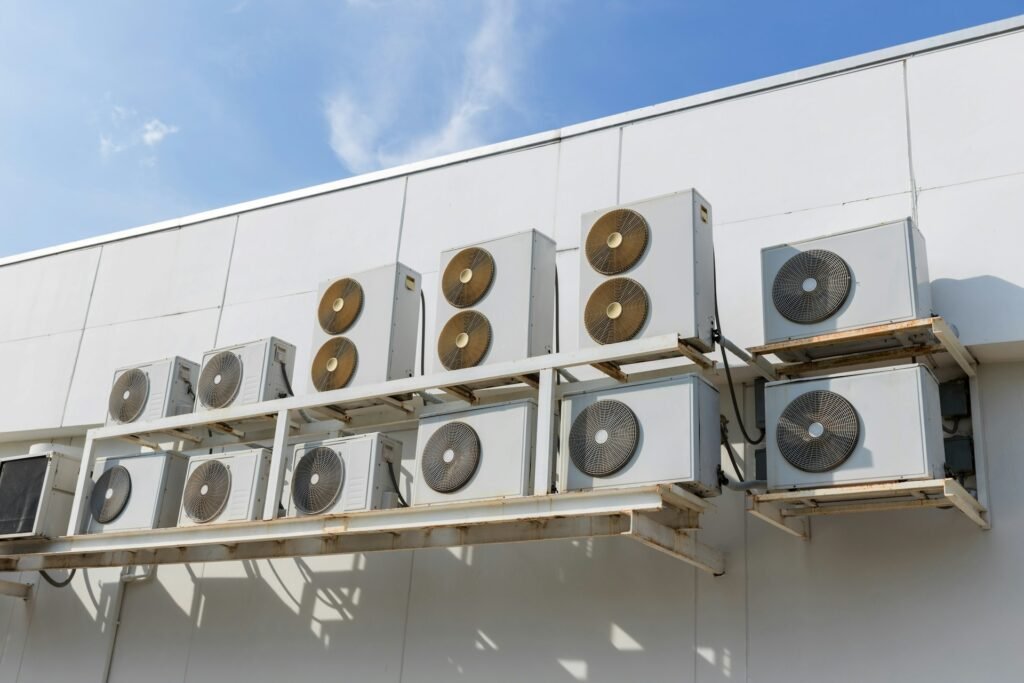
Stability chambers are controlled systems, but they do not operate in isolation. When the stability suite becomes too warm, refrigeration equipment may have to work harder. High humidity, restricted airflow, failed exhaust, and loss of conditioned air may also affect performance, depending on the chamber design and study condition.
We recommend that teams assess risks such as:
- Elevated temperature or humidity in the stability suite
- Reduced HVAC airflow or failed make-up air
- Condenser overheating or restricted heat rejection
- Utility power disruption during a storm or outage
- Delayed response when an event occurs after hours
A room-condition alarm is not automatically a chamber excursion. Still, it may be an early sign that the chamber is under stress. Both records matter because the room trend may explain why the chamber began drifting, why recovery took longer than expected, or why several chambers in one area were affected.
Monitor the Chamber and the Room
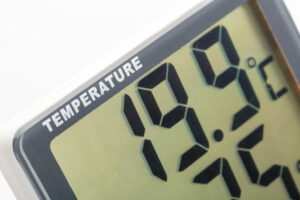
Effective stability chamber monitoring should capture conditions inside the chamber and in the surrounding suite. Chamber temperature and humidity records show whether the study environment remained within its approved parameters. Ambient room monitoring provides context for the event and helps teams identify a likely root cause.
That combined view is especially helpful when conditions change slowly. A chamber display may look acceptable during a brief check, while continuous records reveal a developing trend that began hours earlier. We see this difference become important during deviation assessments, when QA needs to understand not only the final reading but the full timeline.
Continuous monitoring can document:
- Conditions before, during, and after the HVAC event
- The exact time an alarm was triggered and acknowledged
- Whether the chamber recovered on its own or required intervention
- Whether the issue affected one chamber or an entire stability area
- The relationship between room conditions and chamber performance
With this information, your team can determine whether a formal deviation investigation is needed and evaluate the event against the approved stability protocol and excursion-handling procedures.
Build Alarms for Fast, Clear Response
An alarm is only helpful when it arrives early enough for someone to act. Alarm thresholds should reflect the chamber’s approved operating range, normal control variation, expected equipment response time, and the time it takes for staff to investigate. Early-warning thresholds can flag drift before the chamber reaches an official study-limit excursion, as long as the logic is documented and managed through change control.
Response paths should also be specific to your facility. The first alert may go to an on-call technician, lab manager, or facilities team. If the alarm remains unresolved, the notification can escalate to QA, validation, and leadership. Everyone involved should understand who can inspect the chamber, who may move samples under an approved contingency procedure, who documents the event, and when to involve the HVAC vendor or chamber manufacturer.
After-hours coverage deserves special attention during storm season and planned HVAC work. We recommend testing notification delivery through the channels your staff actually use and confirming that alarm acknowledgements are recorded. Predictive alerts can also identify equipment that is drifting toward failure, giving your team more time to inspect airflow, evaluate HVAC conditions, or prepare contingency measures before an excursion occurs.
Preserve Data Integrity for Investigations
Manual checks and handwritten notes can leave major gaps during an HVAC failure. A technician may record conditions only after receiving a call, long after the event began. Continuous data provides a complete trend that can show when room conditions changed, when the chamber responded, and whether recovery was stable.
For monitoring records that support regulated decisions, we recommend evaluating electronic controls relevant to applicable 21 CFR Part 11 expectations. That may include secure user access, audit trails, record retention, and readable reports. Part 11 does not automatically apply to every record, but validated electronic monitoring can support facilities operating under applicable cGMP and GxP requirements.
A practical deviation review should bring the evidence together, not rely on a single chamber display reading. The record may include chamber temperature and humidity trends, ambient conditions, alarm history, acknowledgement records, HVAC work orders, utility outage information, corrective actions, and the documented study impact assessment.
Keep Monitoring Valid Through Change
A response plan depends on a monitoring system that remains reliable as the facility changes. When chambers are relocated, stability suites are modified, HVAC equipment is replaced, or study requirements change, we recommend reviewing sensor locations, monitoring points, alarm limits, notification lists, and reporting workflows through change control.
Calibration continuity also matters. Sensors used for stability chamber monitoring need a documented calibration strategy, with calibrations performed through ISO 17025 accredited laboratories. Hot-swap, pre-calibrated replacement sensors can reduce downtime and help avoid the monitoring gap that may occur when sensors are removed for off-site calibration.
Validation is not a one-time event. IQ, OQ, and PQ establish that the monitoring system is installed correctly, operates as intended, and performs consistently for its intended use. Software upgrades, configuration changes, integrations, and sensor replacements should be assessed so the validated state is maintained. Managed validation documentation can help quality teams review software changes without rebuilding their compliance package from scratch.
Prepare Before the Next HVAC Event
Before severe weather or major HVAC maintenance, bring QA, validation, laboratory operations, and facilities together for a short readiness review. Confirm alarm thresholds, escalation contacts, after-hours notification delivery, backup power assumptions, HVAC maintenance status, and access to contingency procedures. An event simulation can reveal weak points before a live failure puts study data under pressure.
The strongest preparation combines trained responders with records that stand up to review. When a monitoring platform provides continuous trends, alarm history, audit-ready reporting, calibration support, and integration options for LIMS, QMS, or ERP workflows, your team has a clearer path to assess the event, document decisions, and protect study continuity.
Maintain Visibility Through HVAC Disruptions
Qualified Controls helps regulated teams strengthen response plans before an HVAC event puts stability studies at risk. Review our stability chamber monitoring applications to identify continuous monitoring, alerting, and integration capabilities that fit your quality workflow. We can help you maintain reliable environmental records and support timely, defensible decisions when conditions change.