Keeping cold chain shipments within range during last-mile delivery is hard enough, and summer heat makes it even harder. As more products go straight to homes, clinics, and smaller sites, the last stretch of the route often has the most variables and the least control. In those hot months, a short stop in direct sun or a delay in traffic can be all it takes for temperature to climb out of range.
In this article, we will talk about why last-mile delivery is such a weak spot, how cold chain temperature monitoring can close that gap, and what it takes to turn real-time data into clear, simple actions. Our goal at Qualified Controls is to help you see that this is not just a technical issue; it is a quality and safety question that you can actually manage with the right setup.
Keeping Cold Chain Shipments Safe in the Summer Heat
Last-mile delivery used to be a straight path from a hub to a store or hospital dock. Now there are home deliveries, changing routes, tight time windows, and multiple stops. Every extra turn, hand-off, or pause in the sun adds heat and risk, especially when outdoor temperatures are high.
When cold chain temperature monitoring fails at this final stage, the impact can be serious. Products can spoil before anyone knows there is a problem. That can lead to:
- Product waste and write-offs
- Regulatory issues and investigations
- Loss of trust from patients and customers
- Real risk of harm if unsafe products are used
Traditional delivery often treats the last mile like a black box. With real-time, automated monitoring, it becomes a clear and controlled link in the chain. Instead of guessing what happened in the van or at the curb, you can see it, document it, and act while the shipment is still on the road.
Why the Last Mile Is the Weakest Link in the Cold Chain
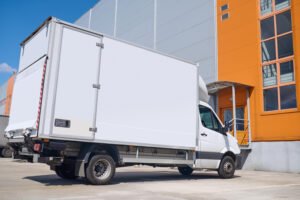
The last mile is where products leave well-controlled spaces and face the real world. During summer, that can mean blazing asphalt, hot parking lots, and vehicles that heat up fast when doors are opened. Some common pressure points include:
- Frequent door openings to load and unload
- Hand-offs between drivers or third-party carriers
- Mixed loads in the same vehicle with different needs
- Short waits at the curb or on the porch
Many older cold chain temperature monitoring methods only capture readings at departure and arrival. That leaves the hours in between untracked. If something goes wrong in that window, you might only find out later, after the product has already been used or discarded.
For regulated industries like pharma, biotech, healthcare, and food, even a short temperature spike can lead to big questions. Teams may need to quarantine product, review stability data, and sometimes discard full batches. When you do not know what happened in the last mile, these decisions get harder and slower.
Building a Strong Last-Mile Temperature Monitoring Strategy
A good last-mile plan starts with clear rules. You cannot protect what you have not defined. That means setting:
- Temperature and humidity ranges that match product needs
- Excursion limits based on stability data and guidance
- Internal quality standards that may be stricter than the minimum rules
Sensor placement is just as important as the limits. If sensors sit in the wrong place, your data will not match what the product actually feels. Strong practices include placing sensors:
- Inside or very close to product containers when possible
- On representative pallets, totes, or bins
- Away from vents or direct drafts that may give false comfort
Sensors also need to be calibrated so the data is trustworthy. Without calibration, it is hard to make firm decisions when an alarm goes off. When wireless sensors, gateways, and cloud software are linked together, data can move smoothly from storage to vehicles to your quality team. That means no waiting for loggers to be collected and read at the end of the day.
Turning Real-Time Data Into Actionable Cold Chain Protection
Real-time data only helps if someone can act on it. When your team sees live temperature readings during last-mile delivery, they can make choices before a small issue becomes a lost load. For example, they might:
- Reroute a driver to shorten exposure to heat
- Shift product into better insulated packaging for longer runs
- Transfer a load to a backup vehicle if cooling fails
Alert design is a big part of this. You want the right people to see the right alerts at the right time. A clear setup often includes:
- Drivers getting simple, direct alerts tied to what they can do
- Dispatch or operations seeing a route-level view
- Quality teams receiving alerts that may need investigation
Workflows should spell out exactly what happens when an excursion alert fires. That way, no one is guessing in the middle of a busy day. Automated reporting and audit trails then capture who did what and when. This supports investigations, CAPAs, and regulatory reviews, and it removes the need to chase paper logbooks or handwritten notes.
Ensuring Compliance for Regulated Last-Mile Deliveries
Regulated products do not stop being regulated just because they are in a van or on a driveway. Expectations from cGMP, GDP, USP guidelines, and 21 CFR Part 11 still apply to how you monitor, store, and document conditions along the way.
To support this, teams often focus on:
- Validated monitoring systems that perform as intended
- Documented procedures for last-mile handling and response
- Secure, traceable data with clear user access control
When your monitoring is validated and your data is secure and traceable, it is easier to show that products stayed within their approved ranges even during a heat wave. That gives quality and compliance teams more confidence when they release shipments or face inspection questions.
Managed services and expert support can help carry the load. This may include assistance with validation documentation, system setup, sensor placement, and ongoing checks that alarms and reports work as planned. At Qualified Controls, our focus is on automated, compliant real-time environmental monitoring for regulated spaces, and those same principles apply to the last mile as well.
Elevate Your Last-Mile Cold Chain Before the Next Heat Wave
Hot weather will keep testing last-mile delivery, especially as routes grow more complex. This is a good time to step back and look closely at how you monitor your final stretch. Ask where you still rely on manual checks, where data is missing, and where no one has clear ownership of last-mile cold chain temperature monitoring.
A simple way to move forward is to start small and learn fast:
- Select a pilot route or region with higher risk
- Deploy wireless real-time monitoring in vehicles and containers
- Define alert rules that match product and route realities
- Review data after a few cycles and adjust packaging and handling
As a provider of automated environmental monitoring, cloud software, and managed services, we at Qualified Controls see last-mile delivery as a natural extension of the work you already do inside warehouses, pharmacies, and labs. With the right plan, tools, and support, you can turn that final stretch from a weak spot into a dependable link in a strong, compliant cold chain, even on the hottest days of summer.
Protect Your Cold Chain Integrity With Proven Temperature Monitoring
If you are ready to strengthen product safety and compliance across your operations, we can help you design reliable cold chain temperature monitoring tailored to your exact requirements. At Qualified Controls, we work with you to identify risks, specify the right hardware and software, and validate performance in real-world conditions. Our team can support you from initial planning through implementation so your critical products stay within spec at every step. Reach out to discuss your project and explore the best options for your facility.