Hospital labs work under constant pressure. Samples are time-sensitive, patients are counting on clear results, and there is no such thing as “closed for the weekend.” A real-time alert system for temperature, humidity, and other conditions gives labs a quiet layer of protection that runs all day and all night.
Think about a blood bank fridge slowly warming over a long holiday break. Without alerts, that problem might sit for hours, maybe longer, and staff discover it only when they open the door and feel the air. Now compare that to a lab where the system sends an alert as soon as the temperature starts to drift. Someone checks the unit, moves the products, and patients never feel the impact. That is the kind of safety net we focus on at Qualified Controls, and in this article we walk through how hospital labs can use it in smart, strategic ways.
Real-Time Alerts That Protect Patients and Results
Hospital labs carry special risk. Many samples are fragile, time-sensitive, and tied to high-acuity patients in the ER, ICU, oncology, or surgery. Conditions need to stay within tight ranges, and accreditation standards expect clear proof that environments are under control at all times.
A real-time alert system adds a constant layer of awareness by:
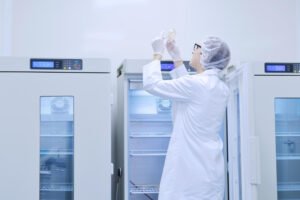
- Watching refrigerators, freezers, incubators, and blood storage around the clock
- Sending alerts through text, email, or on-call systems when conditions drift
- Giving leaders a live view of what is happening in every monitored space
During the busy fall respiratory season and winter surges, when staff are stretched and phones never stop ringing, this kind of automatic backup can keep slips from turning into patient issues.
Preventing Sample Loss Before It Starts
Lost or compromised specimens are more than an annoyance. They can lead to delayed diagnoses, repeat phlebotomy, extra needle sticks, longer stays, and sometimes reportable events that quality teams must track and explain. Even a single failed fridge can wipe out a large portion of a day’s work.
With a real-time alert system, we focus on stopping that loss before it begins:
- Continuous tracking of temperature, humidity, and other set points
- Alerts sent before limits are fully out of range, not after damage is done
- Logs that show the full curve, from the first drift through recovery
Configurable thresholds let you set tighter alarms for blood products and looser ones for less fragile items. Escalation paths and role-based notifications help make sure the right person gets the message, even on nights, weekends, and holidays when staffing is thin and everyone is covering more ground.
Strengthening Compliance and Survey Readiness
Regulators and accrediting bodies expect strong environmental control, clear documentation, and proof that the lab responds when something goes wrong. Manual logs can be hard to keep perfect, especially across multiple sites and shifts.
Automated monitoring supports compliance in several ways:
- Continuous data capture with time stamps and automatic backups
- Central dashboards that show trends and help spot recurring trouble spots
- Reports that are ready for surveys, instead of scrambling to pull paper logs
Tamper-evident records help show that readings have not been edited by hand. Time-stamped alerts and corrective action notes support a strong quality management system, which helps labs feel more ready when an inspection team walks in.
Boosting Staff Efficiency in a 24/7 Lab
Manual temperature checks steal time from complex testing and result review. When technologists and supervisors spend less time walking from unit to unit writing down readings, they can focus more on clinical work and problem solving.
A real-time alert system supports staff in several ways:
- Replaces many routine checks with automated monitoring
- Routes alarms to on-call staff without waking the entire team
- Cuts alarm fatigue by separating urgent issues from small blips
This matters when workload spikes, like during fall respiratory season, school outbreaks, or high elective surgery volume toward year-end. Automation does not replace people, but it can ease pressure, reduce overtime, and help teams feel less stretched.
Protecting Sensitive Equipment and Reagents
Environmental excursions do not just harm samples, they also wear down the tools that support your lab. Repeated temperature swings or power blips can shorten the life of refrigerators, freezers, incubators, and analyzers. Costly reagents, calibration materials, and QC samples can also degrade quietly before anyone notices.
Continuous monitoring can help by:
- Alerting when doors are left open or gaskets fail
- Flagging unusual temperature curves that suggest a unit is struggling
- Watching power status to catch outages or tripped breakers quickly
Over weeks and months, trending data starts to tell a story. If a freezer has frequent small drifts, that may point to an aging compressor. If one incubator needs constant service, it might belong on the list for replacement. This supports smarter capital planning and preventive maintenance, instead of last-minute emergency replacements.
Extending Visibility Across Satellite and Offsite Labs
Many hospital systems now run more than a single main lab. There might be satellite draw sites, outpatient clinics, and offsite blood storage scattered across a city or region. Keeping standards consistent everywhere is hard, especially when leaders cannot be in all places at once.
A centralized, cloud-based real-time alert system can give leadership a single pane of glass across:
- Main hospital labs
- Offsite blood and specimen storage areas
- Clinic fridges used for vaccines and short-term holding
This broader view is useful for seasonal programs, such as mobile flu or COVID vaccination clinics that rely on temporary storage. When environmental conditions at each location roll up into one dashboard, it is easier to compare sites, spot trouble quickly, and respond before it affects patients.
Turning Environmental Data Into Strategic Insight
The longer a real-time alert system runs, the more it reveals patterns that are hard to see with manual logs. You might notice repeated drifts around shift change, or higher temps in a fridge placed near a busy doorway or sunny window.
Labs can use this insight to:
- Adjust workflows so doors stay closed during certain steps
- Relocate sensitive equipment away from heat sources or traffic
- Retrain staff where process gaps show up in the data
When monitoring data connects with lab information systems or asset tools, it can support broader quality and risk programs across the hospital. Environmental trends sit beside result quality metrics, instrument downtime, and other data, giving leaders a fuller picture of how the lab is performing as a whole.
Protect Your Facility With Instant, Actionable Alerts
If you are ready to reduce risk and respond faster to critical events, we can help you implement a tailored real-time alert system that fits your operations. At Qualified Controls, we design and configure monitoring that sends the right information to the right people the moment it matters. Our team will work with you to integrate alerts into your existing processes so staff can act confidently and consistently. Reach out today so we can review your current setup and outline clear next steps to strengthen safety and compliance.