A remote temperature monitoring system helps hospitals keep vaccines, blood products, and medications safe, even when no one is standing in front of a refrigerator. When cold storage fails, it is not just about spoiled product; it can delay care and put patients at risk. As we head into fall and winter, when respiratory viruses spike and the need for vaccines and critical drugs grows, having reliable monitoring in place is especially important.
In this article, we walk through what a remote temperature monitoring system is, why hospitals need it now, what features to look for, how to compare vendors, and how to roll out a system before the next surge. Our goal is to give hospital leaders a clear, practical view so you can make smart choices that protect both patients and staff.
Remote Temperature Monitoring That Protects Patients
Think about a hospital pharmacy refrigerator failing overnight right before flu shots ramp up. By the time staff unlock the doors, in the morning, the display looks normal again, but the product inside may have been out of range for hours. Without continuous data, there is no way to be sure. The safest choice may be to throw away vaccines and to delay clinics.
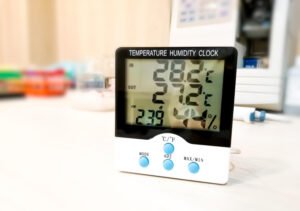
A remote temperature monitoring system is built to prevent that kind of surprise. In hospital settings, it usually includes:
- Wireless sensors in refrigerators, freezers, rooms, and clean spaces
- Continuous readings of temperature, humidity, and other key values
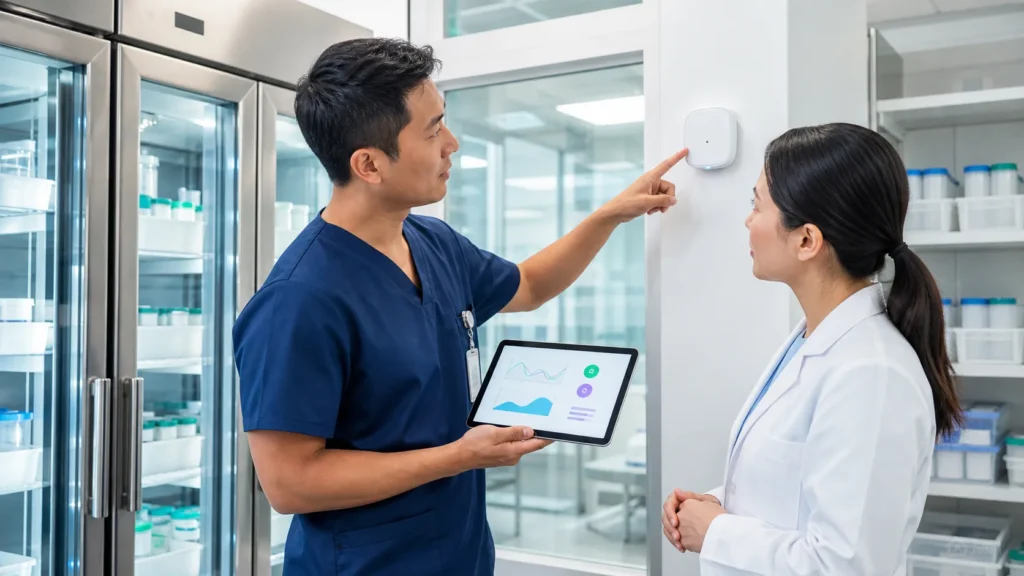
- Cloud software that stores data, trends, and alarms
- Automated alerts, plus clear, time-stamped records for audits
Fall and winter raise the stakes. Pharmacies carry more vaccines, blood banks must be ready for increased demand, labs handle more respiratory tests, and operating rooms depend on steady conditions. A single storage failure can ripple across all of these areas. That is why it pays to understand what to look for before the season hits.
Why Hospitals Need Remote Monitoring Now
Cold and controlled environments touch almost every part of care. Even short swings in temperature or humidity can damage:
- Vaccines and biologics
- Blood and blood products
- Lab reagents and controls
- Specialty medications and nutrition products
When these items are exposed to the wrong conditions, they may look fine but no longer work as expected. That puts patient safety and clinical decisions at risk.
At the same time, many hospitals run lean, especially overnight and on weekends. Manual checks once per shift or once per day leave long gaps where problems can go unnoticed. During the busy fall and winter surge, staff are rushing between the ER, ICU, pharmacy, and floors. A missed log sheet or a door left slightly open is easy to overlook.
There is also a financial and reputational side. Product loss, canceled clinics, delayed surgeries, and failed inspections all hurt. Compared to those hits, setting up a reliable monitoring system is a straightforward way to lower risk.
Weather and building stress add one more layer. Extreme heat or cold puts pressure on HVAC systems and older infrastructure. Modern hospitals also have more storage units, more specialty rooms, and more complex airflows, which means more places where things can go wrong. Continuous, automated monitoring is often the only realistic way to keep eyes on all of it at once.
Core Features of a Hospital-Ready Monitoring System
A hospital-ready system needs to cover more than one or two refrigerators. It should support pharmacies, labs, operating rooms, cleanrooms, blood banks, and central supply, tracking not just temperature but also humidity and differential pressure where needed.
Key elements to look for include:
- Flexible sensors that can handle refrigerators, freezers, rooms, and clean spaces
- Monitoring for temperature, humidity, and pressure where required
- Support for multiple buildings or campuses under one view
Modern systems like those we build at Qualified Controls use wireless sensors that send data to secure cloud software. This setup reduces the load on IT teams because there is less wiring and fewer on-site servers to manage. It also makes it easier to see trends across sites, pull reports, and manage alarms from a central dashboard.
Smart alerting is just as important as the sensors:
- Custom alarm limits for each device or room
- Alert channels like SMS, phone calls, and email
- Clear rules for escalation and alarm acknowledgment
These features help catch true issues without overwhelming staff with nuisance alarms.
Reliability should be a core requirement. That includes long-life batteries, local data storage inside the sensor if the network drops, and backup communication paths when possible. Even during power or network problems, the system should keep recording and send alerts as soon as it can.
Meeting Regulatory and Accreditation Requirements
Hospitals answer to many groups around storage and environment control. Expectations often tie back to:
- The Joint Commission and CMS requirements
- CDC guidance for vaccine storage and handling
- FDA and USP standards where sterile products and certain drugs are involved
A compliant remote temperature monitoring system must support strong data integrity. That usually means secure, time-stamped records, complete audit trails, and controls around who can view, change, or acknowledge data. Calibration records and tamper-evident histories are key during surveys or investigations.
Calibration, mapping, and validation matter too. Sensors should be calibrated on a regular schedule by qualified labs. Critical refrigerators, freezers, and rooms often need temperature mapping, so you know where the hot and cold spots sit and place sensors in the right locations. Many quality teams also expect proof that the overall monitoring system has been tested and qualified for its intended use.
Technology alone is not enough. Alarm limits, response steps, and documentation must match hospital policies and what surveyors expect to see. When the system and the standard operating procedures line up, staff can respond faster and with more confidence.
How to Compare Vendors and Select the Right System
Before talking to vendors, it helps to bring the right people to the table. A cross-functional group might include pharmacy, lab, nursing, facilities, biomed, IT, and quality. Together, you can list current risks, problem areas, and must-have features.
When you review systems, pay close attention to:
- How easy the dashboard is to read and search
- Whether staff can use mobile devices to see alarms and trends
- Role-based views, so each team sees what matters to them
- Reporting tools for daily checks, surveys, and internal reviews
Integration and IT fit are also big topics. Ask how the system connects with existing building automation or HVAC controls, how it aligns with security policies, and what hosting options are available. If clinical areas are included, it is wise to discuss data protection and any HIPAA-related questions with your IT and compliance teams.
Total cost of ownership goes beyond the initial hardware. Look at subscription terms, calibration and maintenance services, training, and ongoing support. Balanced against that, consider possible savings from less product loss, fewer manual checks, and stronger inspection readiness. References from similar hospitals can help you see how a system performs over time.
Implementing Your Remote Monitoring Strategy Before Winter
Rolling out remote monitoring works best in phases. Many hospitals start with the highest-risk spots, such as vaccine refrigerators, blood banks, and select lab areas, then expand to cleanrooms, ORs, and broader facilities monitoring. Getting that first phase in place before winter peaks builds a safety net around the most sensitive items.
Training and change management are just as important as the hardware. Staff should know:
- What each alarm type means
- Who is responsible for responding
- How to document actions taken
- When to call facilities, pharmacy, or leadership
When teams trust the system and know what to do, alarms turn into quick action instead of confusion.
Over time, the data itself becomes a tool for improvement. Trend reports can highlight units that struggle to hold range, areas with repeated door-open alarms, or rooms where humidity drifts. This information supports better alarm setpoints, fewer nuisance alarms, and smarter planning for equipment or HVAC upgrades.
Working with a specialized provider that understands healthcare environments makes this process smoother. At Qualified Controls, we focus on automated, compliant environmental monitoring with wireless sensors and cloud software, helping hospitals keep critical parameters under control across many types of regulated spaces.
Protect Your Inventory With Reliable 24/7 Temperature Monitoring
If you are ready to reduce product loss and keep your facility compliant, we can help you design a customized remote temperature monitoring system that fits your operation. Our team at Qualified Controls will work with your staff to identify critical zones, set alert thresholds, and streamline reporting. Reach out today so we can walk you through next steps and outline a clear plan to get your monitoring solution up and running quickly.