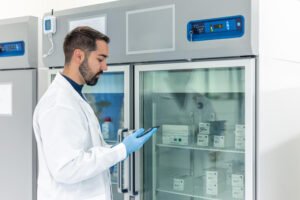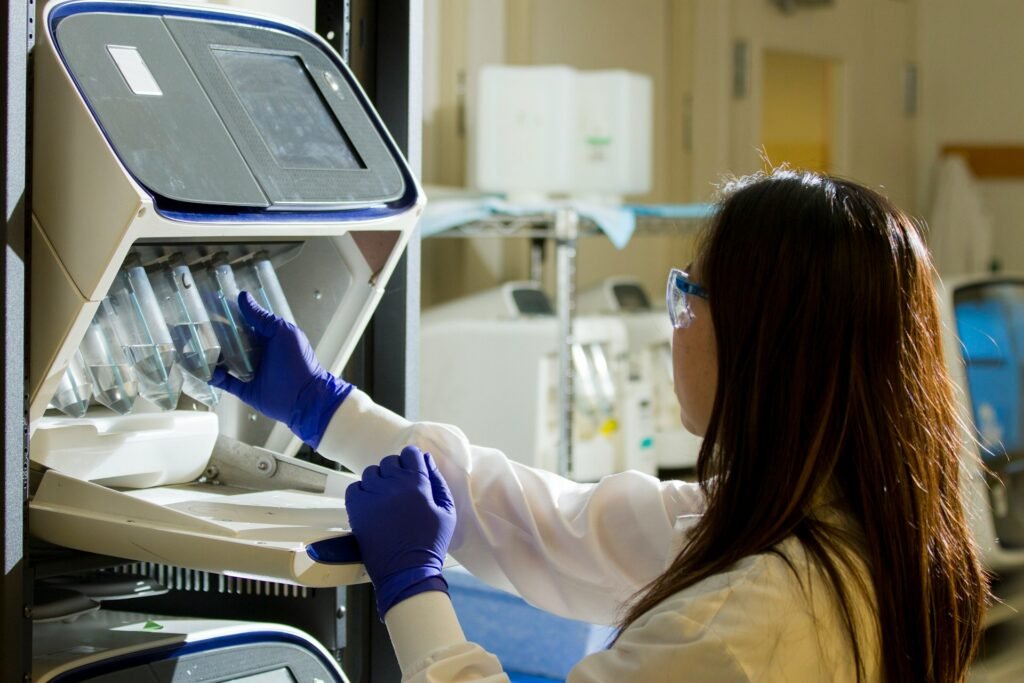
A ULT freezer failure can put far more at risk than one piece of equipment. In a biobank, a temperature excursion can affect specimens, research timelines, chain of custody, and confidence in the material your team has worked hard to protect.
We see the strongest protection come from early detection, clear alarm response, and records that show exactly what happened. Ultra-low freezer monitoring gives your team more time to act before a small drift becomes a sample-loss event.
Protect Research Assets Before a ULT Failure Spreads
Biobanks often hold materials that cannot simply be replaced. Your freezer may contain longitudinal study specimens collected over years, clinical trial samples, rare disease materials, donor-derived collections, or samples tied to a limited research window. Even if the freezer itself can be repaired or replaced, the stored material may not be recoverable.
A failure also may not look dramatic at first. A weak compressor, damaged door seal, refrigeration issue, or power problem can cause a slow temperature rise. If the drift begins overnight or during a weekend, the freezer may remain outside its expected range for hours before anyone sees a local alarm or conducts a manual check.
That is why we treat continuous monitoring as a risk-control tool, not just a temperature display. It can notify the right people early, create an accountable response path, and preserve data needed to investigate the event later.
The Bill Extends Far Beyond a Replacement Freezer
A ULT freezer event can create immediate operational demands. Staff may need to locate backup space, transfer samples, secure dry ice, coordinate temporary storage, arrange service, and verify the freezer’s performance before returning it to use. Those activities can interrupt normal laboratory work at exactly the moment your team needs to focus on protecting inventory.
The broader research impact can be harder to measure. A questionable specimen may delay an assay, affect a study milestone, or force a team to reconsider whether historical samples remain suitable for their intended use. Recollection may be possible for some materials, but it may be impossible for donor-derived samples, rare collections, or specimens tied to a completed clinical study.
After the immediate response, quality teams need a clear account of the event. A defensible investigation should be able to answer:
- When did the temperature begin to drift?
- Which samples were stored in the affected unit?
- Who received and acknowledged the alarm?
- What actions were taken to protect inventory?
- How was final sample disposition determined?
Without reliable records, teams can be left with uncertainty rather than evidence. That uncertainty can follow samples into later studies, reviews, and quality decisions.
Ultra-Low Freezer Monitoring Detects Drift Before Failure
Manual temperature checks still have a place in many quality programs, but they only show the freezer condition at the moment someone records the value. A paper log cannot document what happened between rounds, after hours, or during a holiday staffing gap.
Continuous ultra-low freezer monitoring closes those blind spots. It records temperature conditions over time and can identify patterns that deserve attention before a full failure occurs. Gradual warming, repeated alarm conditions, or inconsistent recovery after door openings may point to a freezer that needs investigation.
Our predictive alerts are designed to flag equipment that is drifting toward failure, giving your team an earlier warning than a single high-temperature alarm. That added time may support service planning, sample transfer preparation, and a more controlled response.
Alarm design matters just as much as the sensor itself. We recommend building escalation procedures around the way your biobank actually operates, including after-hours coverage and backup contacts. A useful alarm process should define:
- Who receives the first notification
- When an alarm must be acknowledged
- Who is called if the first contact does not respond
- Expected response times for different alarm types
- How corrective action is confirmed and documented
A short door-opening event should not be handled the same way as a sustained excursion that may require sample transfer or a formal deviation review.
Defensible Excursion Records Protect Research Value
An alarm record alone does not tell the full story. During an excursion investigation, you need to connect the temperature trend with notifications, acknowledgements, response actions, maintenance activity, corrective measures, and the final assessment of affected specimens.
For FDA-regulated work, electronic records and audit trails may need to align with applicable 21 CFR Part 11 requirements, including § 11.10(e) for audit trails. Biobanks operating under GLP or internal quality systems also benefit from controlled records that show who did what, when they did it, and whether data changed after the fact.
Monitoring data becomes more useful when it can connect with the systems your team already uses. Through an API, our MySirius software can integrate with LIMS, QMS, and ERP environments. That connection can help link a freezer event to asset records, maintenance activity, deviation investigations, and affected inventory without relying on disconnected spreadsheets.
Winter Readiness Reduces ULT Storage Risk
October is a practical time to review ULT freezer resilience before winter weather, power interruptions, and reduced holiday staffing add pressure to your storage program. A documented readiness review gives your team a plan before an emergency forces fast decisions.
Start by confirming where samples would go if a freezer became unstable. Backup capacity should be known in advance, not searched for during an alarm. Transfer priorities also matter, especially when a biobank holds collections with different levels of value, sensitivity, or replacement difficulty.
A readiness review can include:
- Available backup freezer space and approved temporary storage
- Dry ice sources, transport containers, and emergency contacts
- Freezer performance history, door seals, and local alarm function
- Backup power arrangements and response responsibilities
- Sensor calibration status and supporting documentation
Calibration planning should support continuous coverage. Our hot-swap approach uses pre-calibrated replacement sensors that your team can swap in without waiting for an on-site calibration visit. Calibrations are performed through ISO 17025 accredited laboratories, helping you maintain a traceable record for your monitoring program.
Make ULT Resilience a Biobank Operating Standard
A strong ULT program is not measured by whether an alarm sounds. It is measured by whether your team can detect drift early, reach the right people after hours, protect specimens during an event, and show how disposition decisions were made afterward.
Review your current freezer coverage, alarm escalation path, calibration plan, emergency transfer capacity, and data retention practices before the next incident tests them. The goal is to give your personnel enough time, information, and documented evidence to protect research materials and make sound quality decisions.
Protect Biobank Samples With Continuous Visibility
Qualified Controls can help you design ultra-low freezer monitoring that supports timely response, reliable records, and stronger oversight of critical storage conditions. Our team works with biobanks to align alerting, documentation, and sensor calibration with their operational and quality requirements. We also provide managed validation support and API-enabled options for connecting monitoring data with existing laboratory systems.