Food temperature monitoring is one of those jobs that never stops. Cold food has to stay cold, hot food has to stay hot, and the records have to be right every single day. When logs are on paper, that is a lot to ask from a busy team during a lunch rush or a summer catering run.
In this guide, we walk through how to move from manual food temperature logs to wireless monitoring in a clear, practical way. We will cover planning, SOPs, training, HACCP updates, and the checks you need so your new system actually works for your restaurant, food plant, or institutional kitchen.
Turn Manual Food Temperature Logs Into Real-Time Insight
Manual logs sound simple, but in real life they often come with problems. Checks get missed during rush periods, entries get pencil whipped or made up, handwriting becomes illegible, and sheets are left half-filled. On top of that, clipboards have a habit of vanishing right before an inspection, which turns routine compliance into a scramble.
These gaps grow in the summer. Higher outdoor heat, more holiday catering, patio or outdoor service, and rotating seasonal staff all raise the stress level. Coolers work harder, doors stay open longer, and food sits out more often. That mix increases the risk of temperature abuse and unsafe food, product loss when a cooler fails overnight, failed inspections and audit findings, and confusing or missing HACCP records.
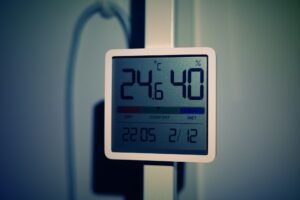
Wireless, cloud-based monitoring flips the script. Sensors watch temperatures around the clock, send automatic alerts when something drifts out of range, and build electronic records without anyone hunting for a pen. Instead of guessing what happened yesterday, you see real-time data and clear history that lines up with food safety rules.
Map Your Requirements Before You Buy Anything
Before choosing any wireless system, take time to map what you really need it to do. Start by listing your critical control points across the cold and hot chain, such as:
- Walk-in coolers and freezers
- Line and prep coolers
- Hot holding units
- Blast chillers
- Transport vehicles
- Receiving docks and staging areas
Next, line those locations up with your food safety and customer expectations. In practice, that means confirming how the system supports FDA Food Code requirements, your HACCP plan and written critical limits, GFSI or other third-party audit standards, and any corporate QA rules or franchise guidelines you must follow.
You also need to look at your setup and limits so the system fits. Consider the number of sites and how spread out they are, your Wi-Fi coverage or other network options, whether you have power outlets near equipment you want to monitor, the temperature ranges for coolers, freezers, and hot holding, and how long you must keep records for audits. A little planning here helps you size the right wireless system and avoid surprises later.
Build a Practical SOP for Wireless Food Temperature Monitoring
A wireless system does not replace your food safety program; it supports it. That means you need a clear SOP that explains how it fits into daily work and removes ambiguity when an alert comes in.
Translate your current paper process into a simple written plan that covers the core operating decisions:
- Who reviews dashboards and who responds to alerts
- Alert thresholds and how they match your critical limits
- How quickly staff must respond to different alerts
- What corrective actions to take for each type of issue
Make space for normal days and for problems by spelling out how the team is expected to document and escalate issues, and how the hardware is maintained:
- How staff acknowledge alerts and record what they did
- When and how to escalate issues to supervisors or QA
- Sensor maintenance, like battery changes and cleaning
- Calibration checks and how you log them
Do not forget the software side. Staff should know where to go and what to do in the system, including:
- How to open and read the dashboard
- Where to find current readings for each cooler or line
- How to add notes after an incident
- How to pull HACCP-ready reports when inspectors arrive in the summer heat
The goal is simple: if someone is new to the team, they can follow the SOP and handle alerts without guesswork.
Train Your Team for a Smooth, Low-Stress Rollout
Good tools fail without good training. A phased rollout keeps the stress level down, especially during busy warm months, because it lets you refine settings and habits before expanding.
One helpful approach is:
- Start with one high-risk area, like walk-in coolers
- Run a short pilot and gather feedback from staff
- Adjust alert settings, SOP steps, and roles
- Then expand to more units and locations
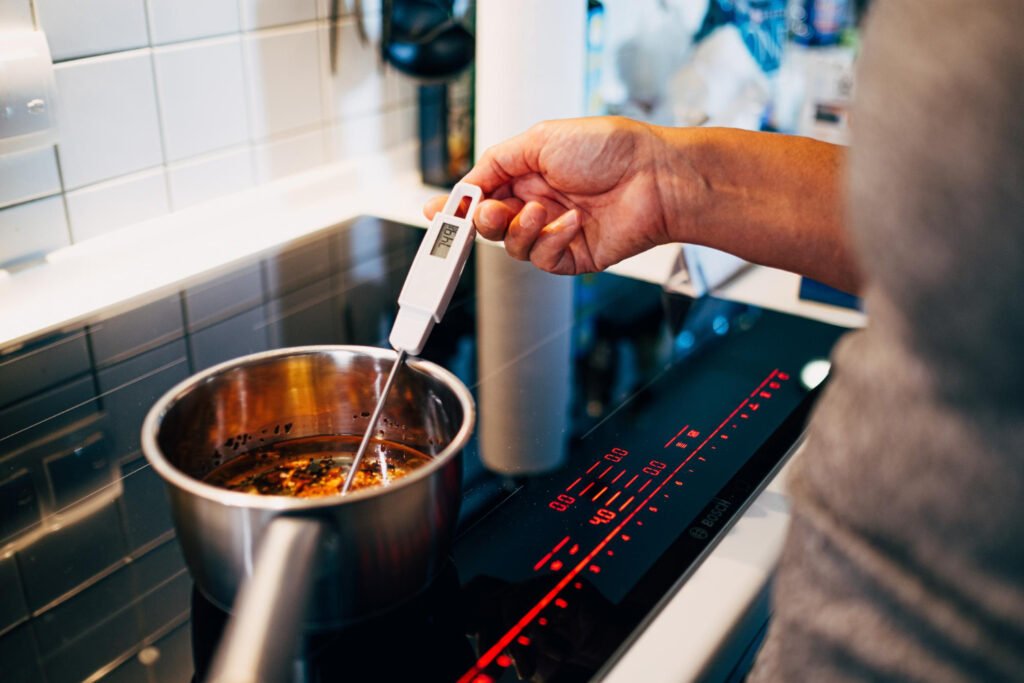
Training should match each role, not just the system as a whole. Frontline staff need to know what an alert looks or sounds like, how quickly they should check the unit, how to verify food temperatures with a handheld thermometer, and how to log actions in the system.
Supervisors should focus on daily or shift-based checks of dashboards, trend review (such as units that run warm in the afternoon), and coaching staff on correct responses. QA or food safety leads should learn how to review data over longer periods, how to check that sensors are in the right place, and how to manage user access and records for audits.
Reinforce new habits by folding them into pre-shift talks and manager checklists. When the team sees that early alerts save product or reduce inspection issues, buy-in usually grows fast.
Update HACCP Documentation and Verification Activities
Once the wireless system is live, your HACCP documents need to match reality. Update your plan so it clearly shows where wireless monitoring is the primary method and where it is a backup.
For each CCP, write down the essentials:
- The device or sensor used
- Exact locations and what product or area it represents
- Critical limits and matching alarm set points
Your recordkeeping and verification sections should now include how electronic data replaces or supports paper logs, how long you store temperature data and alert records, and how often supervisors or QA review those records.
Validation and ongoing verification are key, so document the checks that prove the system is accurate and meaningful in real conditions:
- How you check sensor accuracy against reference thermometers
- How you confirm sensor placement actually reflects product temperature
- How often you repeat those checks
These steps help show inspectors and auditors that your wireless system is not just convenient; it truly supports your food safety plan.
Verify Performance with Data, Audits, and Continuous Improvement
After rollout, the real value comes from how you use the data. Set clear KPIs so you know if the system is doing its job. Common ones include:
- Fewer temperature excursions over time
- Faster response to alerts
- Lower product loss from equipment issues
- Fewer inspection findings related to temperature logs
Create a steady review rhythm so issues do not hide in the background. Many teams benefit from weekly or monthly dashboard checks, reviewing incidents to spot patterns, and seasonal reviews, especially as summer heat raises ambient temperatures. Use those insights to fine-tune alert thresholds, sensor placement, and SOP steps so they match how your kitchens actually run.
When outside auditors or inspectors visit, you can show:
- Historical trend reports for key units
- Alert history and how staff responded
- Calibration and maintenance logs for sensors
- Clear links between the wireless system and your HACCP plan
When food temperature monitoring shifts from chasing paper logs to reading real-time data, you get a calmer, more predictable operation. At Qualified Controls, we focus on helping regulated and quality-focused facilities make that shift with automated, cloud-based environmental monitoring that fits into how your kitchens actually work, especially when the summer heat and volume are at their peak.
Protect Food Safety With Reliable Temperature Monitoring
Consistently keeping food at safe temperatures is critical, and we make it easier with automated, accurate tracking tailored to your operation. Explore how our food temperature monitoring solutions support compliance, reduce waste, and help protect your brand. At Qualified Controls, we work with you to design a monitoring approach that fits your processes and regulatory requirements. Reach out to our team to discuss your needs and move your project forward.