Storing high-value materials in ultra-low freezers is not simple cold storage. When you are working with biologics, vaccines, cell and gene therapies, or clinical trial materials, a small temperature shift can ruin months of work and put future patients at risk. Freezer temperature mapping gives you proof that your equipment is doing what you think it is doing, in real conditions, all day and all night.
In this article, we walk through why mapping matters, how it connects to regulations, and how a smart, risk-based approach protects your inventory before winter storms, power issues, and year-end inspections hit. Our goal is to make freezer temperature mapping feel clear, practical, and worth your time.
Protecting High-Value Inventory in Ultra-Low Freezers
Ultra-low freezers working between about −40°C and −150°C carry a heavy load. They hold sensitive products that may not show any visible change when they are damaged. A box can look fine, yet a short temperature spike may already have weakened the material inside.
Subtle swings in temperature can:
- Reduce potency of biologics and vaccines
- Change the structure of cell and gene therapy materials
- Skew clinical trial results and delay approvals
- Threaten patient safety down the line
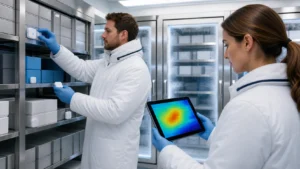
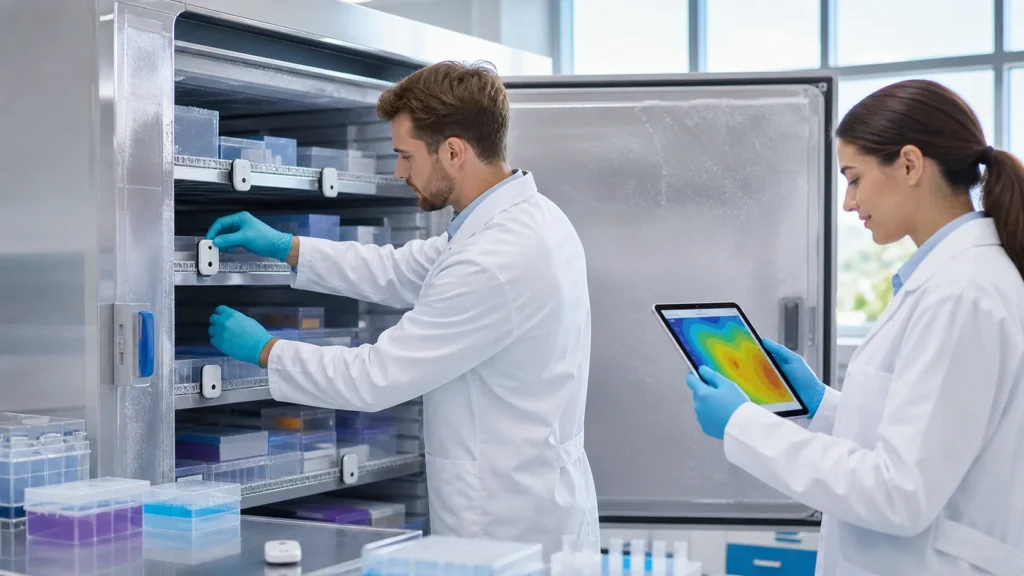
Freezer temperature mapping gives you a data-backed look at how your units really behave. Instead of guessing, you see actual temperatures at many points inside the freezer over time. Doing this work before the busy winter cold-chain season and before sponsors and agencies push to close out the year helps you find weak spots early and protect both product and schedule.
Why Freezer Temperature Mapping Is a Regulatory Must-Have
Health agencies expect controlled storage to be qualified, validated, and checked on a regular basis. Freezer temperature mapping helps support expectations from groups like FDA, EMA, WHO, and ICH for controlled temperature environments.
For teams working under GMP, GDP, or other GxP rules, mapping plays several roles:
- Supports equipment qualification and performance qualification
- Shows that storage meets defined temperature ranges for the product
- Backs up ongoing verification and periodic review of equipment behavior
Biologics makers, specialty pharmacies, 503B facilities, clinical trial sites, and biobanks all feel this pressure. When inspectors or sponsors visit, they want to see clear, organized proof that your storage is under control. Well-written mapping protocols, clean data sets, and clear reports make those conversations shorter and less stressful, especially during Q4 when inspections and audits often stack up.
Designing a Risk-Based Freezer Mapping Strategy
Not every ultra-low freezer has the same risk profile. A unit holding early research samples is not the same as one holding final product for release or material for an active clinical trial. A smart mapping plan starts with understanding where the risk really sits.
Key questions include:
- How many freezers are in scope and what types are they?
- Which products are most sensitive or most valuable?
- How are units loaded, and how often are doors opened?
- What seasonal risks do you face, like storms, utility dips, or heavy snowfall that affects HVAC?
From there, you can define test conditions that match your reality. For example, you may want to include:
- Worst-case ambient conditions, like the coldest or stormiest parts of winter
- Door-opening patterns during busy shifts
- Transitions to backup power
- Typical loading and unloading routines
Risk assessments then guide where to place sensors, how long to run the study, and what acceptance criteria to set. The goal is to focus on the most important failure modes, not just to tick a box on a validation checklist.
How Professional Mapping Reveals Hidden Cold-Chain Risks
A professional freezer temperature mapping study is much more than dropping a few loggers into an empty unit. It usually includes protocol development, selection of calibrated sensors, a structured mapping layout, controlled execution, and detailed data analysis.
Done well, mapping can uncover issues that standard daily checks never show, such as:
- Warm spots near the door or at certain shelves
- Cold spots that push product below the intended range
- The impact of shelving style, racks, and load density
- Door gasket leaks that slowly pull in warm, moist air
- Reduced airflow from fan problems or heavy frost buildup
- Shifts in performance as ambient conditions change with the season
The real value comes from turning this data into action. That might mean:
- Adjusting setpoints to keep product safely within range
- Reconfiguring loads or shelving to improve airflow
- Moving product probes to true worst-case locations
- Updating maintenance plans for defrosting, gasket checks, and fan inspections
These steps help stretch the life of your freezers and, more important, protect the materials that keep your pipeline and patient programs moving.
Connecting Mapping to Continuous Monitoring and Alerts
Temperature mapping is a snapshot, not a full story. Once you know how a freezer behaves, you still need continuous monitoring to make sure it stays within limits every day. This is where we connect mapping results to our automated, real-time environmental monitoring systems at Qualified Controls.
By using validated wireless sensors placed in proven worst-case points from the mapping study, ongoing monitoring reflects the real risk to product, not just the center of the chamber. This alignment helps your alarms mean something. When a sensor alerts, you know it is sitting in a location that truly represents the most stressed product.
With cloud software, you gain:
- Real-time alerts for temperature, humidity, and pressure events
- Audit-ready reports that show trends and responses
- Analytics that help you spot early signs of equipment fatigue
This is especially helpful during winter, when power events, storm damage, and building temperature swings are more common. A mapped and monitored freezer fleet is much easier to defend during an unexpected visit from a regulator or sponsor.
Why Partnering with Qualified Controls Delivers Long-Term Value
At Qualified Controls, we focus on joining freezer temperature mapping, validation support, and 24/7 environmental monitoring into one consistent program. Our goal is not just a clean report, but a storage setup that holds up under stress, inspection, and time.
For quality and operations leaders, this approach supports:
- Fewer surprises during audits and sponsor reviews
- Lower risk of product loss and study delays
- Smoother regulatory submissions tied to clear, solid data
- More confidence that ultra-low storage can handle new trials and production growth through winter and into the next year
Bringing mapping, continuous monitoring, and maintenance planning together helps you move from reactive fire-fighting to a calm, strategic way of managing cold storage. That kind of control is what keeps critical products safe, supports patient-focused work, and lets your teams sleep better when the snow, power flickers, and inspections start to stack up.
Protect Your Cold Chain With Expert Freezer Temperature Mapping
If you are responsible for critical cold storage, now is the time to put a compliant strategy in place. At Qualified Controls, we provide validated freezer temperature mapping that helps you identify risk points before they affect product quality. Our team works with your space, your regulations, and your audit expectations so you get reliable data and clear documentation. Reach out today so we can help you build a temperature monitoring approach that stands up to real-world conditions.