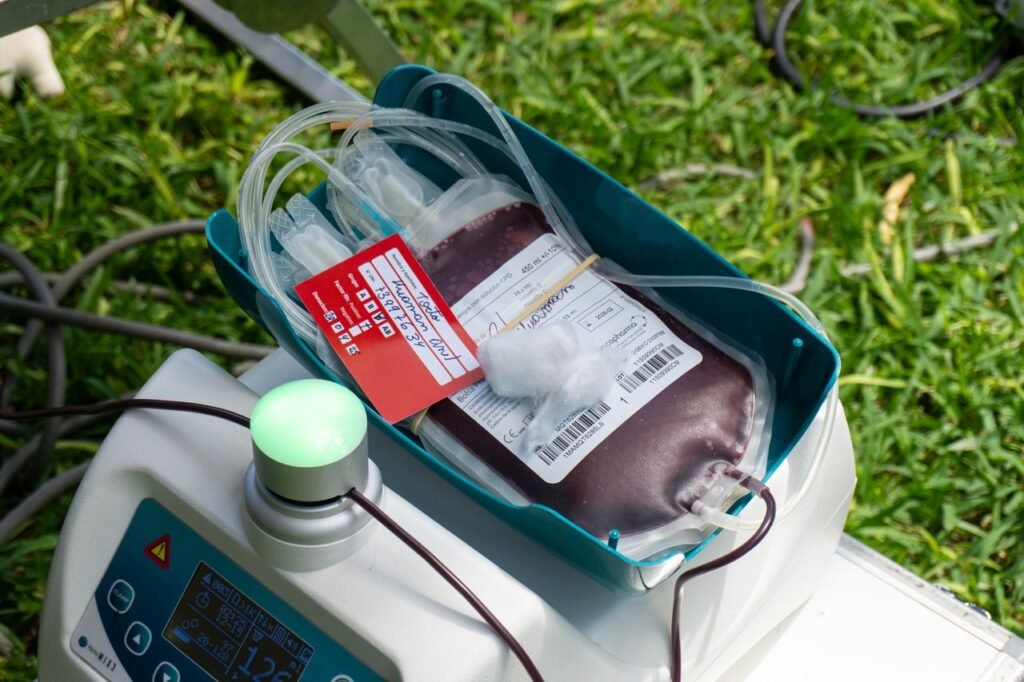
Blood banks cannot afford guesswork. Every bag you store has a patient on the other side of it, and every degree out of range raises risk. When summer heat hits hard, AC loads spike, and power flickers, weak monitoring plans show up fast in product loss, staff stress, and painful inspection findings.
In this guide, we walk through a practical blood bank compliance checklist that lines up with AABB, FDA, and CAP expectations. We focus on what matters most for a strong blood storage monitoring system: temperature and environment controls, alarms and response, calibration and mapping, and clean documentation. At the end, you will have a gap-assessment structure you can apply right away to see where you stand before the next heat wave or survey.
Stop Blood Product Loss with a Bulletproof Monitoring Plan
When a fridge drifts warm overnight or a freezer fails on a holiday, you are not just losing units, you are losing trust and time. Summer only makes this tougher, with higher room temperatures and more stress on HVAC and backup power.
AABB, FDA, and CAP all expect safe, controlled storage, but the exact language and details do not always match. That is where confusion starts. Common weak spots include:
- Different alarm limits on similar units
- Inconsistent documentation of alarm response
- Calibration that is done but not clearly tied to each sensor
- Manual chart checks that are easy to miss
A unified blood storage monitoring system pulls these pieces together. It can watch every critical point in real time, send alerts, and create records that line up with what surveyors want to see. To help, we also share a gap-assessment template structure you can adapt so you can quickly spot your biggest risks and summer-readiness issues.
Core Temperature and Environment Controls You Must Nail
Regulators expect tight control of storage temperatures based on product type. While each standard uses slightly different wording, the themes are the same: defined ranges, documented limits, and proof you are staying in control.
Your checklist here should cover:
- Red cell refrigerators with defined low and high limits
- Plasma and cryo freezers with continuous monitoring
- Platelet incubators and agitators with alarms on both device and room issues
- Reagent and QC material storage that supports test accuracy
Temperature is only part of the story. Environmental factors can also disturb blood integrity and process reliability, such as:
- Room humidity in processing or storage areas
- Differential pressure between clean and less clean zones
- Backup power coverage for all critical devices and monitoring
A networked blood storage monitoring system can track these values across rooms, walk-ins, and equipment. With time-stamped readings and automated records, you cut down on manual logging and hard-to-read paper charts. This helps limit human error and makes it easier to spot slow drifts before they become reportable events.
Alarm Design, Response, and Escalation That Satisfy Surveyors
For fridges, freezers, platelet incubators, and transport units, AABB, FDA, and CAP all expect alarms that actually protect product, not just make noise. That means clear limits, planned testing, and fail-safe design.
Your alarm design checklist should include:
- Defined high and low alarm setpoints that match product requirements
- Proof that alarms are tested at regular intervals
- Both local and remote notifications so an alarm is never missed
- Backup or redundant alerts if a primary path fails
Surveyors want to see that alarms are not random. They look for written details and real examples:
- Current setpoints and who approved them
- Logs of alarm drills or tests and outcomes
- Target response times and how they are measured
- Escalation tiers, like primary staff, on-call lead, then leadership
Modern blood storage monitoring system software can simplify this. It can trigger alerts by email or text, follow on-call schedules, and record every step in an electronic event log. Trend dashboards then show if a unit has frequent minor excursions, pointing to deeper issues before they turn into major deviations.
Calibration, Mapping, and Sensor Qualification Made Manageable
AABB, FDA, and CAP all point to the need for calibrated equipment, traceable standards, and documented qualification. For monitoring devices and probes, that translates to:
- Defined calibration intervals based on manufacturer and policy
- Traceability of reference standards to national standards
- IQ, OQ, and PQ steps for new or changed equipment
Summer heat, heavy HVAC load, and layout changes can shift how cold and hot air move inside units and rooms. That is why temperature mapping and requalification are key after:
- Major repairs to a fridge, freezer, or room
- Moving a unit to a new location
- HVAC changes that affect air flow or room temperature patterns
A centralized monitoring platform can track each probe’s calibration due date, store certificates, and flag overdue devices. When calibration is linked directly to the live data stream, you can show surveyors that every data point came from a qualified sensor at the time it was recorded.
Documentation, Data Integrity, and Audit-Ready Reporting
Regulators do not just want to hear that you are in control, they want to see it. That means clear, consistent documentation for:
- Continuous temperature and environment records
- Alarm events and how staff responded
- Corrective and preventive actions for deviations
- Calibration history and equipment qualification
- Controlled SOPs that define who does what and how
For electronic systems, ALCOA+ principles help guide data integrity. Records should be attributable, legible, contemporaneous, original, accurate, and also complete, consistent, enduring, and available. That points to:
- Secure user access and unique logins
- Managed changes with audit trails
- Electronic review, approval, and sign-off
- Defined data retention and backup rules
When your monitoring platform pulls this together, survey prep becomes much easier. You can build reports by device, room, time frame, or event type. You can quickly show deviation summaries and export data sets that map directly to AABB, FDA, and CAP questions.
Use This Gap-Assessment Template to Upgrade Fast
To turn all of this into action, a simple gap-assessment checklist can help you see where you stand. Divide it into five domains:
- Storage and Environmental Controls
- Alarms and Response
- Calibration and Qualification
- Documentation and Data Integrity
- Training and Competency
For each item, mark yourself as Compliant, Partial, Noncompliant, or Not Applicable. Then add a risk level, such as high, medium, or low. This makes it easier to prioritize fixes before the next inspection or the next stretch of extreme heat.
At Qualified Controls, we build blood storage monitoring system solutions that support this kind of structured review. A good template ties each checklist line to a specific regulatory expectation and also shows where automation can close gaps quickly, from missed alarm follow-up to overdue calibrations. The goal is simple: protect every unit, protect every patient, and give your team calm confidence when the power blips, the temperature climbs, or the surveyor walks through the door.
Protect Your Blood Inventory With Reliable, Real-Time Monitoring
A robust blood storage monitoring system helps you protect every unit, reduce manual checks, and stay compliant with regulatory requirements. At Qualified Controls, we work with you to design and implement monitoring solutions tailored to your lab, hospital, or blood bank. Reach out to our team today so we can review your current setup and outline a clear path to stronger oversight and fewer temperature-related risks.