Spec Sheets, User Guides, Technical Support in one place.
Tech specs, hardware manuals, and software admin guides for every QC platform.
MySirius Software
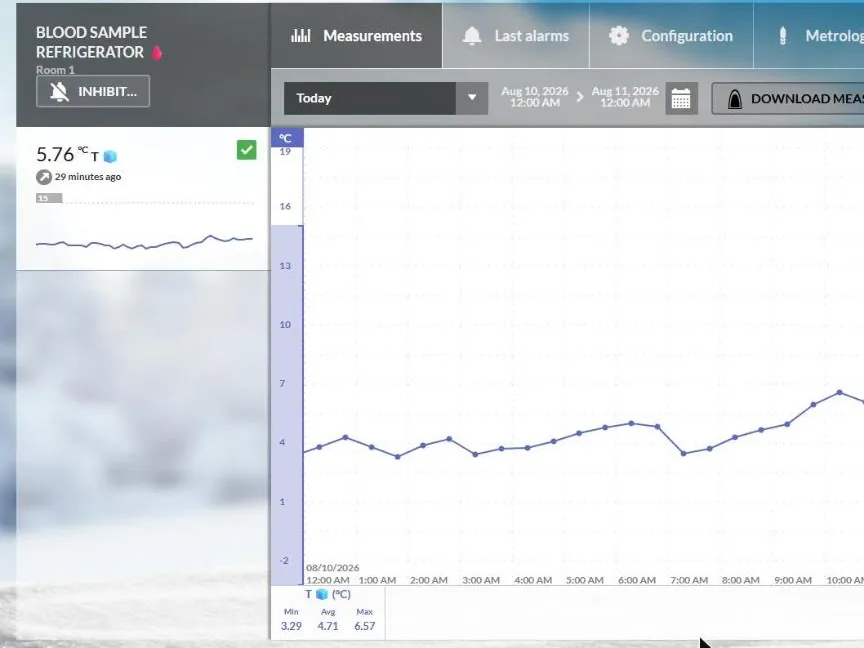
Day-to-day operation: reading the fleet, treating alarms, analysis and archives, reporting and the audit trail.
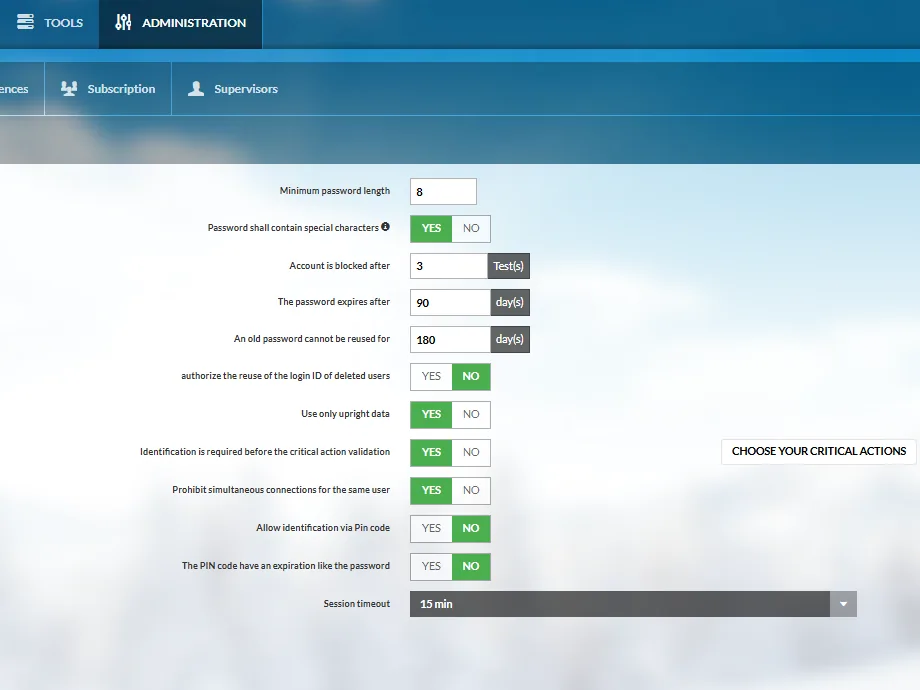
Declaring devices, creating monitored units and batches, thresholds and escalation, users, profiles and rights.
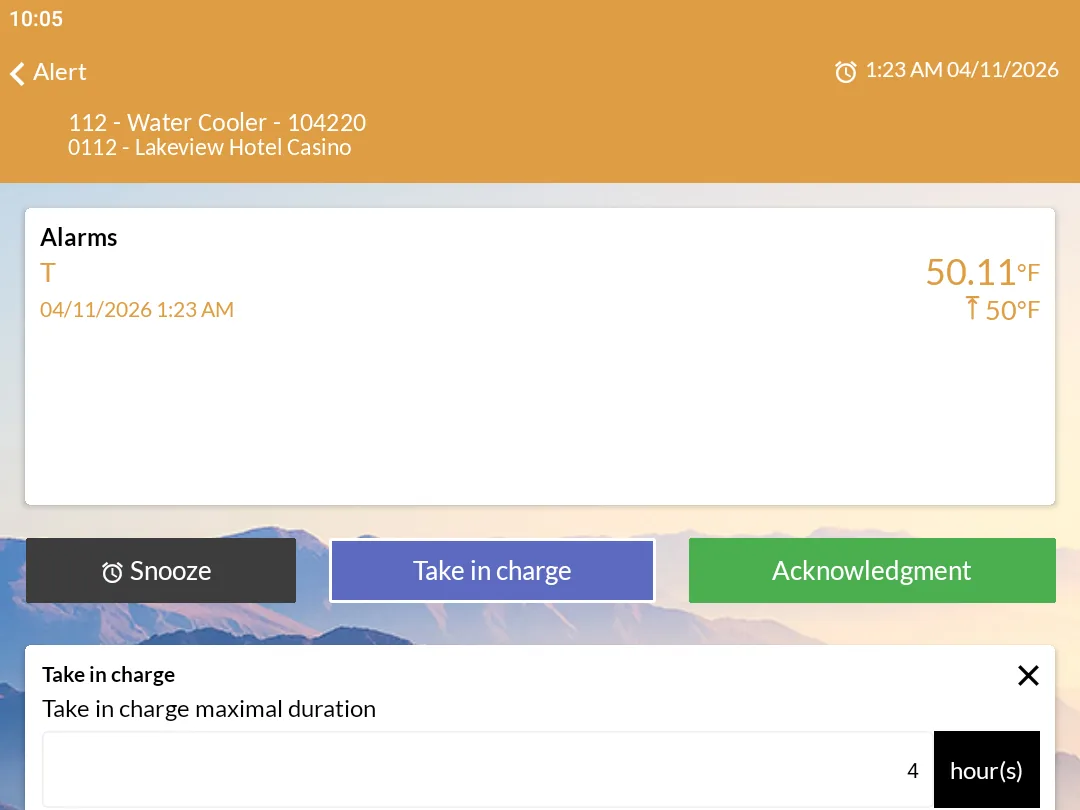
On-call alarm response from a phone: notifications, device search, dashboards, snooze, take in charge, acknowledge.
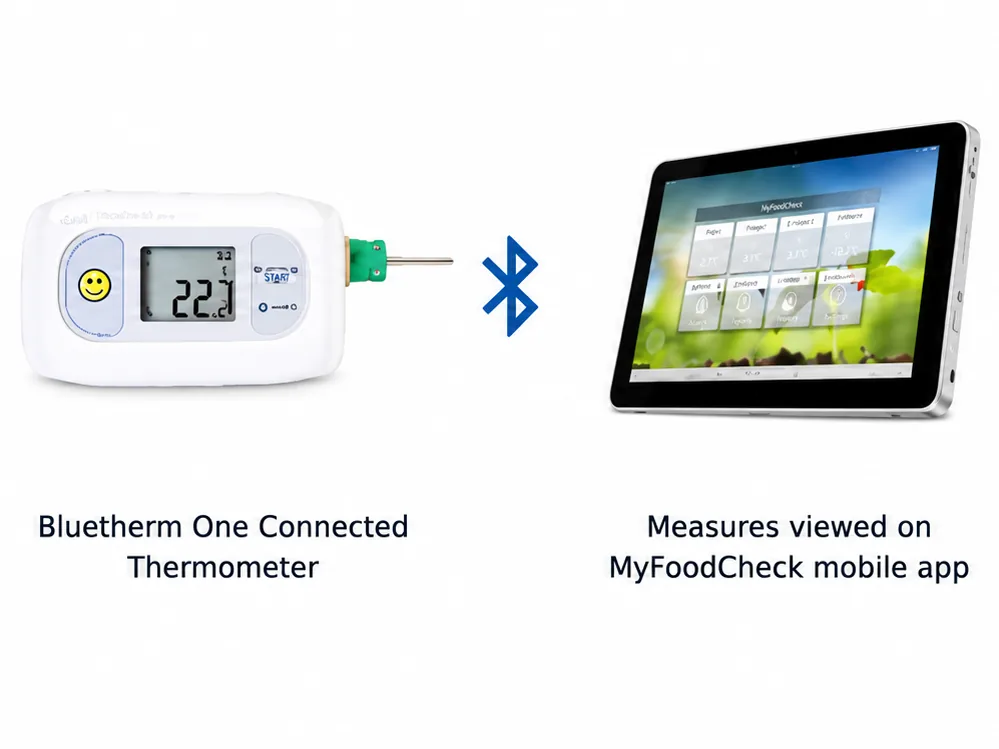
HACCP food-safety controls: module setup, checklists, Bluetooth probe measurement and daily validation.
LoRa SPY Sensors
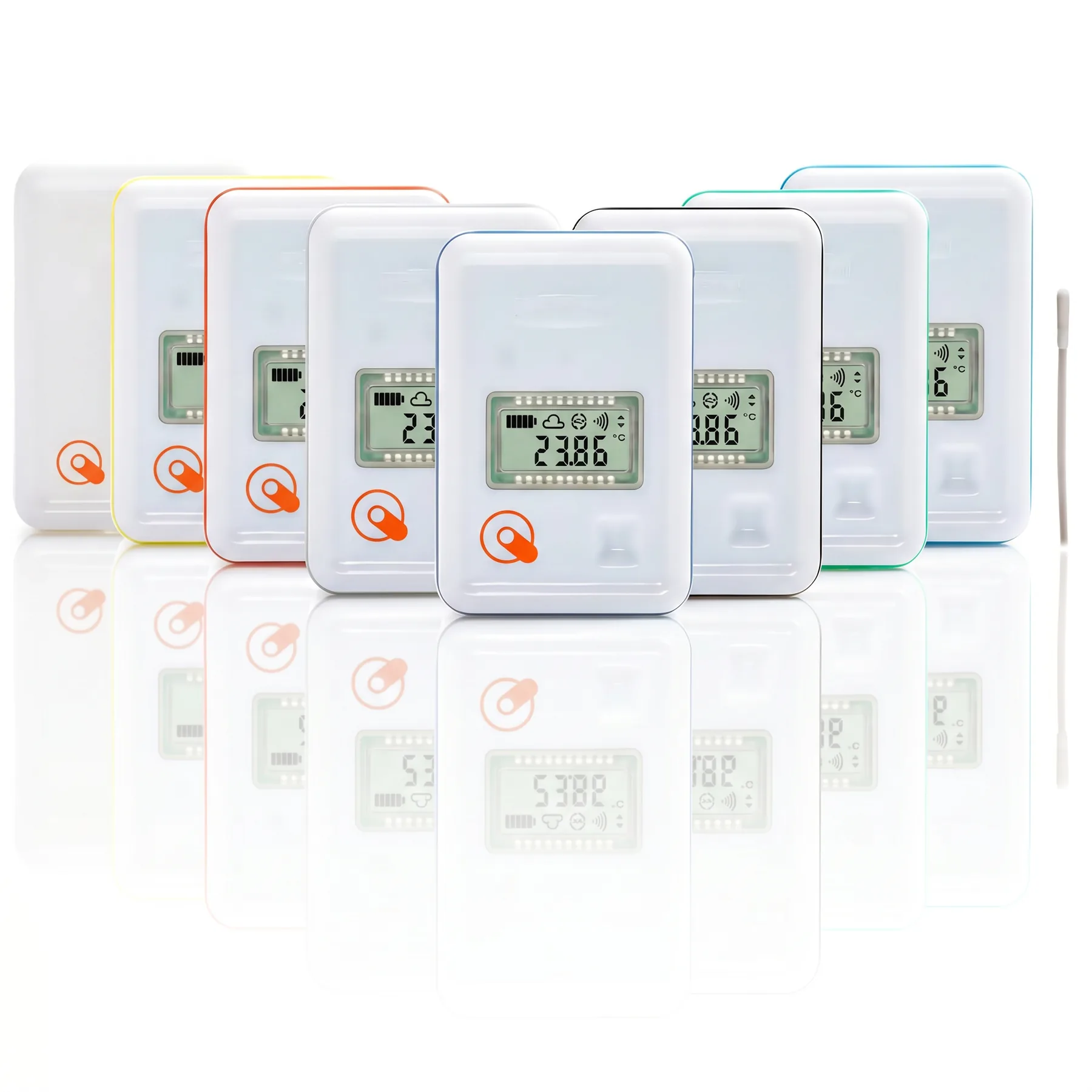
Activation, mounting, battery replacement and LCD reference for every LoRa SPY variant — T0 through Digital and U.
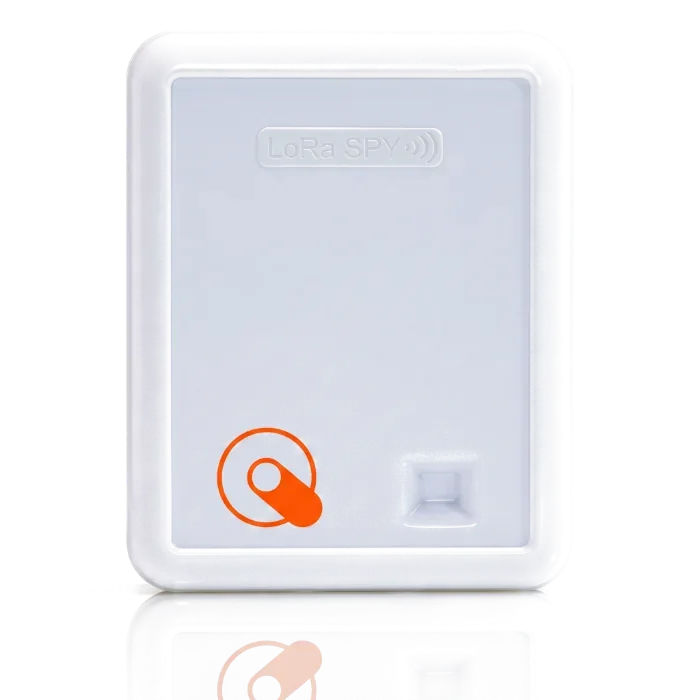
Internal PT100 ambient temperature recorder. -35 °C to +85 °C, ±0.5 °C accuracy.
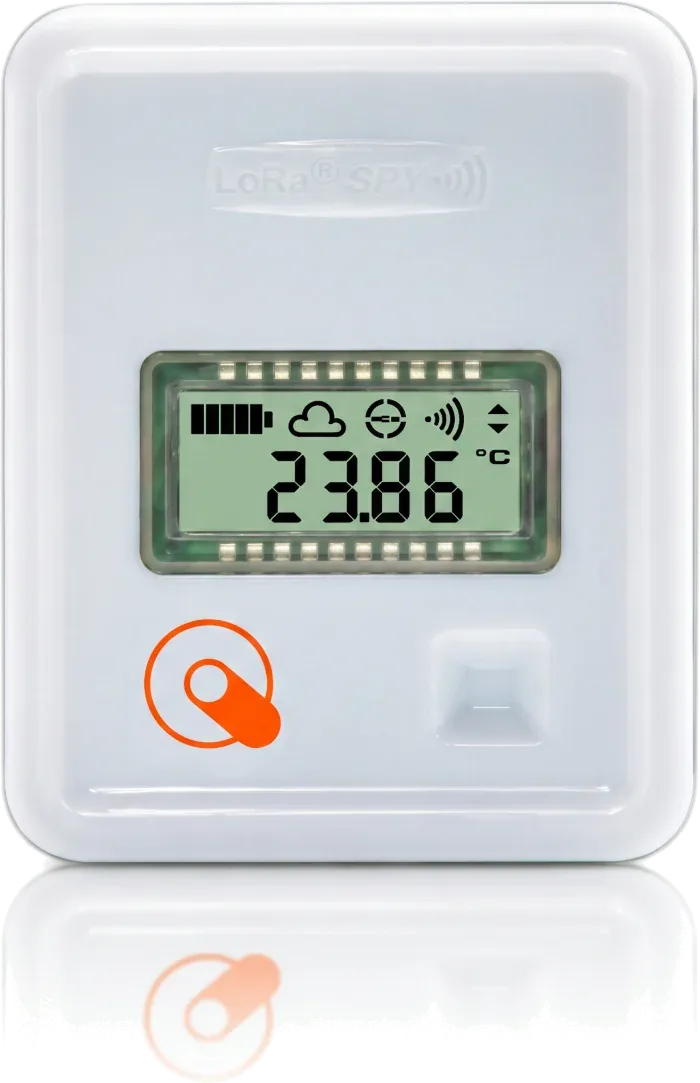
Temperature with integrated light sensor for door-opening events. Grey ID ring.
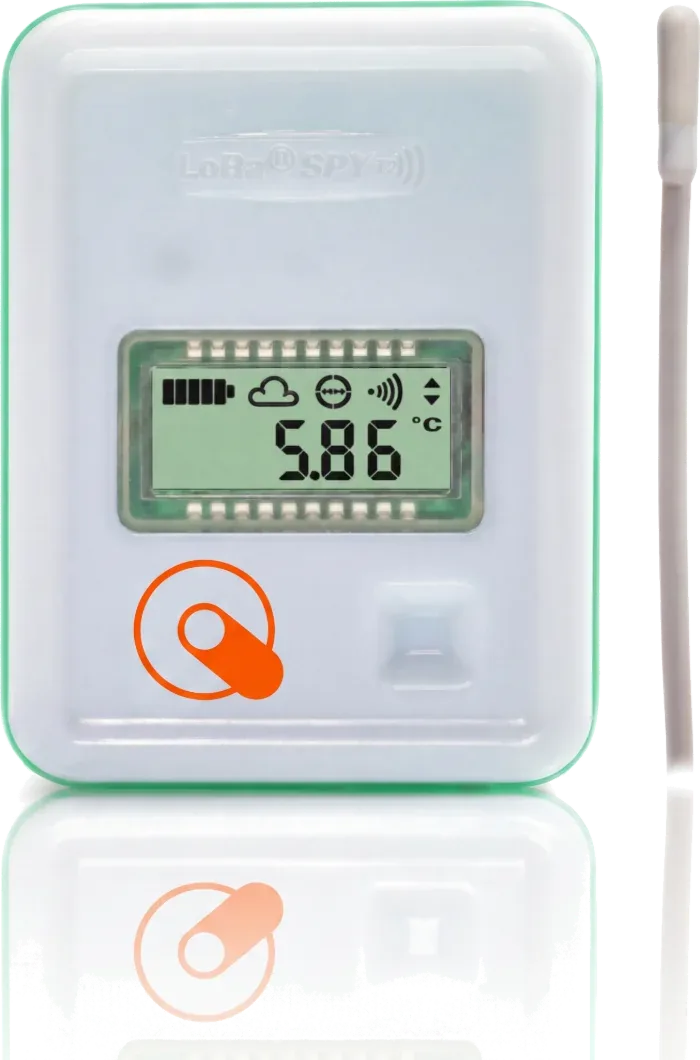
External probe (30 cm or 3 m). Refrigerator, freezer and incubator variants. -50 °C to +105 °C.
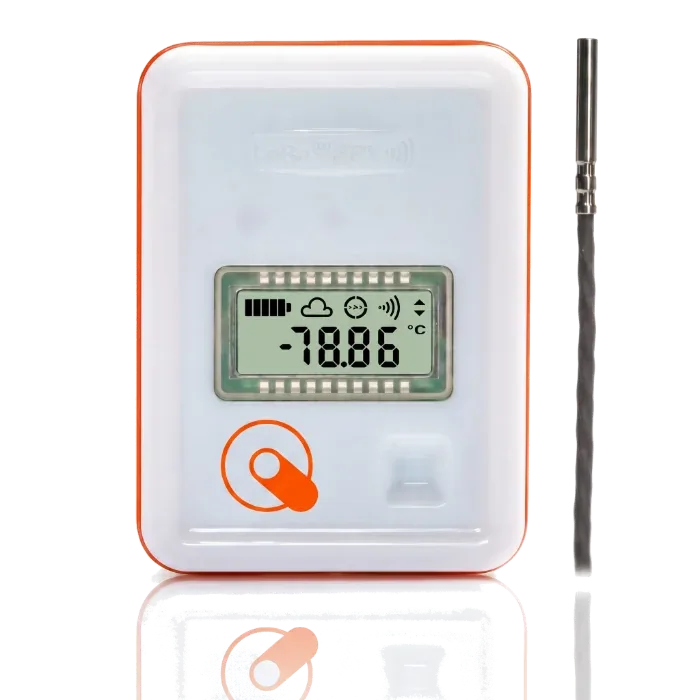
Ultra-low temperature monitoring (-200 °C to 0 °C). Teflon cable for ULT freezers and cryogenic storage.
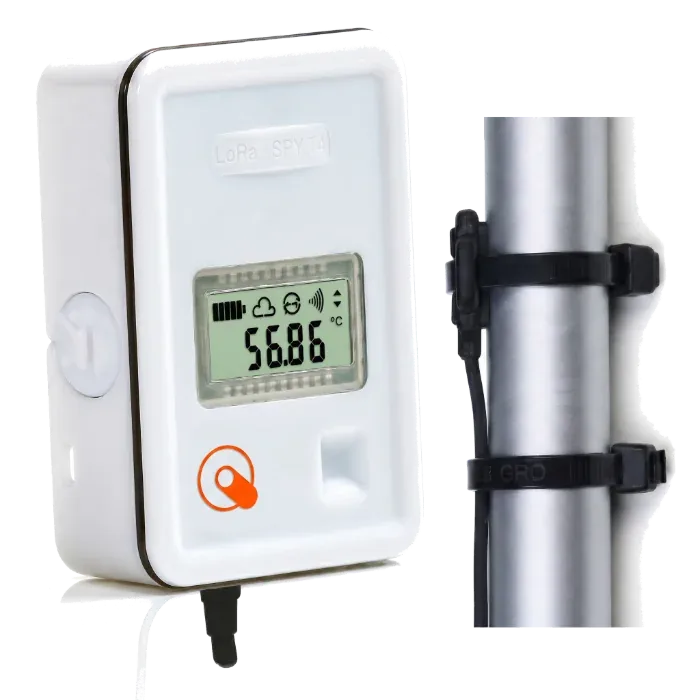
Pipe surface temperature with PT100 strap probe. -40 °C to +85 °C. 2 m cable, black ID ring.
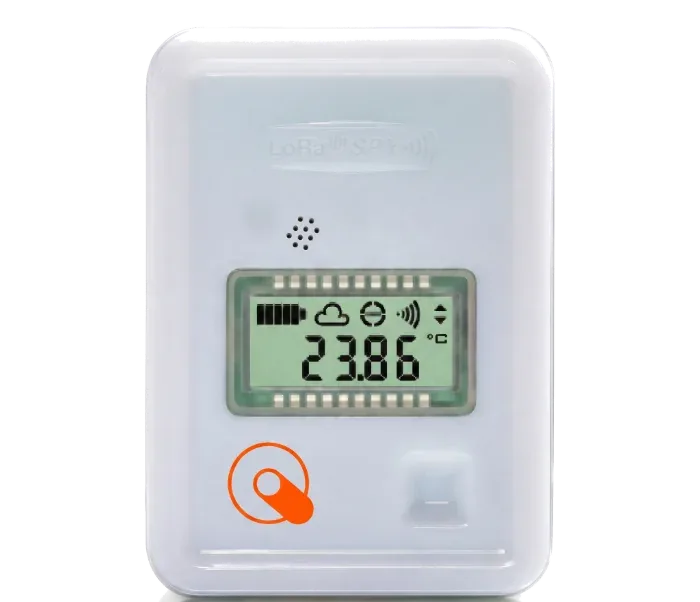
Combined temperature + humidity (Sensirion SHT25). -30 °C to +70 °C, 0–100 % RH.
Removable smart probe carrying its own calibration coefficients — recalibration becomes a probe exchange. One recorder for T or TH duty.
Universal input. PT100, 4–20 mA, 0–1 V, counting and dry contact for legacy or third-party sensors.
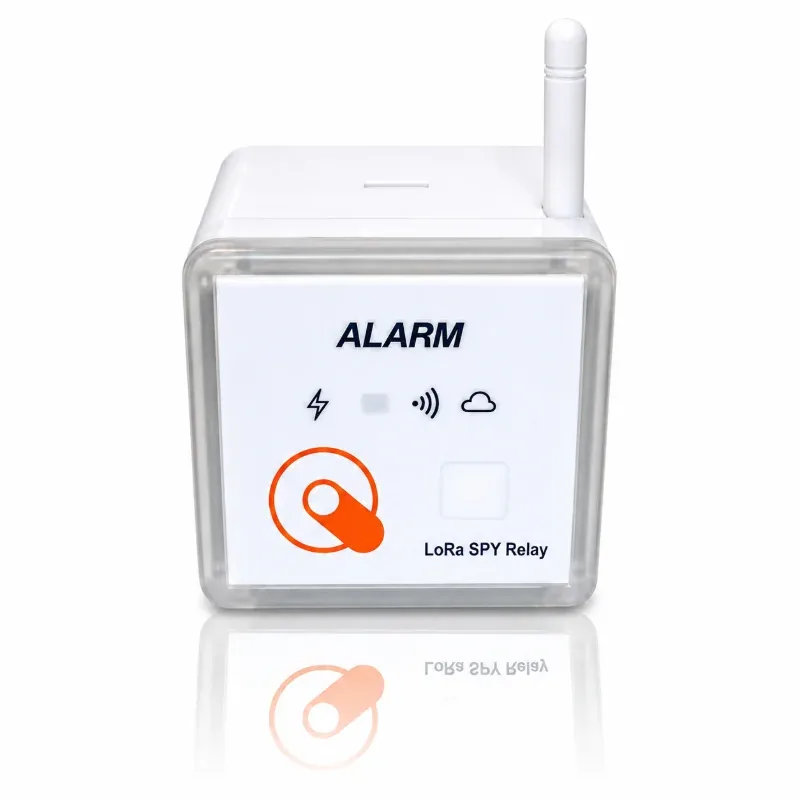
Local audible and visual alert module that also extends LoRa network reach. 1 to 10 minute alert response.
Installation, configuration and day-to-day operation of the LoRa SPY Alarm on-site alert module.
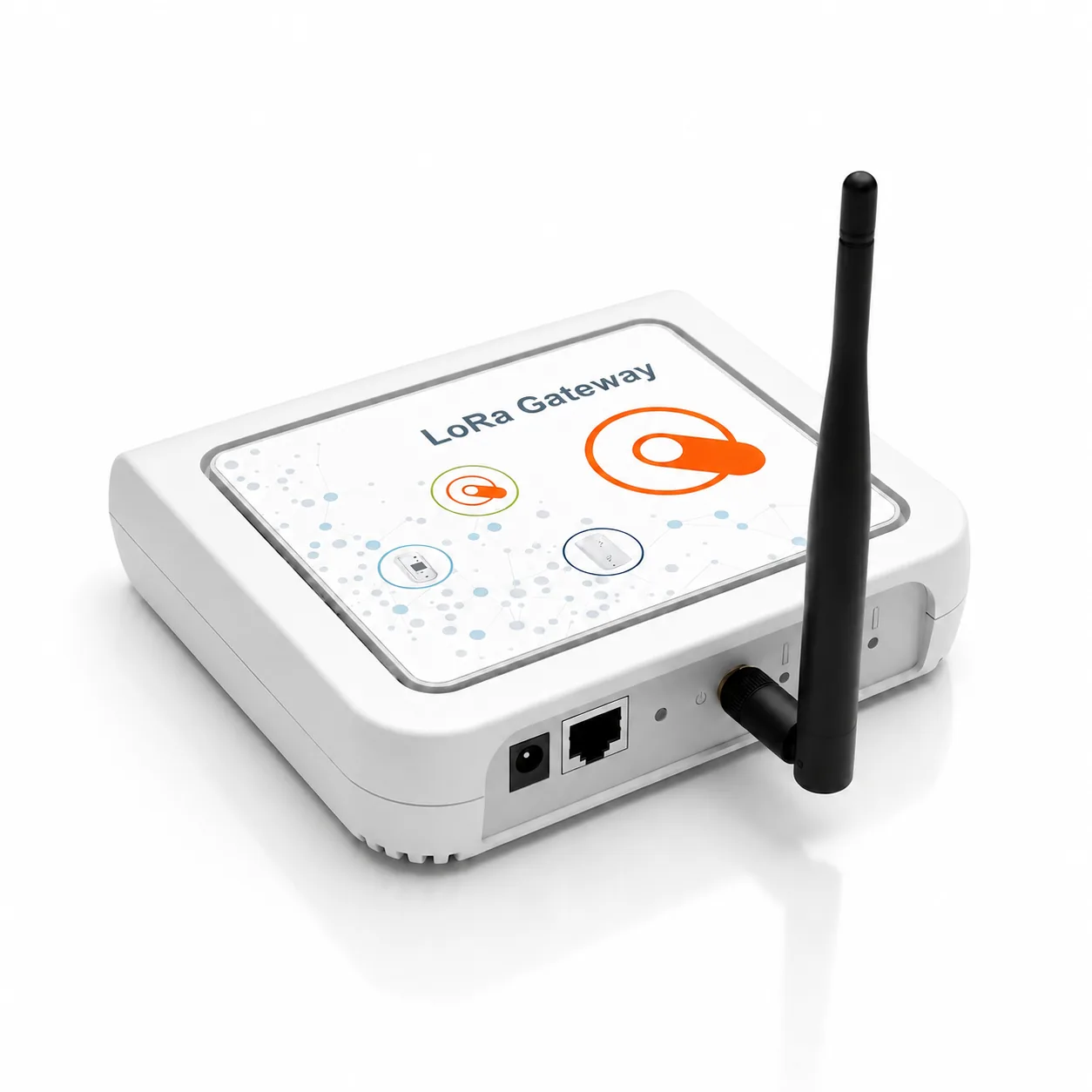
RF coverage, power, network architecture and Ethernet/4G backhaul options for the QC LoRa gateway.
Installation, configuration, Node-RED setup and MySirius integration for the LoRa Gateway (PN 12706–12709).
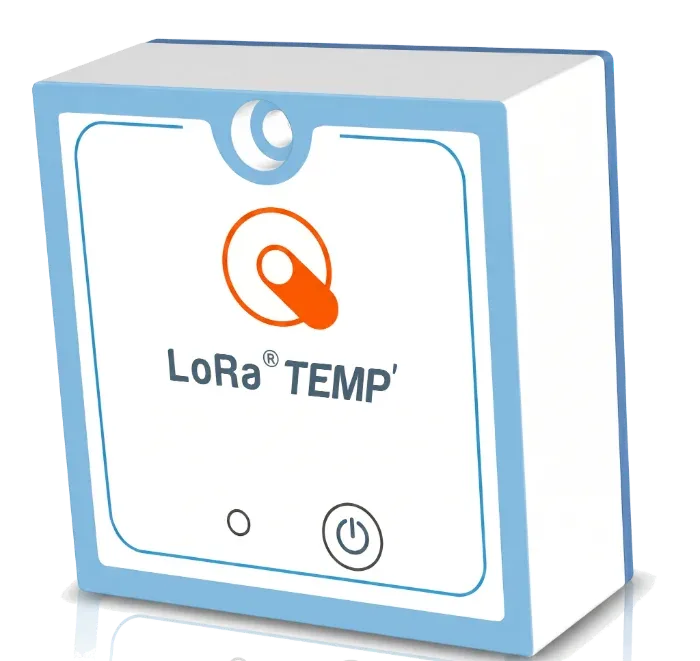
Economical EN 13485 Class 1 indicator for cold chain retail and catering. 5–8 yr battery life.
Nano SPY Sensors
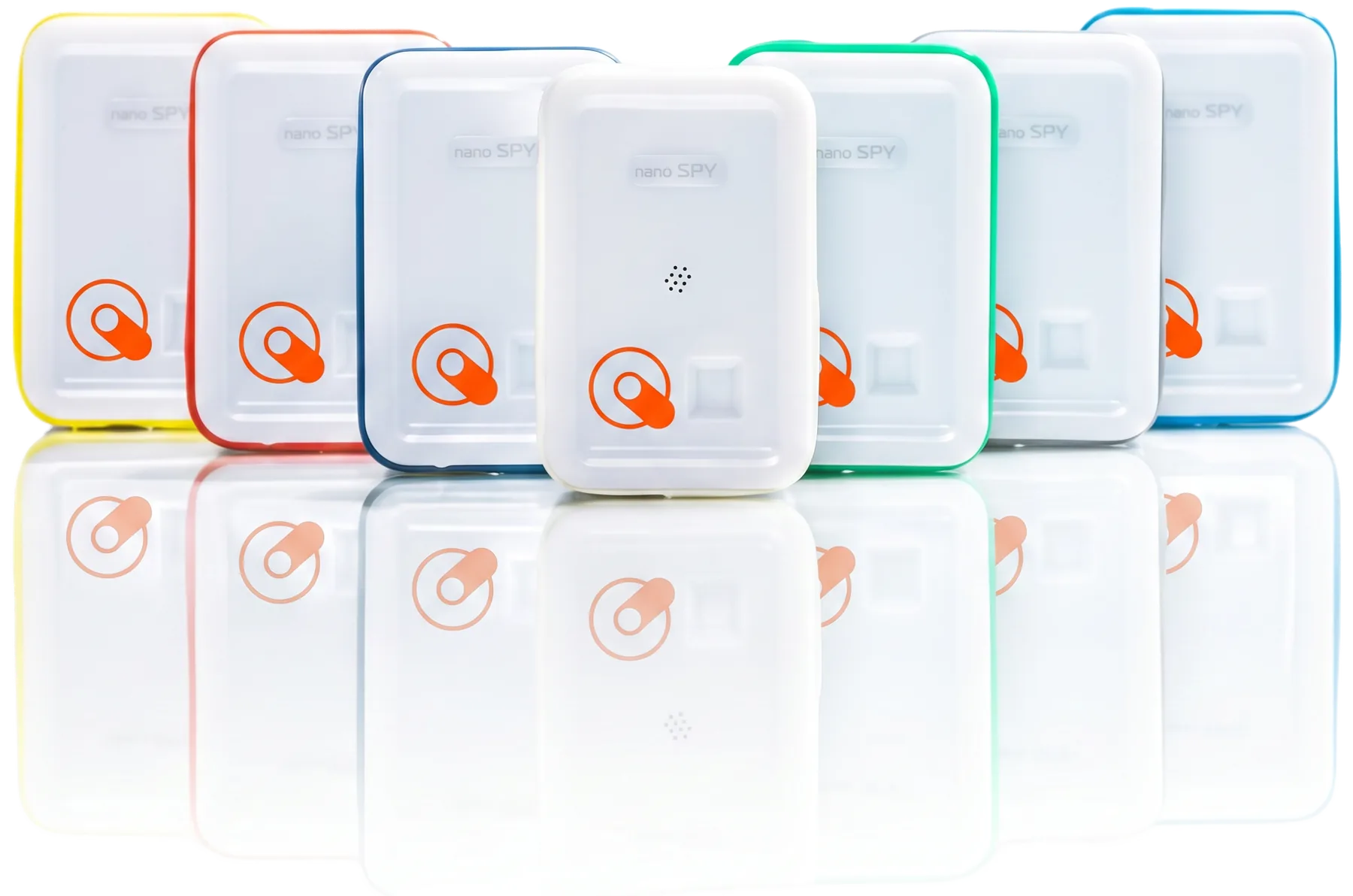
Installation, activation, mounting, MySirius pairing and battery replacement for every Nano SPY variant.
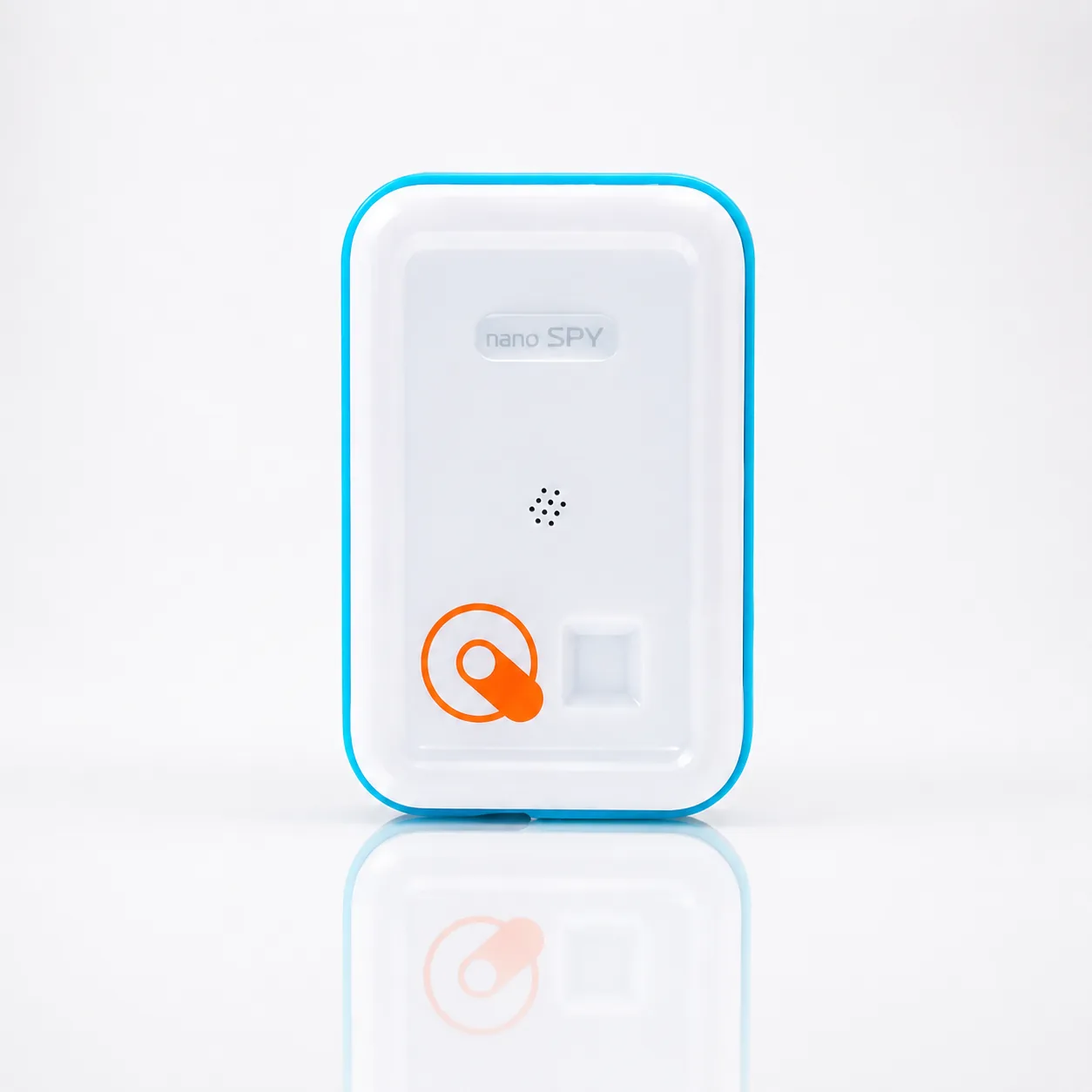
Integrated PT100 transmitter for in-chamber use. -40 °C to +85 °C, ±0.3 °C, IP68. Part 11567.
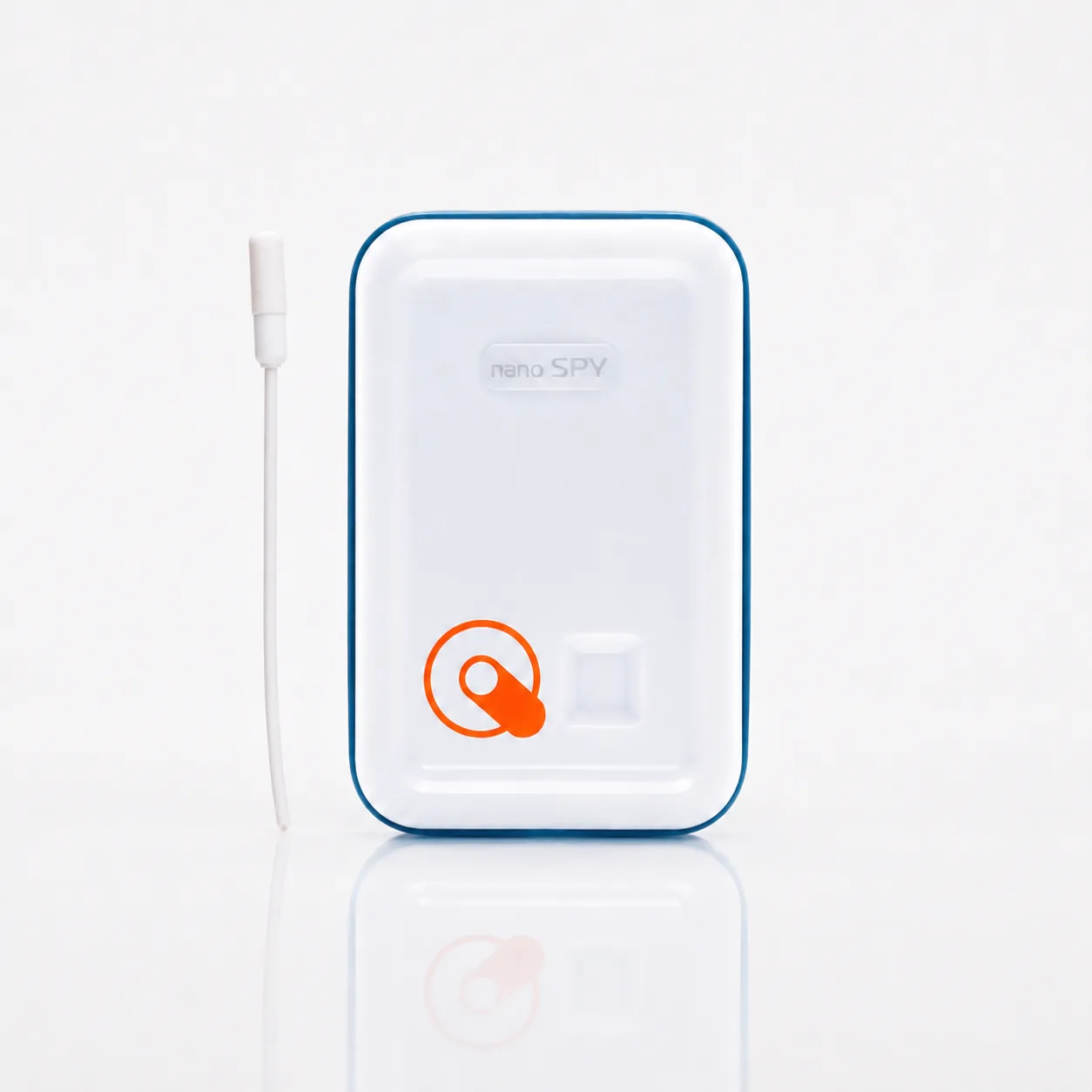
External PT100 probe, 30 cm / 3 m / 8 m cable. -50 °C to +105 °C, ±0.2 °C, IP65. Part 11569.
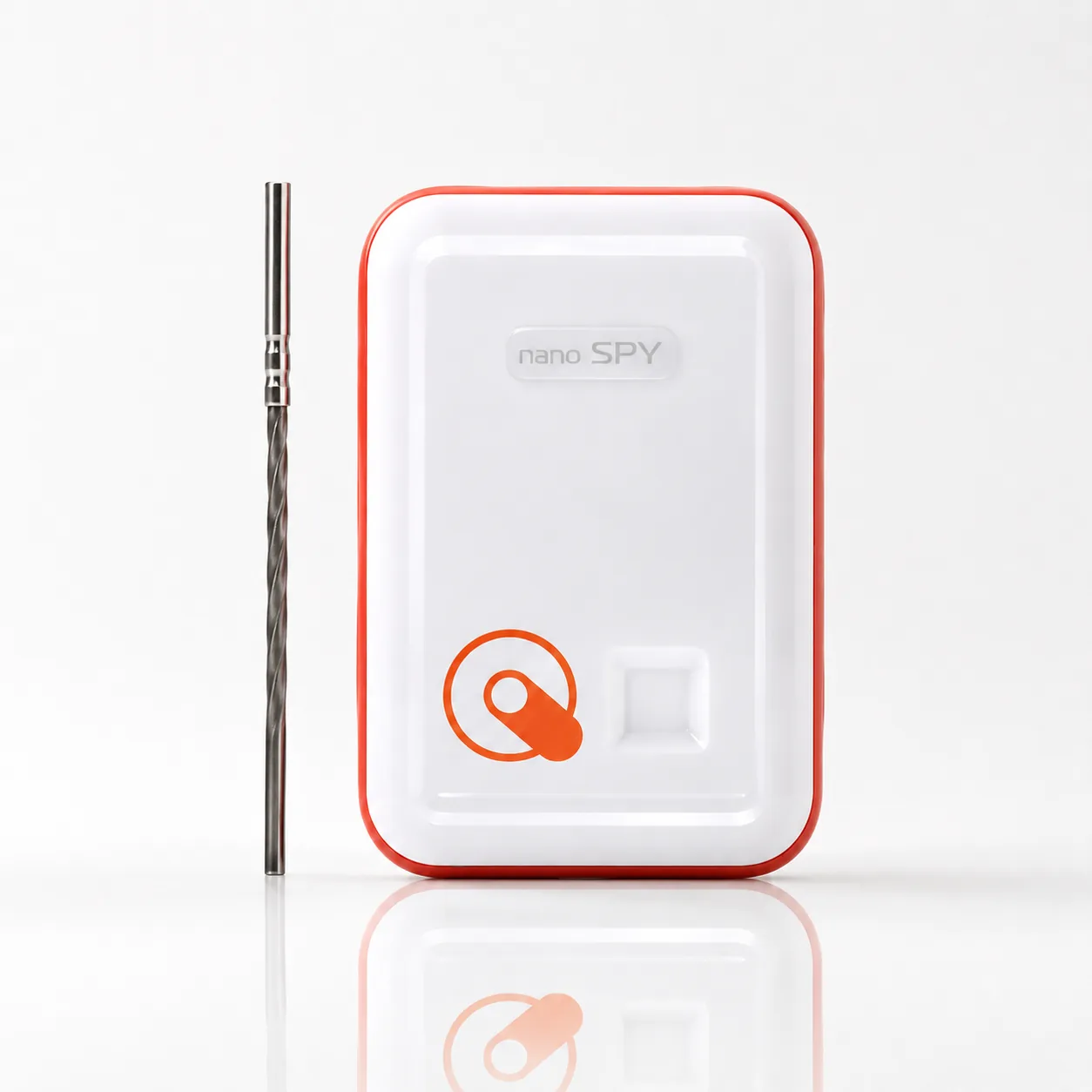
Extreme-range stainless PT100 probe. Low version -200 °C to 0 °C, High version 0 °C to +200 °C. Part 11693.
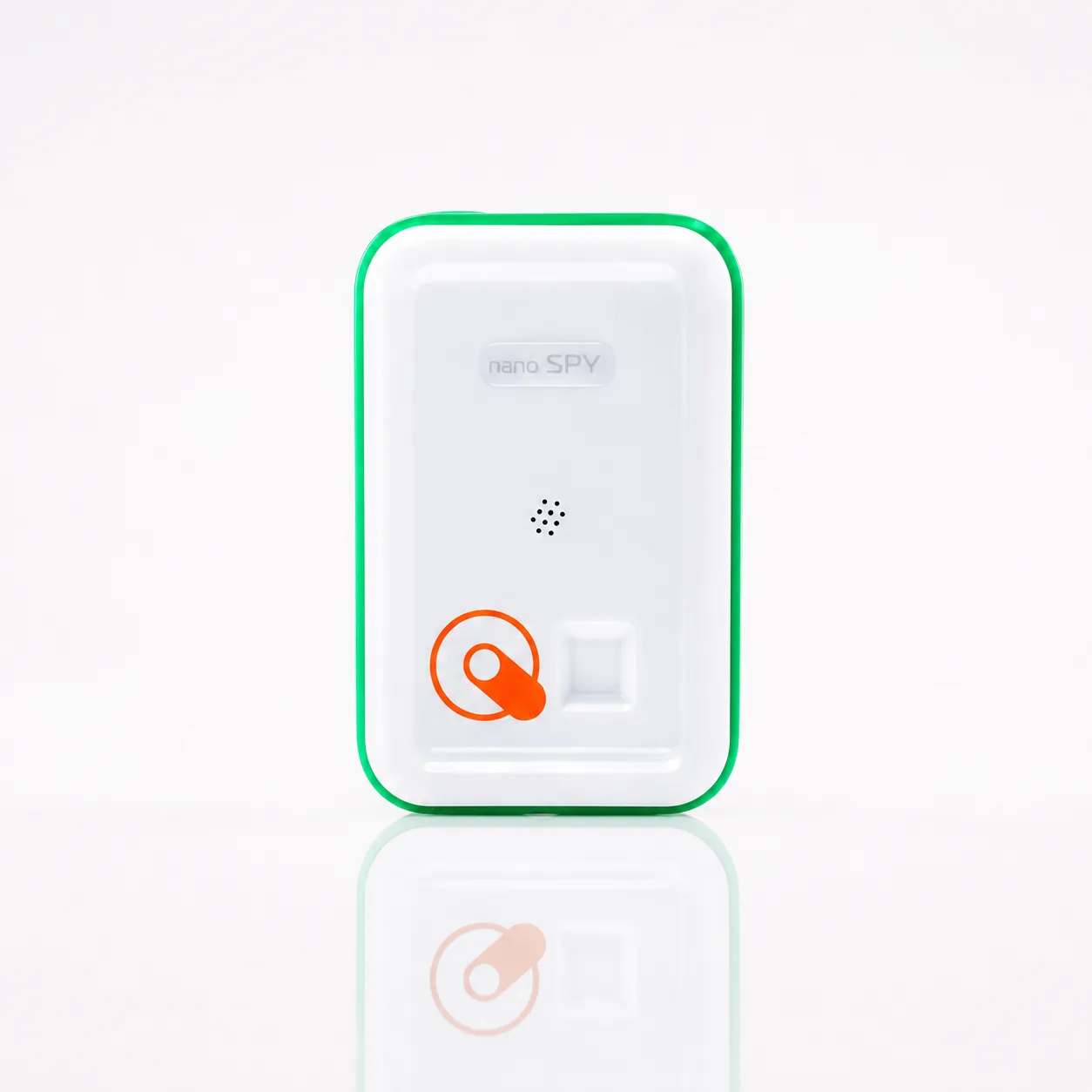
Integrated temperature and relative humidity transmitter. -30 °C to +70 °C, 0–100 % RH. Part 11568.
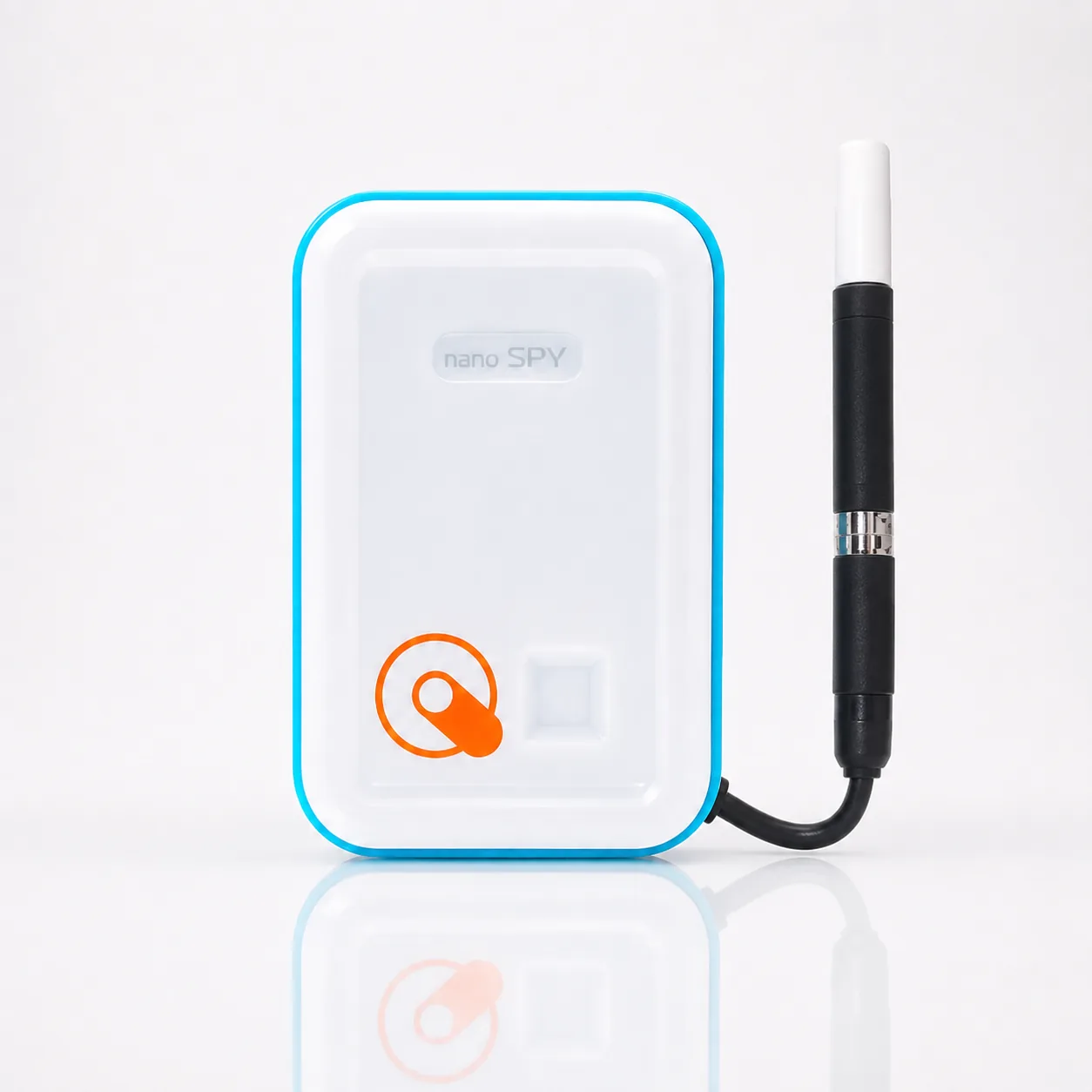
PT 1000 class 1/3 B with HYGROMER HT-1 on a 2 m probe cable. -40 °C to +85 °C, 0–100 % RH. Part 13240.
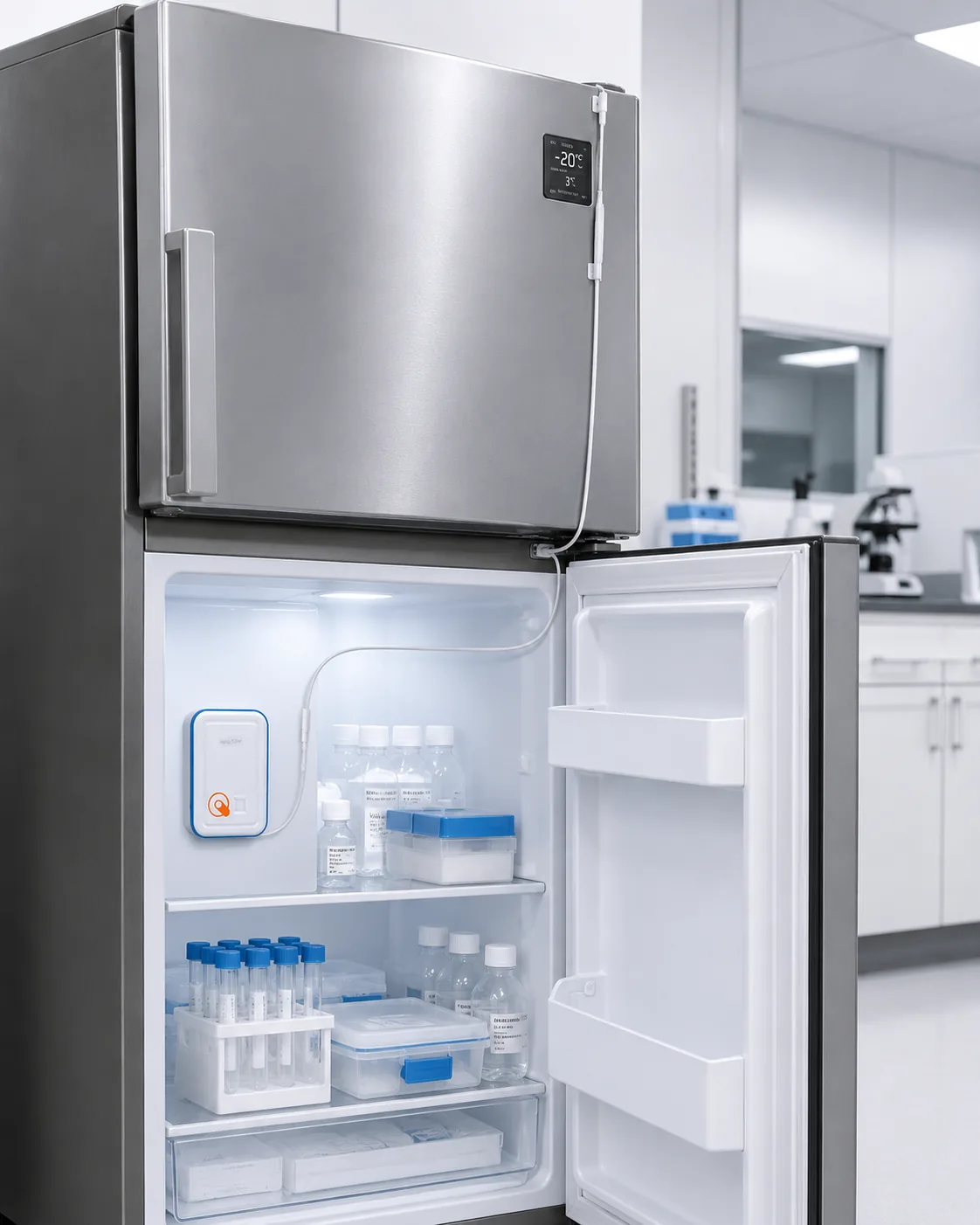
Dual-channel transmitter: internal sensor plus 3 m external PT100 probe, individually alarmed. Part 11541.
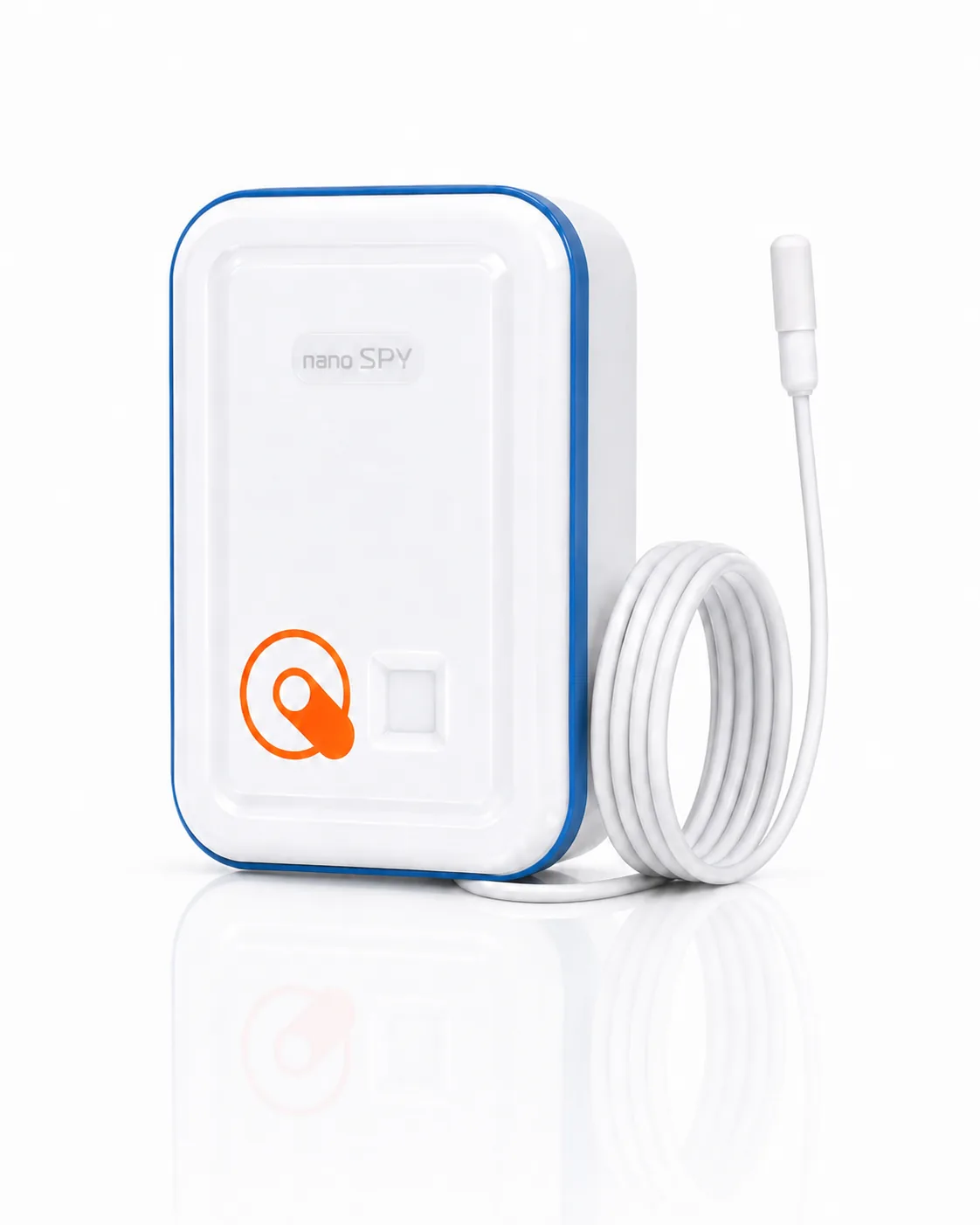
Mini logger with interchangeable digital probes; calibration coefficients held in the probe. Part 13491.
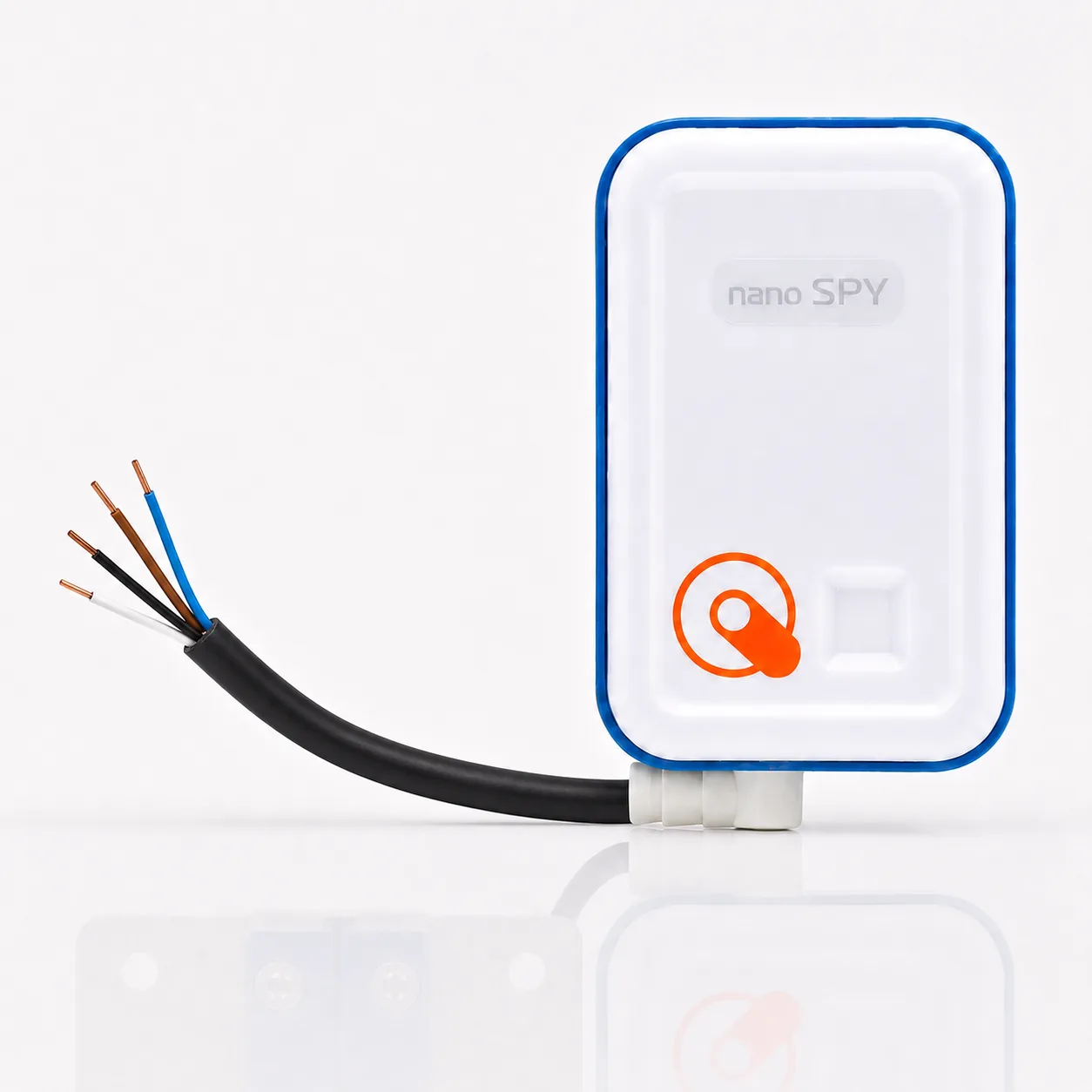
Universal analog input. PT100, 0–20 / 4–20 mA, 0–1 V, dry contact and pulse counting. IP67. Part 12540.
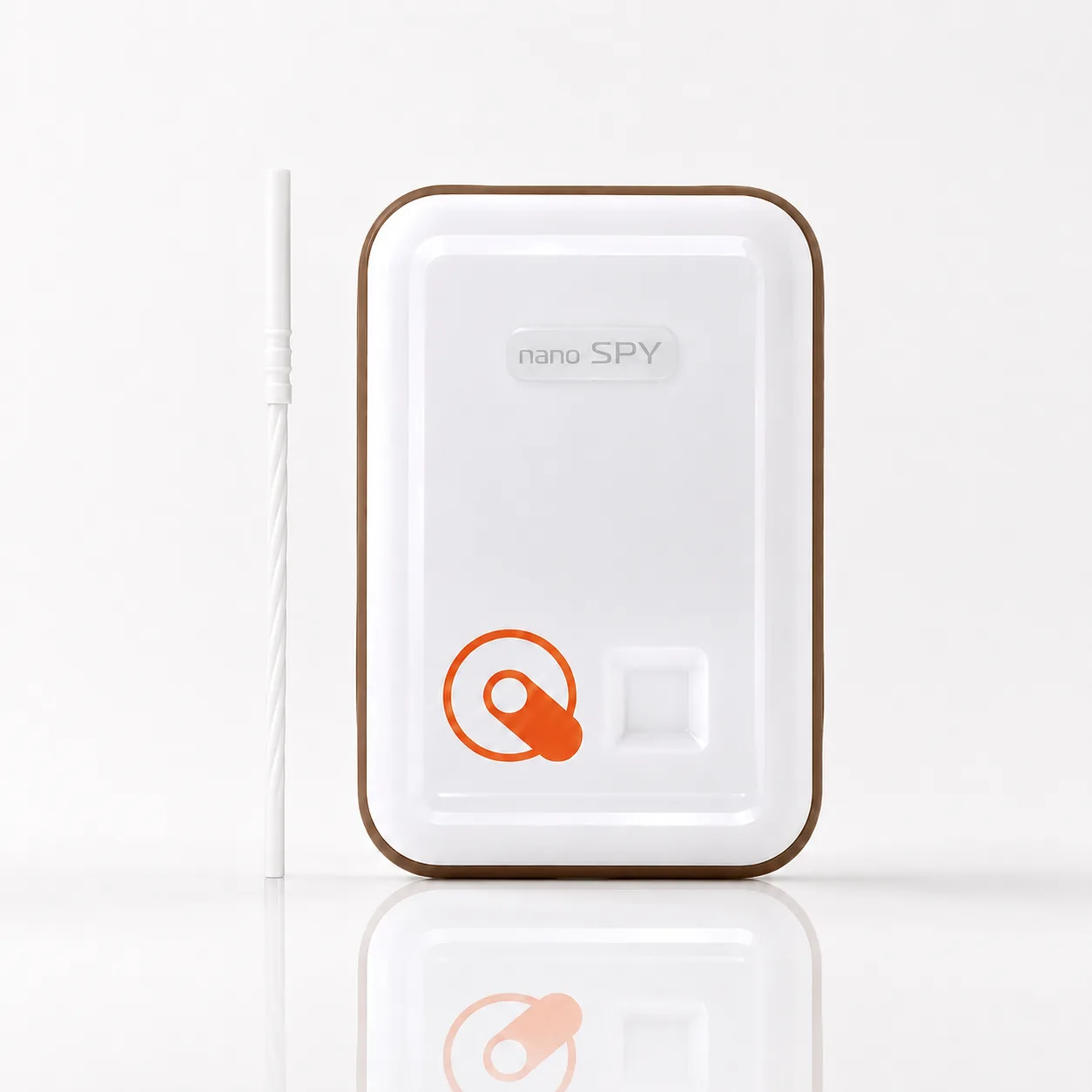
Metrology-grade Class A PT100 on 3 m cryogenic cable. ±0.15 °C for mapping and in-place verification. Part 12521.
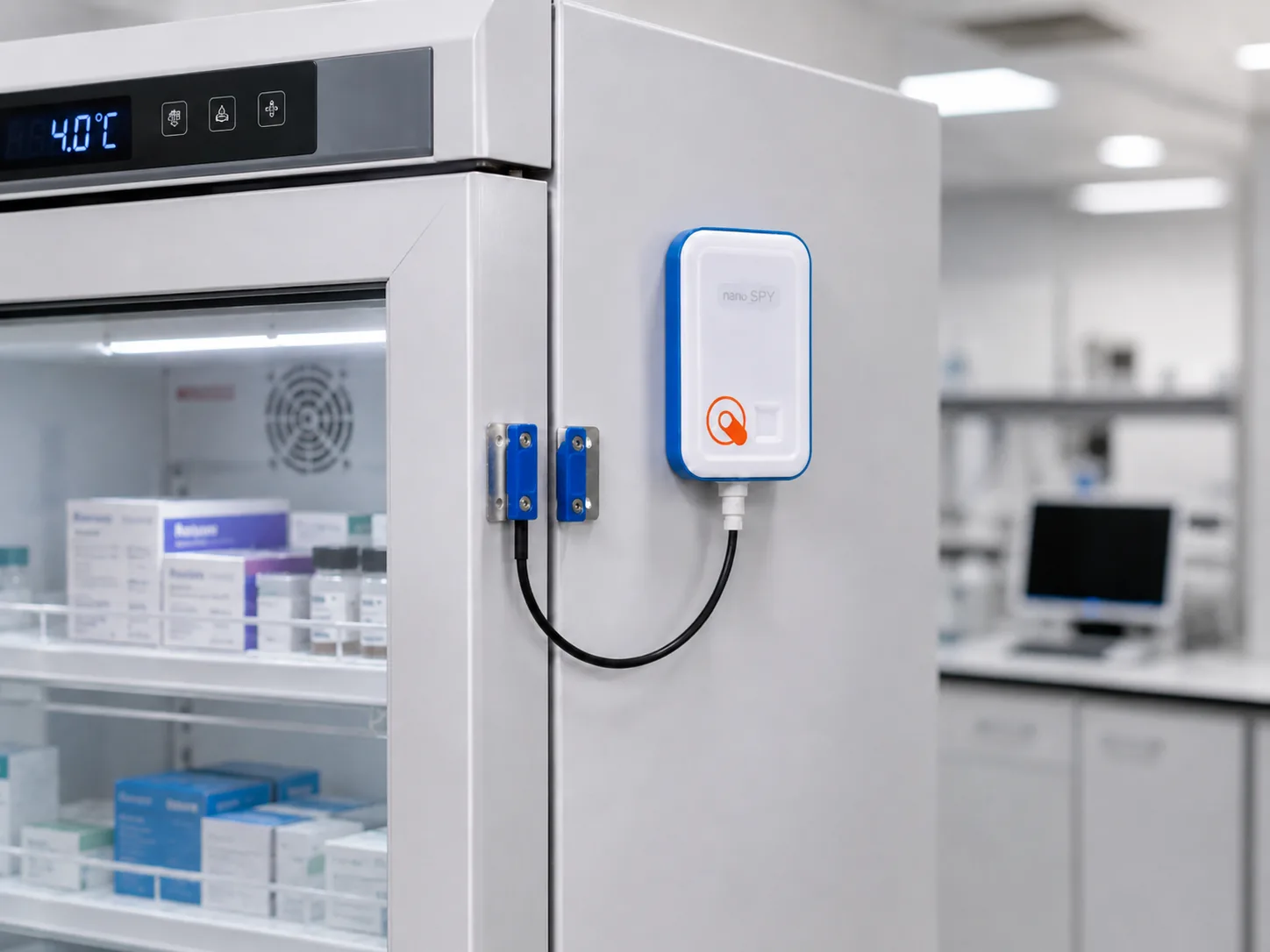
Magnetic reed contact on a 20 cm cable. Timestamped open/closed states with duration alarms. Part 13395.
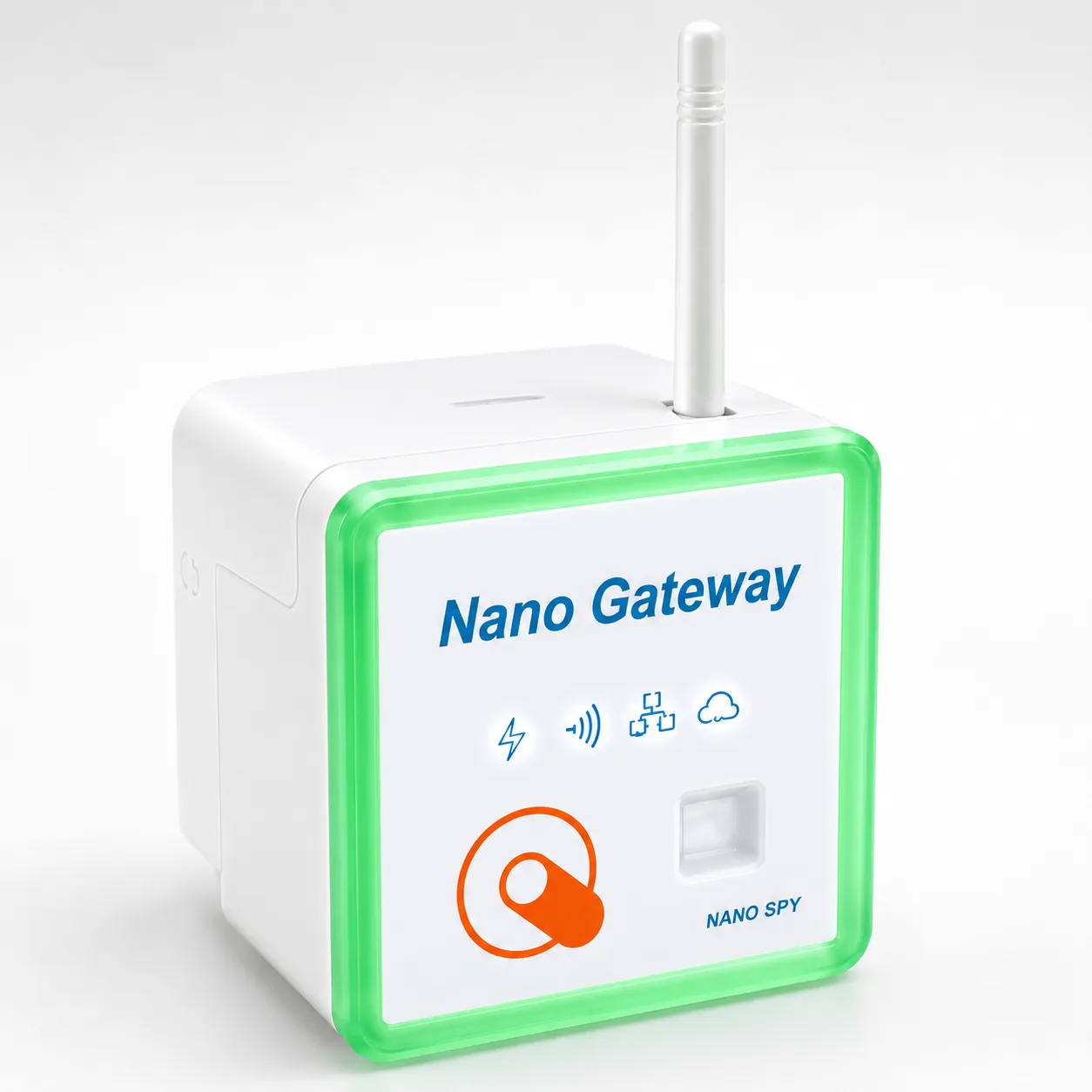
Up to 100 sensors per gateway at 300 ft range. Ethernet, PoE or WiFi uplink with 4G failover option.
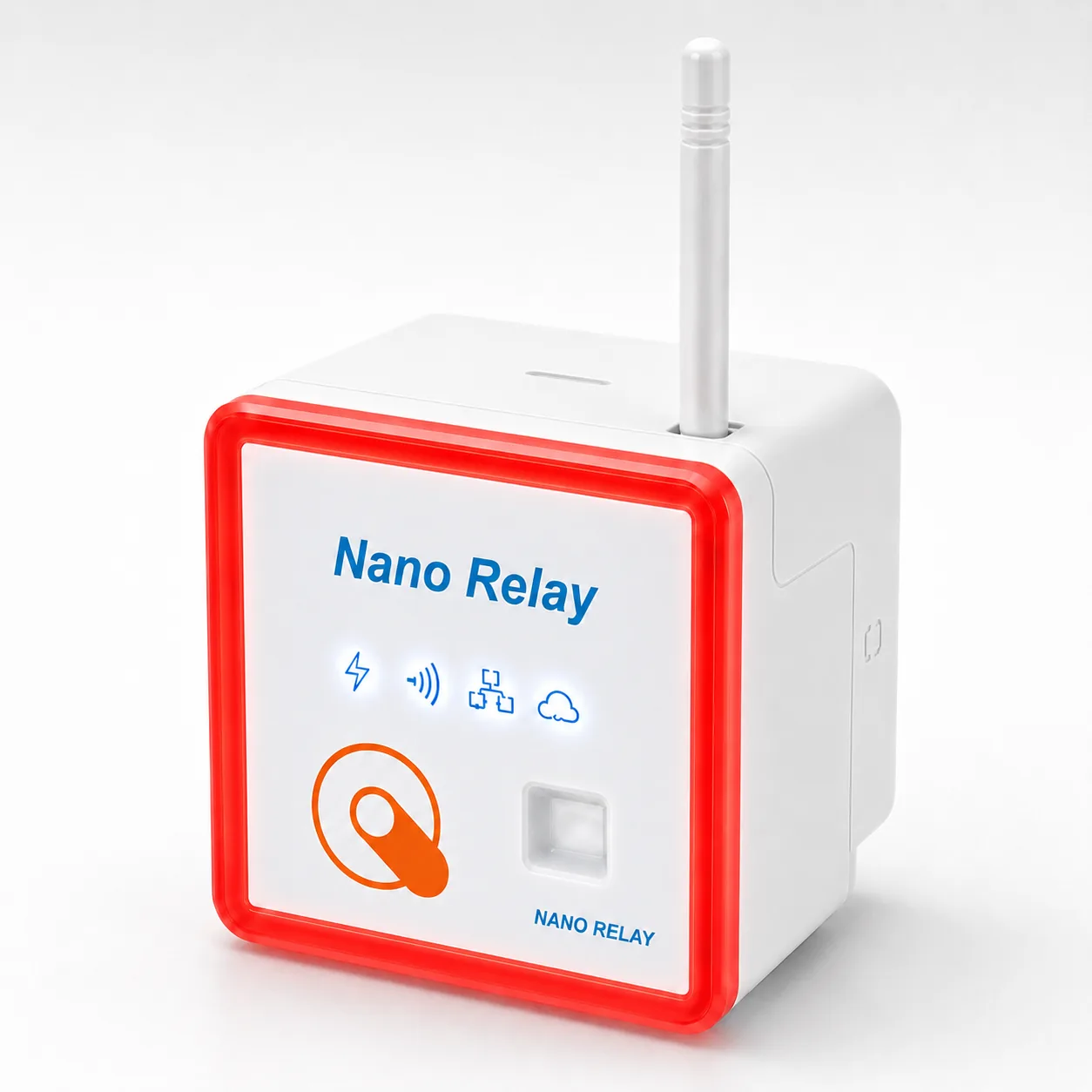
Radio repeater and local alarm in one: light strip, buzzer and dry-contact relay for BMS or autodialer.
Nova SPY Sensors
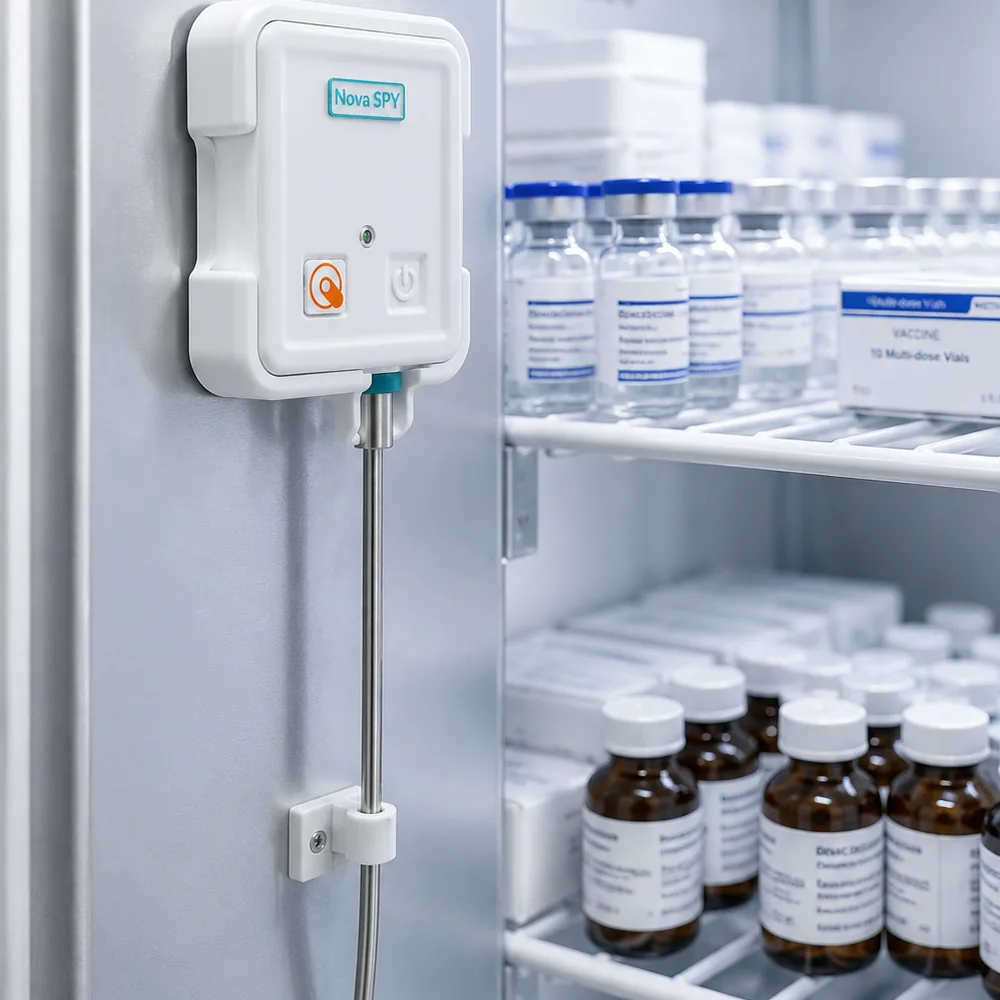
Activation, registration, mounting and ER14505 lithium battery replacement for the Nova SPY platform.
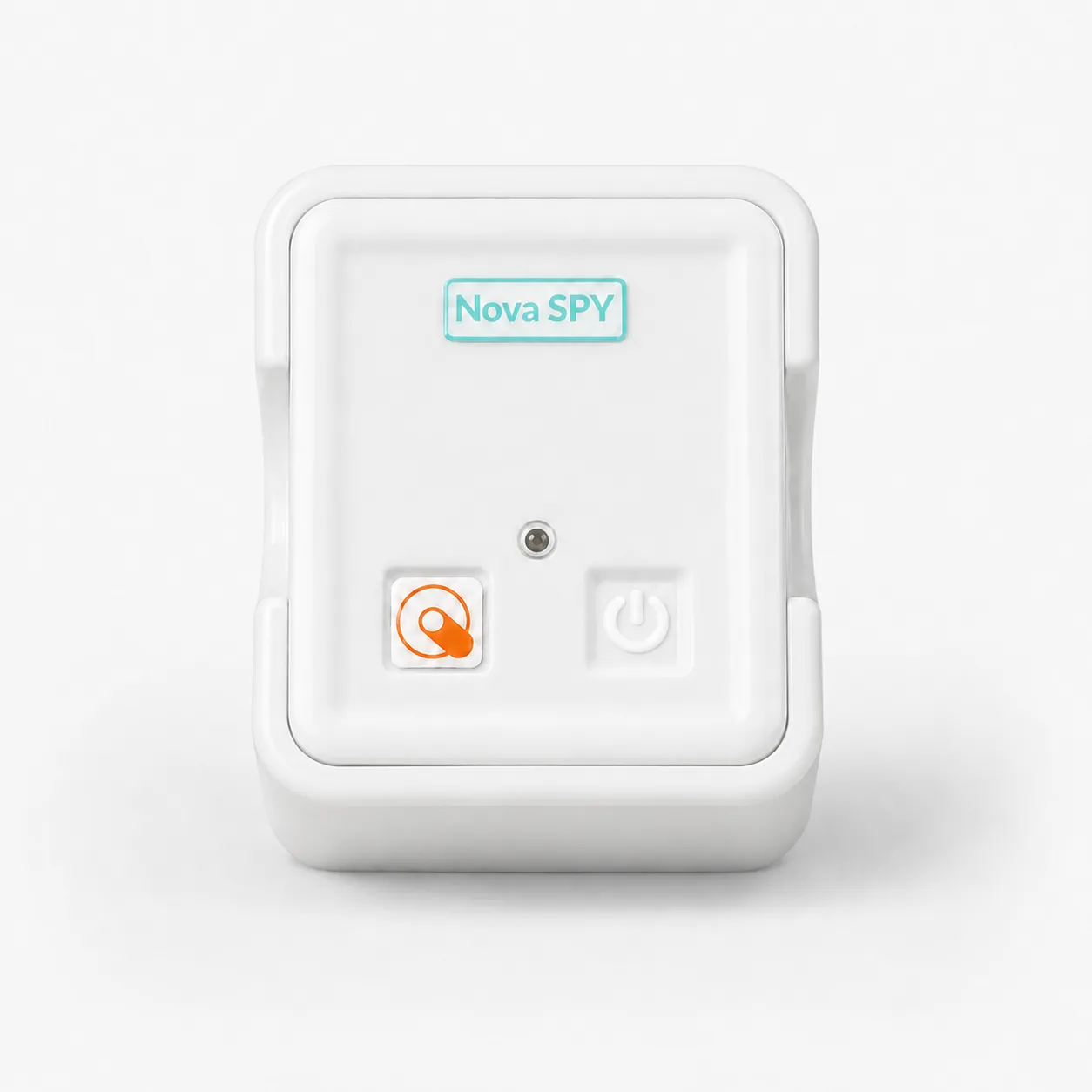
Reference documentation for validating Nova SPY radio range and placement across a deployment.
Temperature-only Nova variant. PT100 internal probe with NIST-traceable factory calibration.
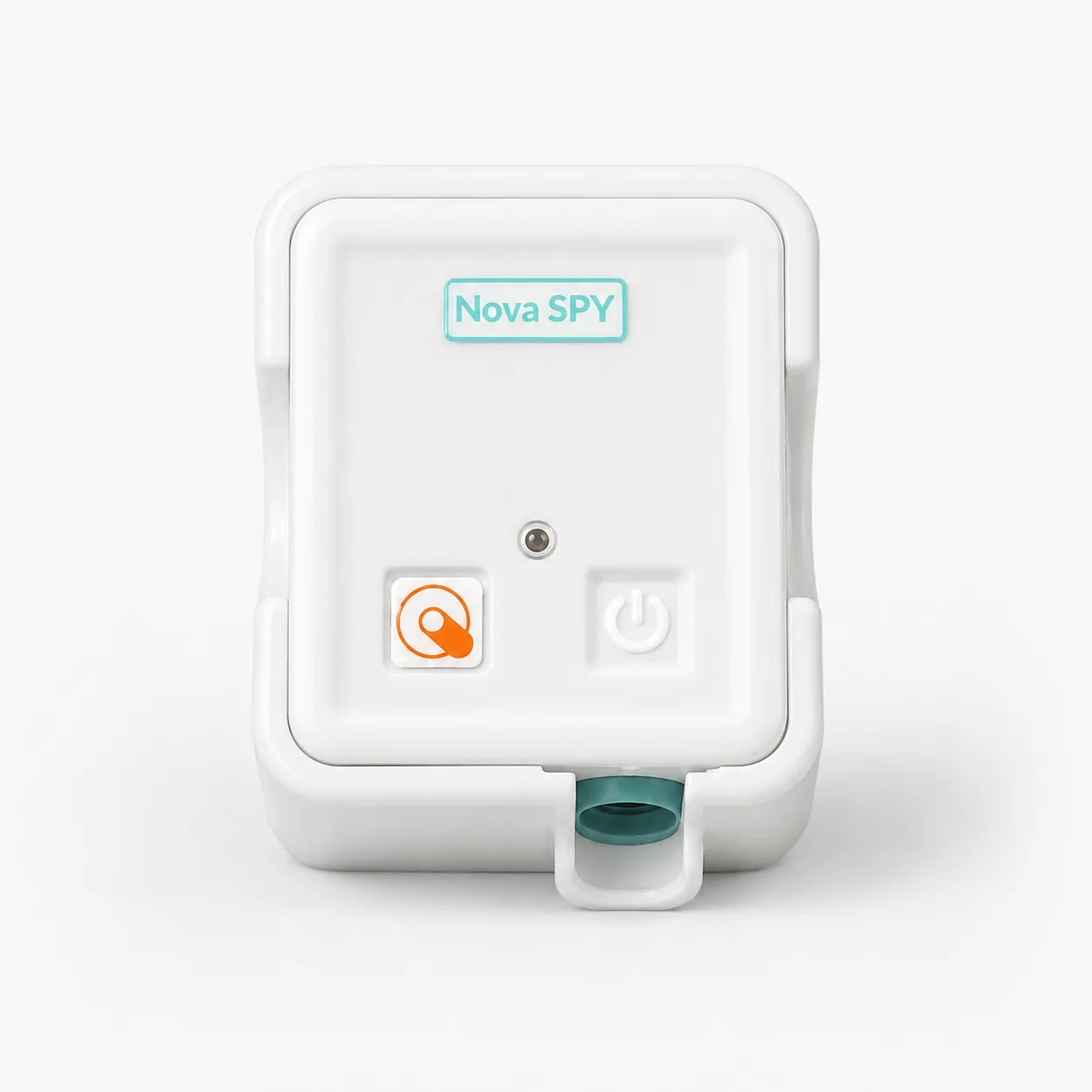
Digital-input Nova variant for external probes and sensors. Suitable for incubators, stability chambers and cleanrooms.
Digital Probes & Transmitters
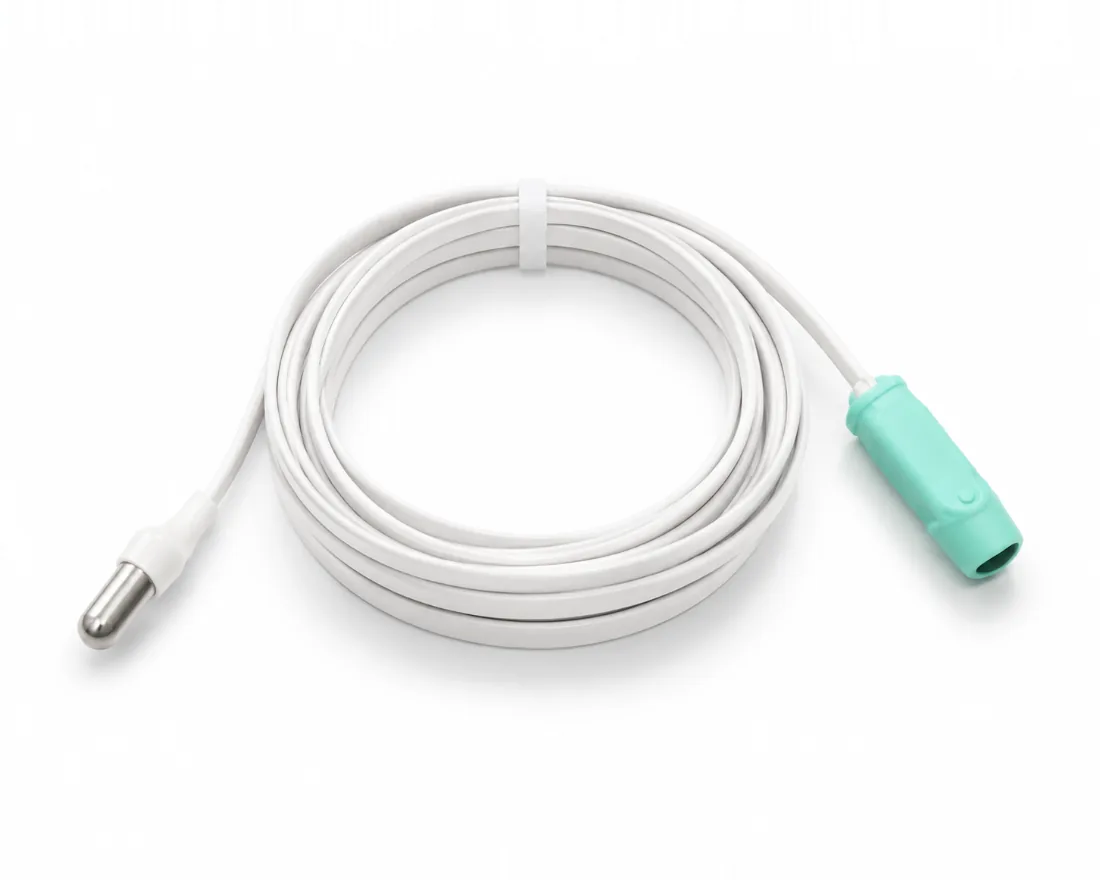
Everyday digital temperature probe. −40 to +80 °C, ±0.20 °C, IP 68, coefficients on board. PN 13993.
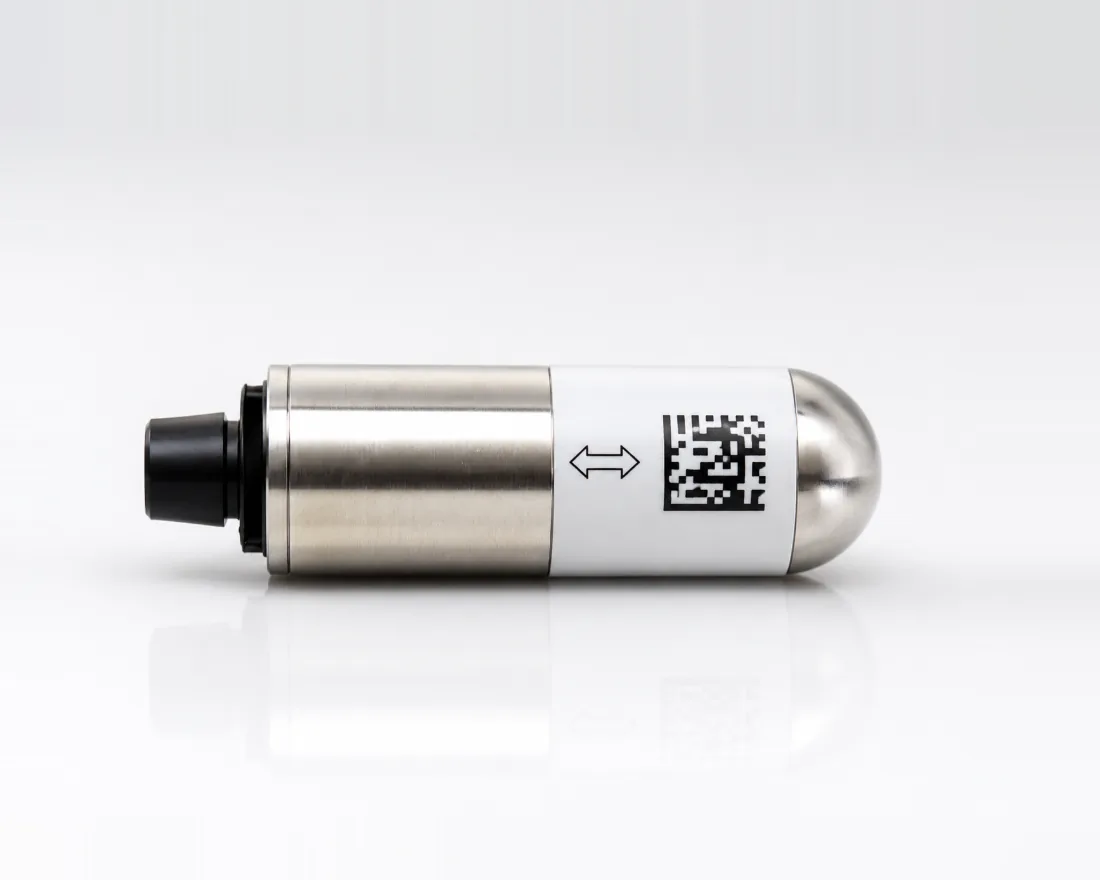
Short-shaft temperature probe for tight fittings and faster response. −40 to +80 °C. PN 13912.
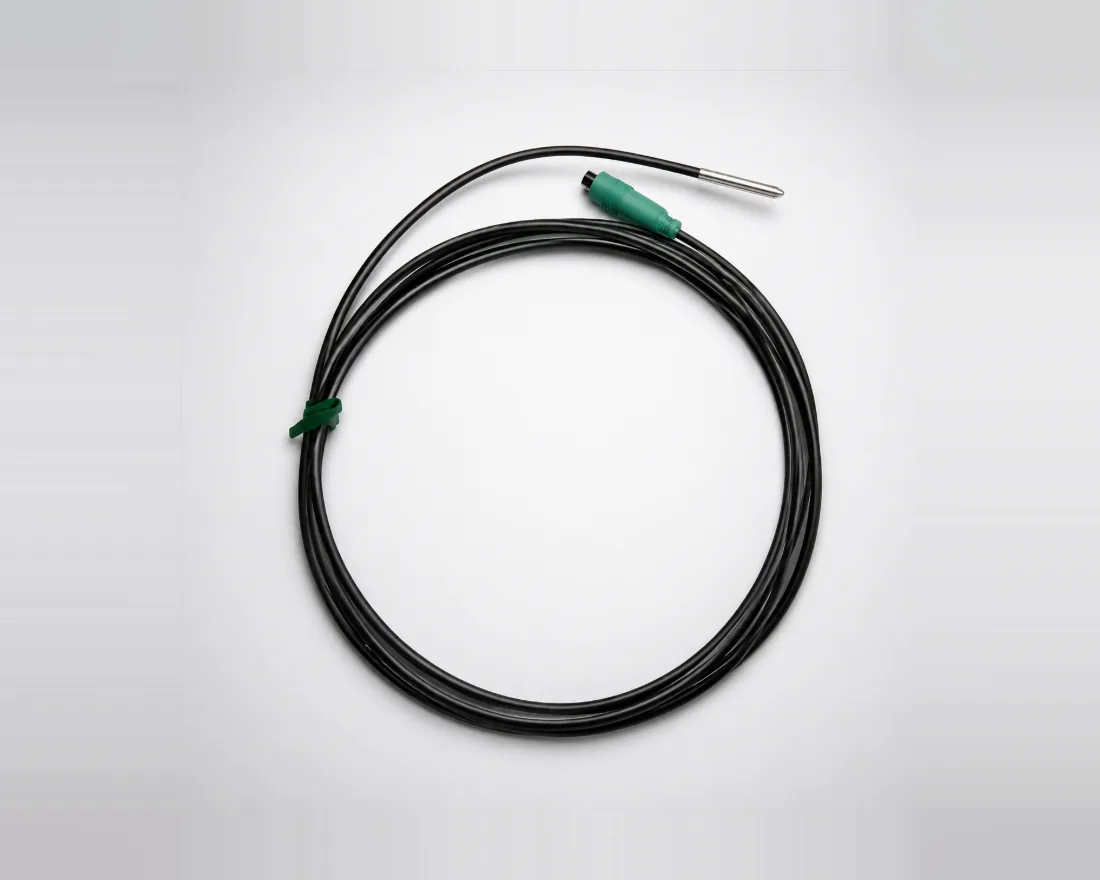
−200 to 0 °C on 3 m Teflon cable for ULT freezers, LN₂ tanks and cryoconservation. PN 13984.
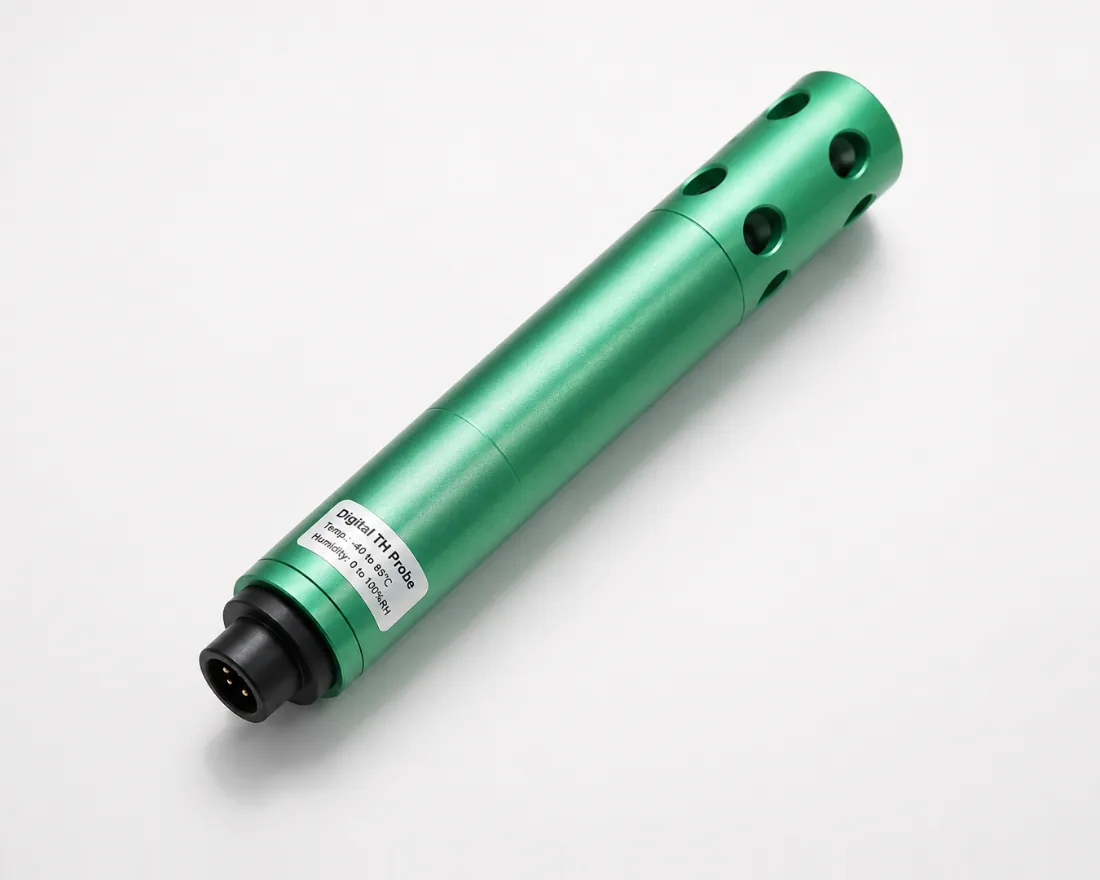
Temperature and relative humidity on one digital connector. −30 to +70 °C, 0–100 % RH. PN 12347.
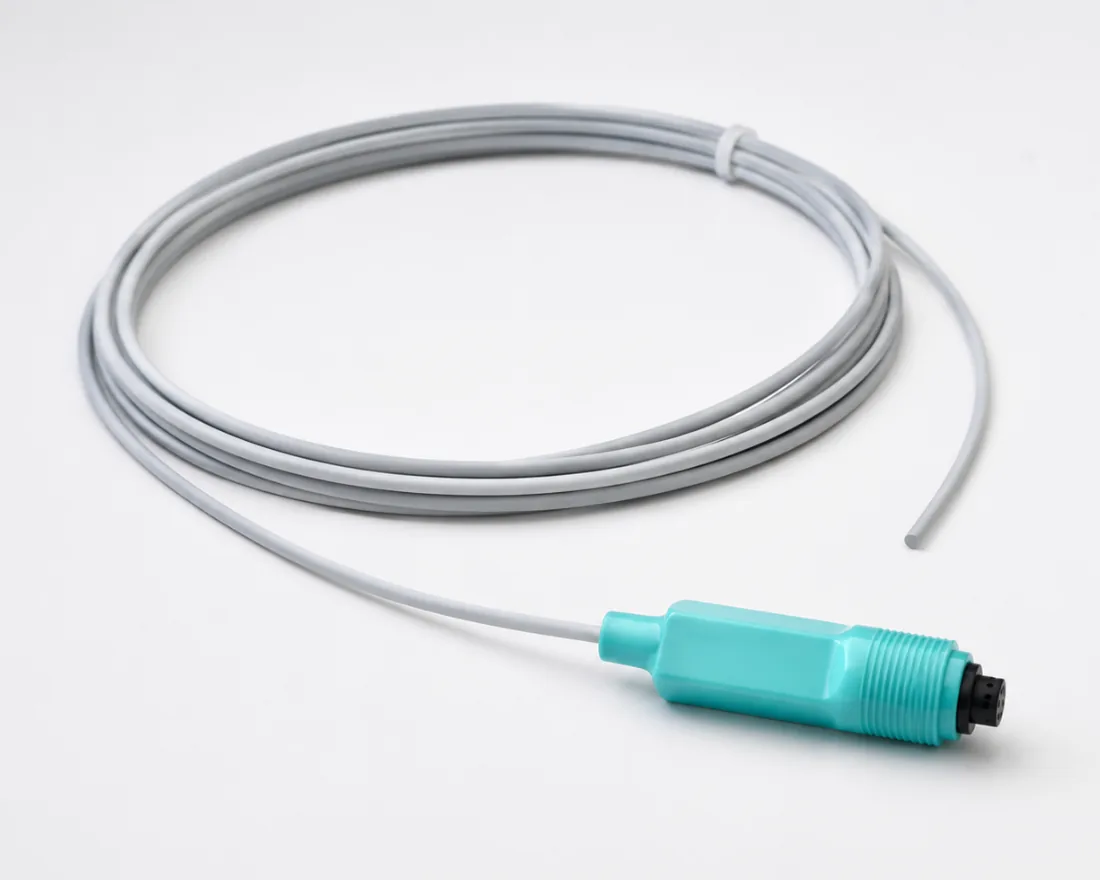
PT100 reference probe for mapping and on-site validation. −50 to +180 °C, EN 15140 response. PN 13947.
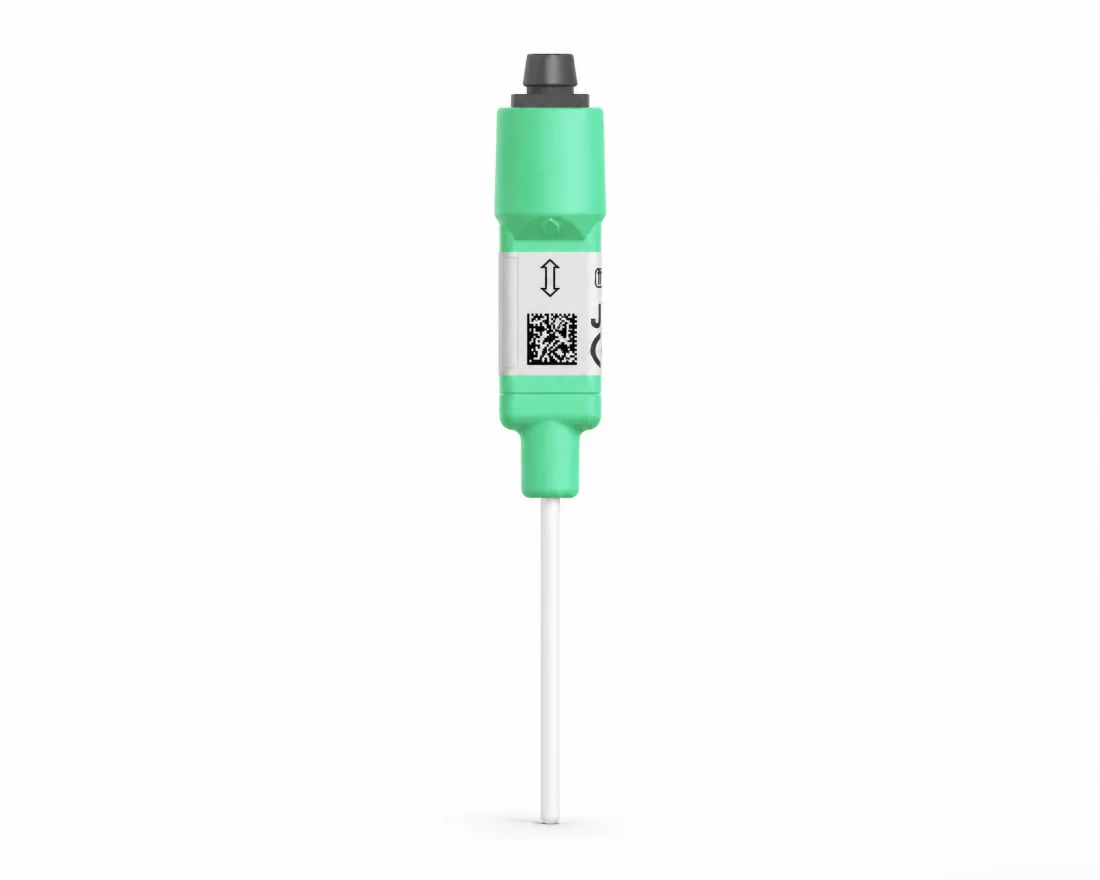
Reference-grade probe in a fast-response short body for small chambers and vial racks. −40 to +80 °C. PN 14129.
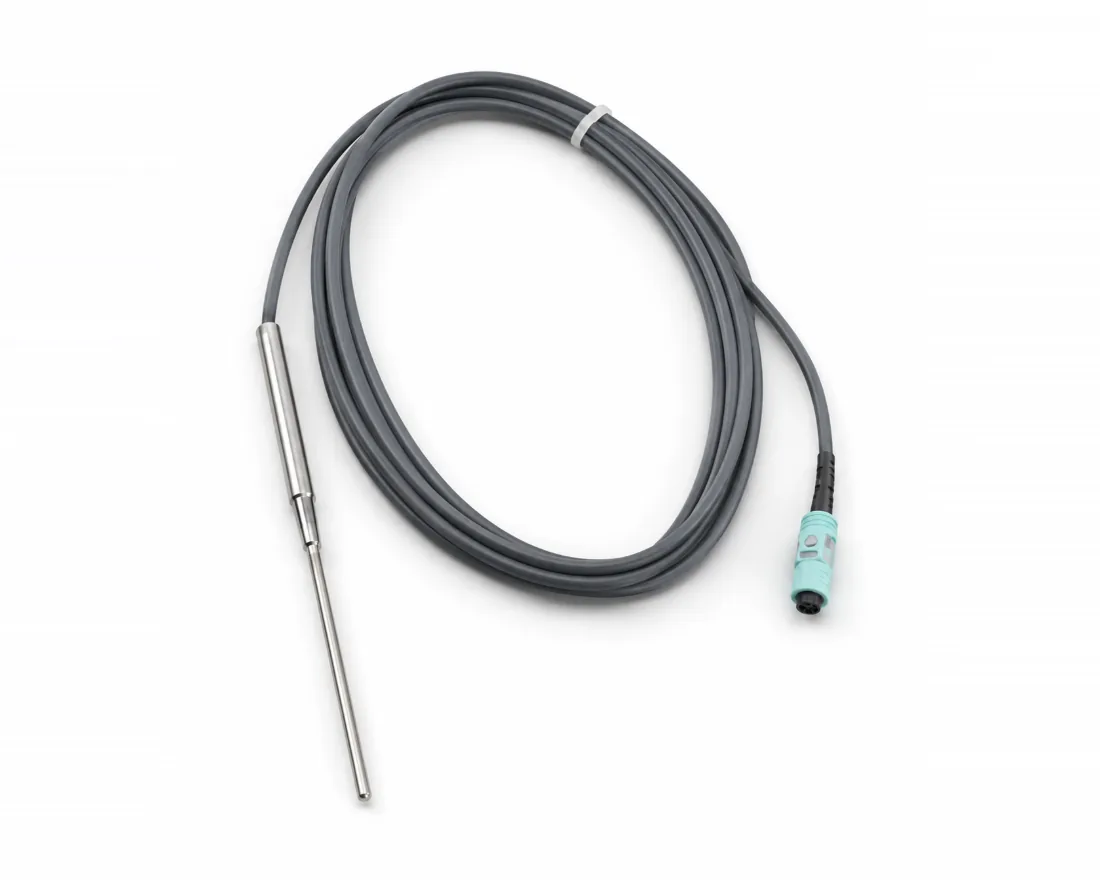
Metrology-lab bench standard for cross-calibration. −196 to +180 °C, 0.001 °C resolution. PN 13947.
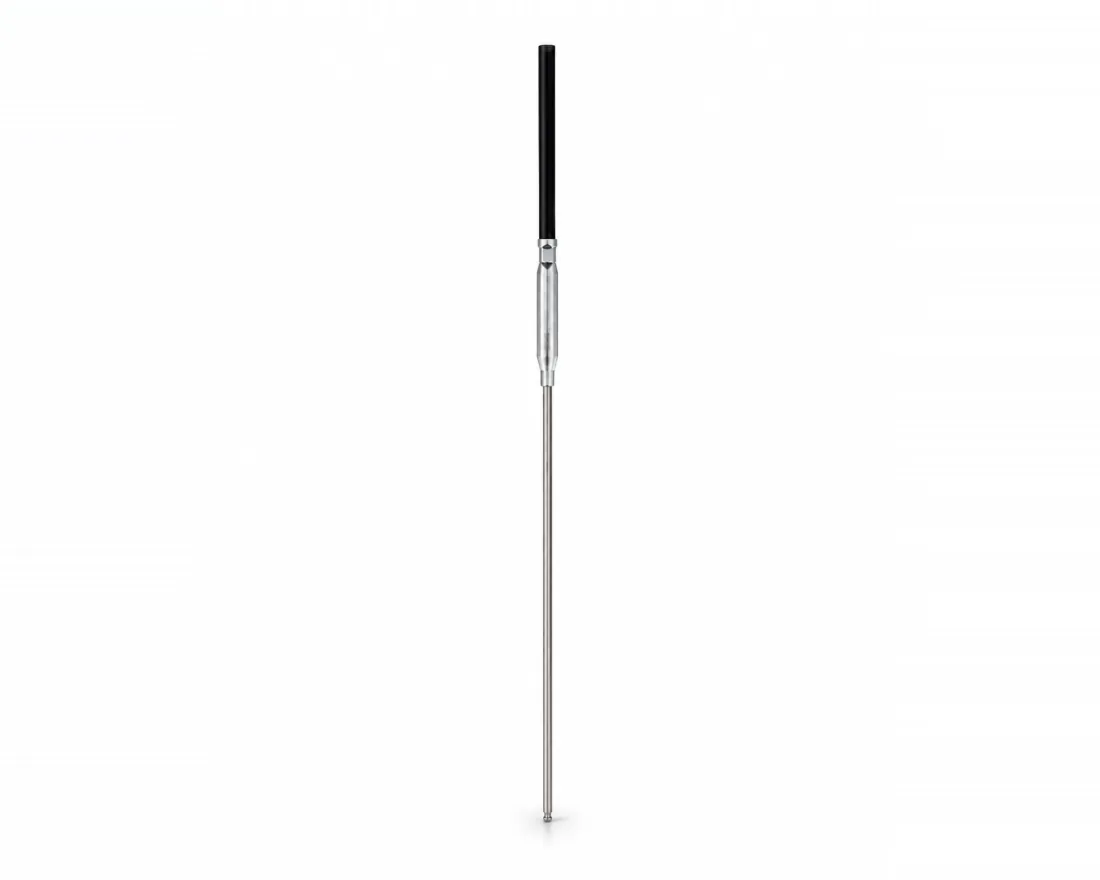
Autoclaves, ovens and sterilization tunnels. −50 to +700 °C, class A element, industrial head. PN 13264.
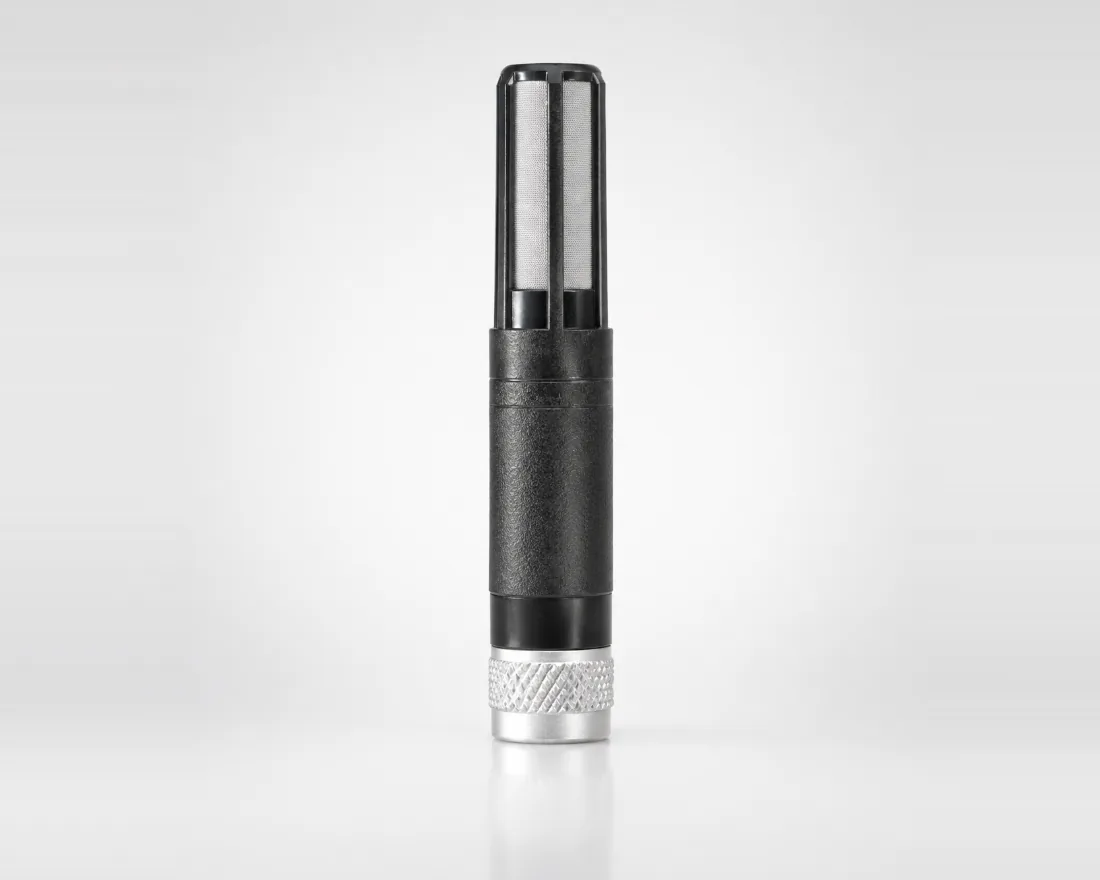
Wall-mount temperature and humidity for HVAC and GMP rooms. −40 to +60 °C, 4–20 mA. PN 12367.
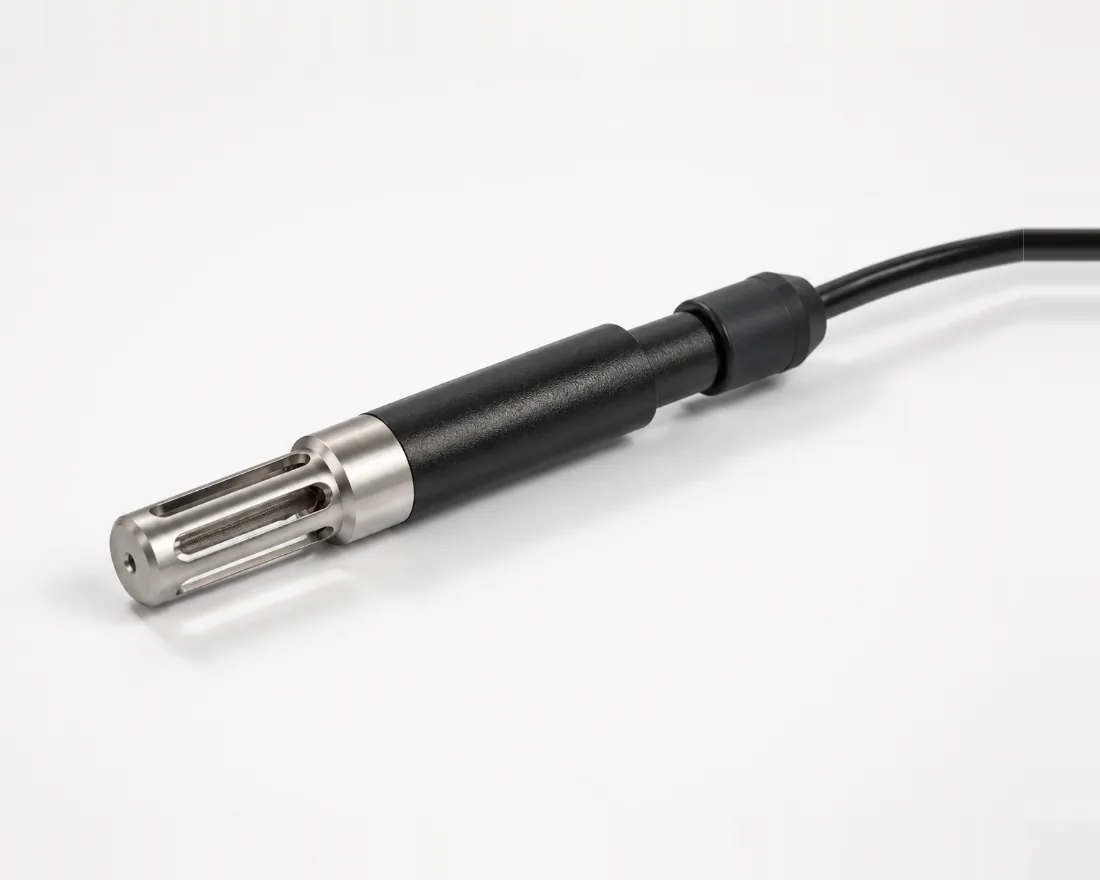
Remote stainless probe on armored cable for dryers, steam tunnels and process loops. −100 to +200 °C. PN 12366.
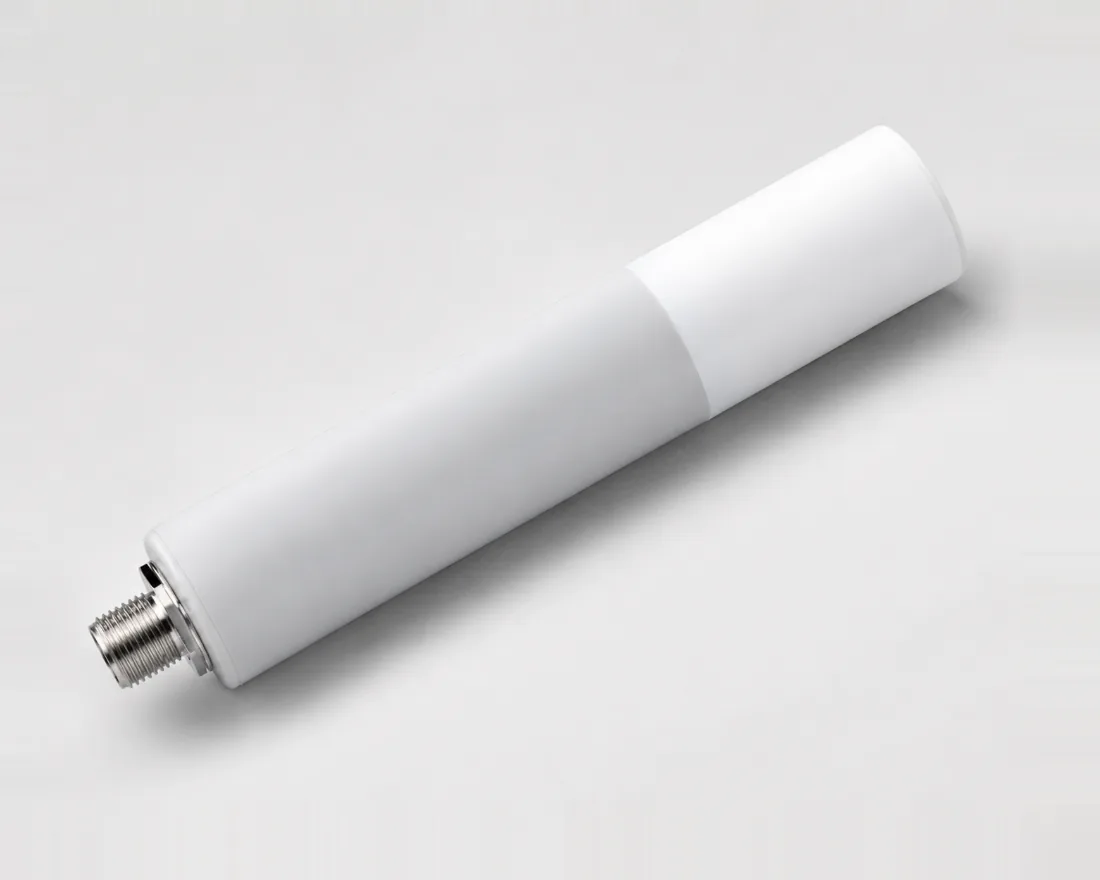
NDIR optical CO₂ measurement 0–20 % for incubators and cell culture. 4–20 mA. PN 12365.
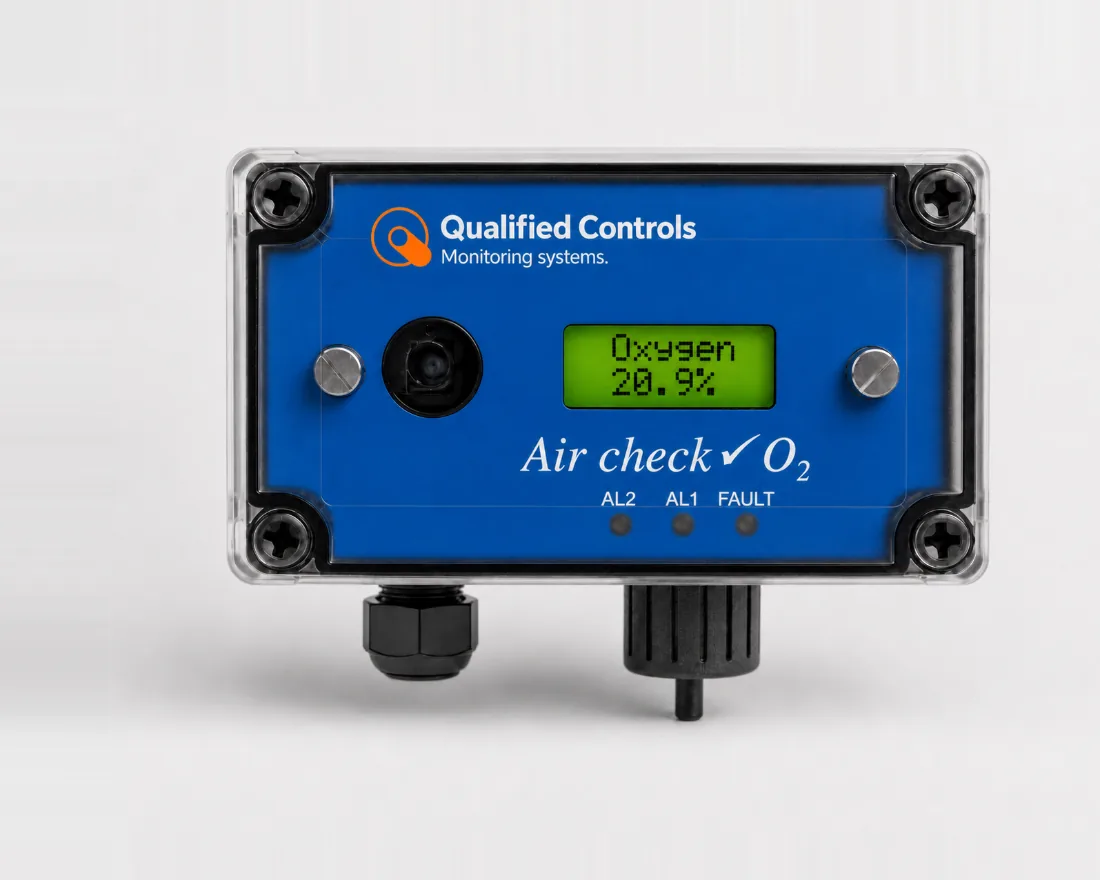
0–25 % oxygen displacement alarm for LN₂ rooms and cryoconservation cells. 4–20 mA. PN 09491.
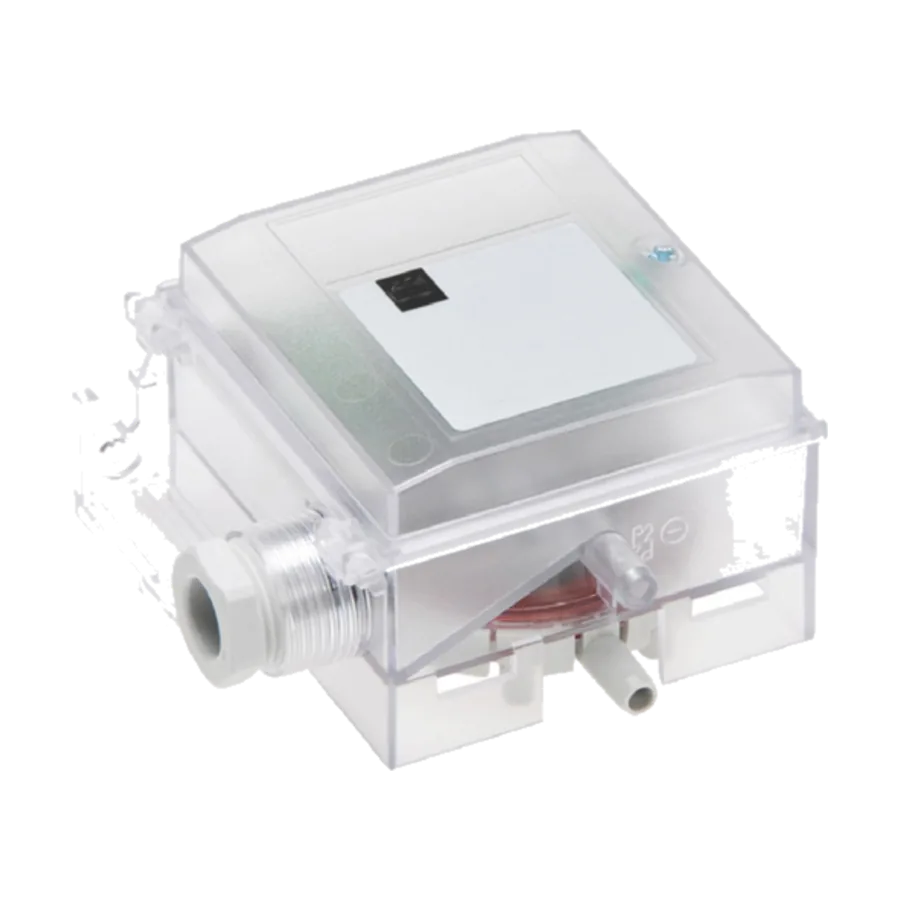
Cleanroom cascades, isolators and BSCs. 30 / 50 / 100 Pa ranges, ±1 % EM, < 20 ms response. PN 11185.
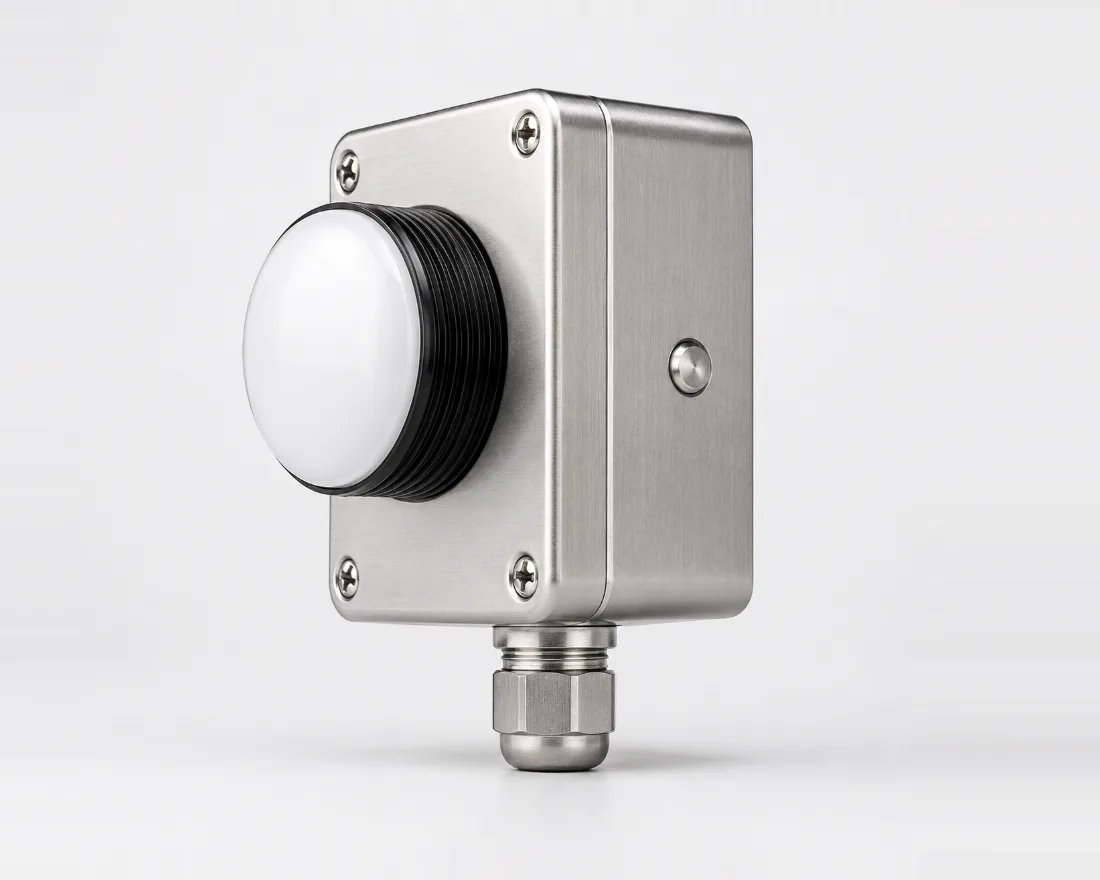
Cosine-corrected light intensity for stability chambers, inspection booths and storage areas. 4–20 mA. PN 09588.
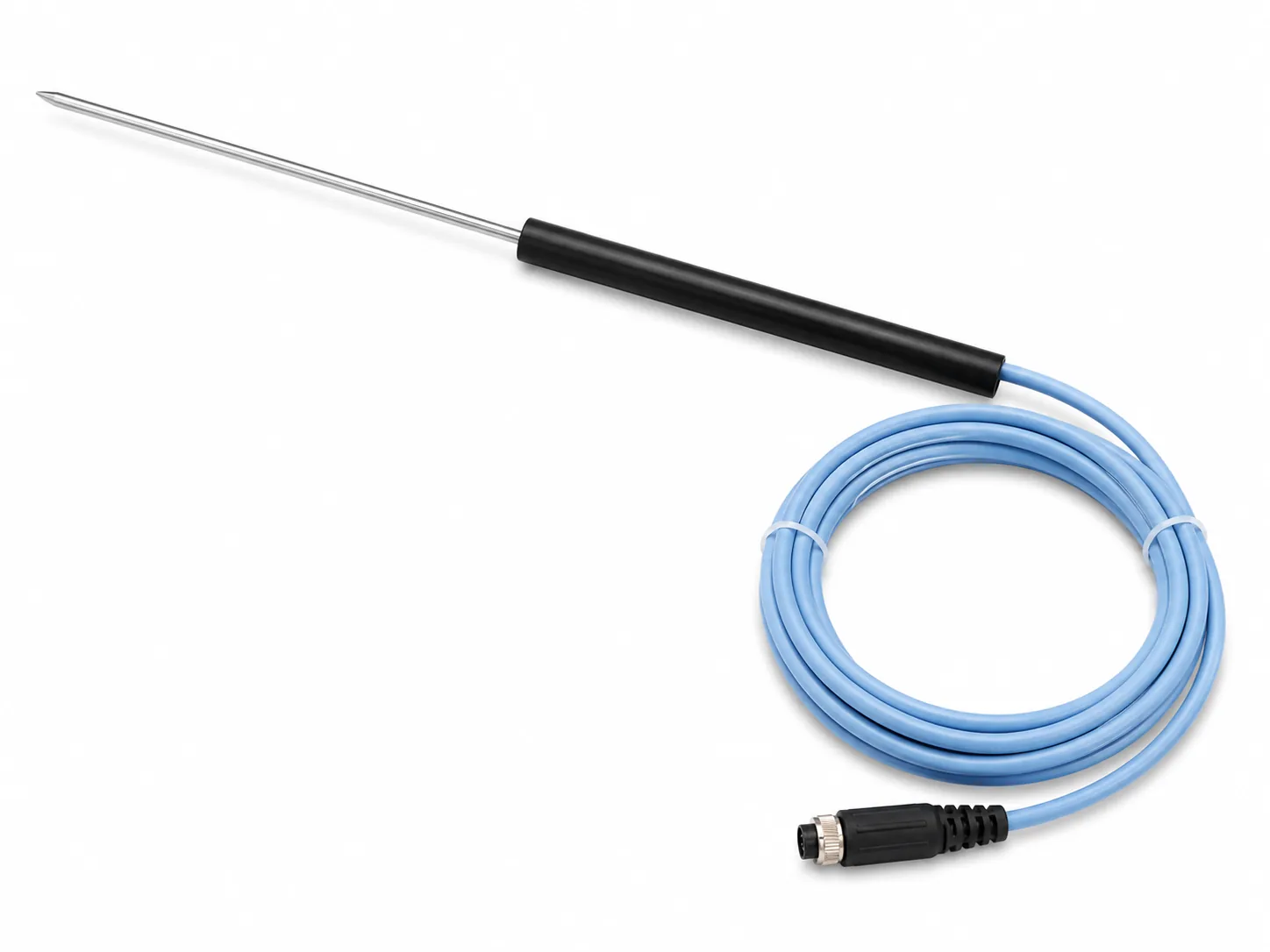
In-process food safety monitoring. −60 to +180 °C PT100 Class A, Ø 4 × 150 mm stem, insulating silicone handle. PN 05936.
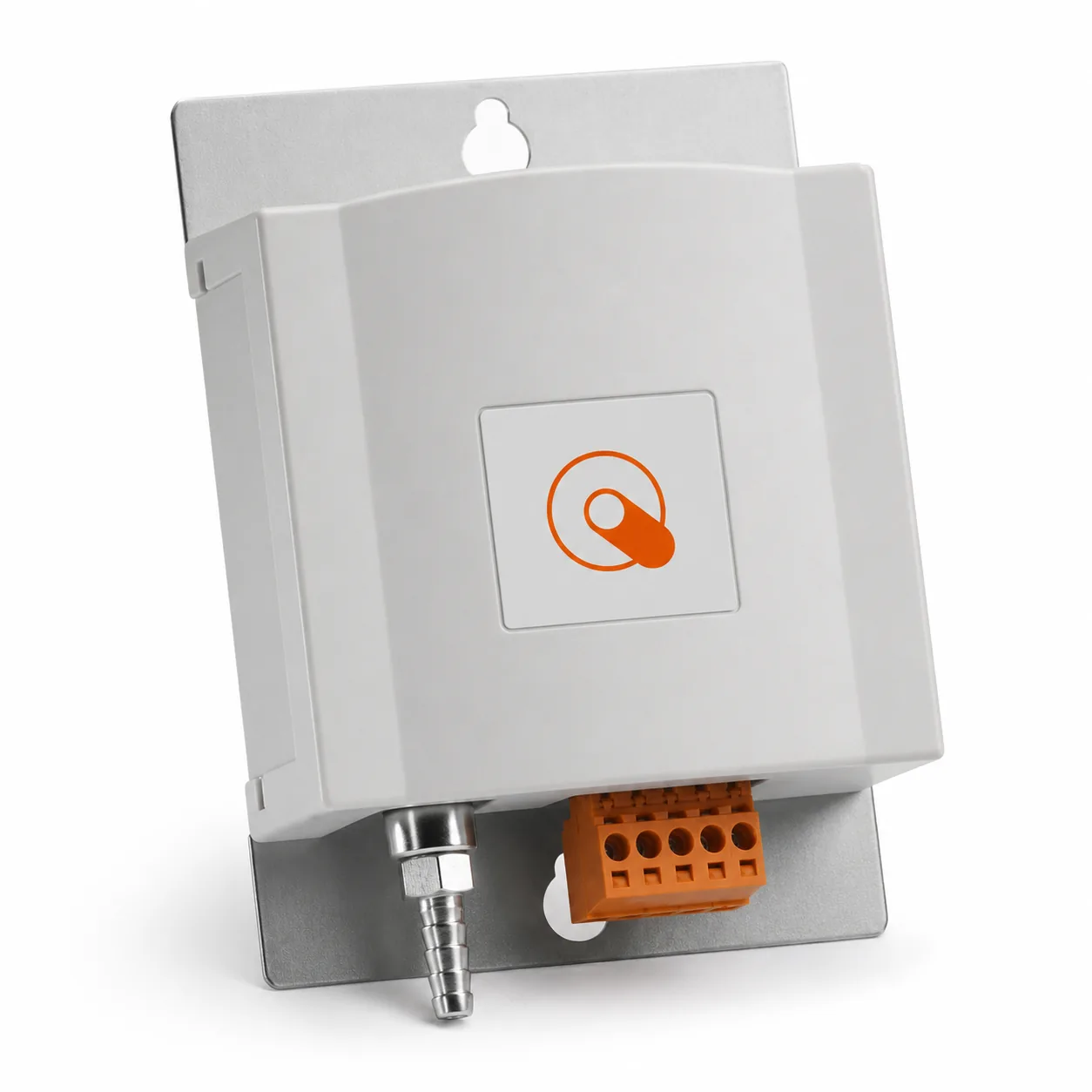
Barometric transmitter for SPY U and MySirius. 500 to 1100 hPa, ±0.25 mbar, 10–30 VDC wall mount.
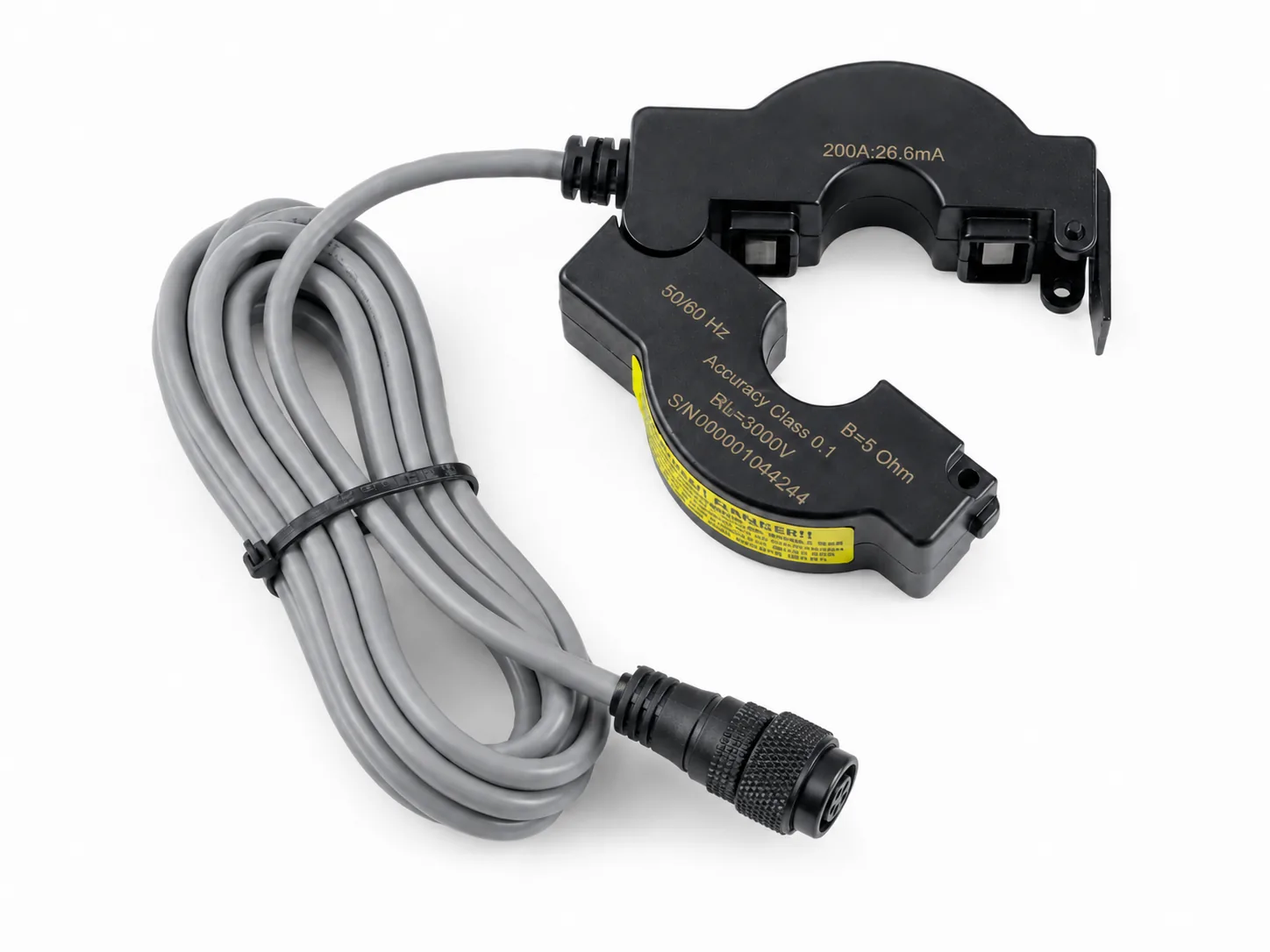
Split-core CT for runtime and service triggers. 0.1–200 A primary, Class 0.1, 50/60 Hz, UL / cUL. PN ESCT-015-200UL.
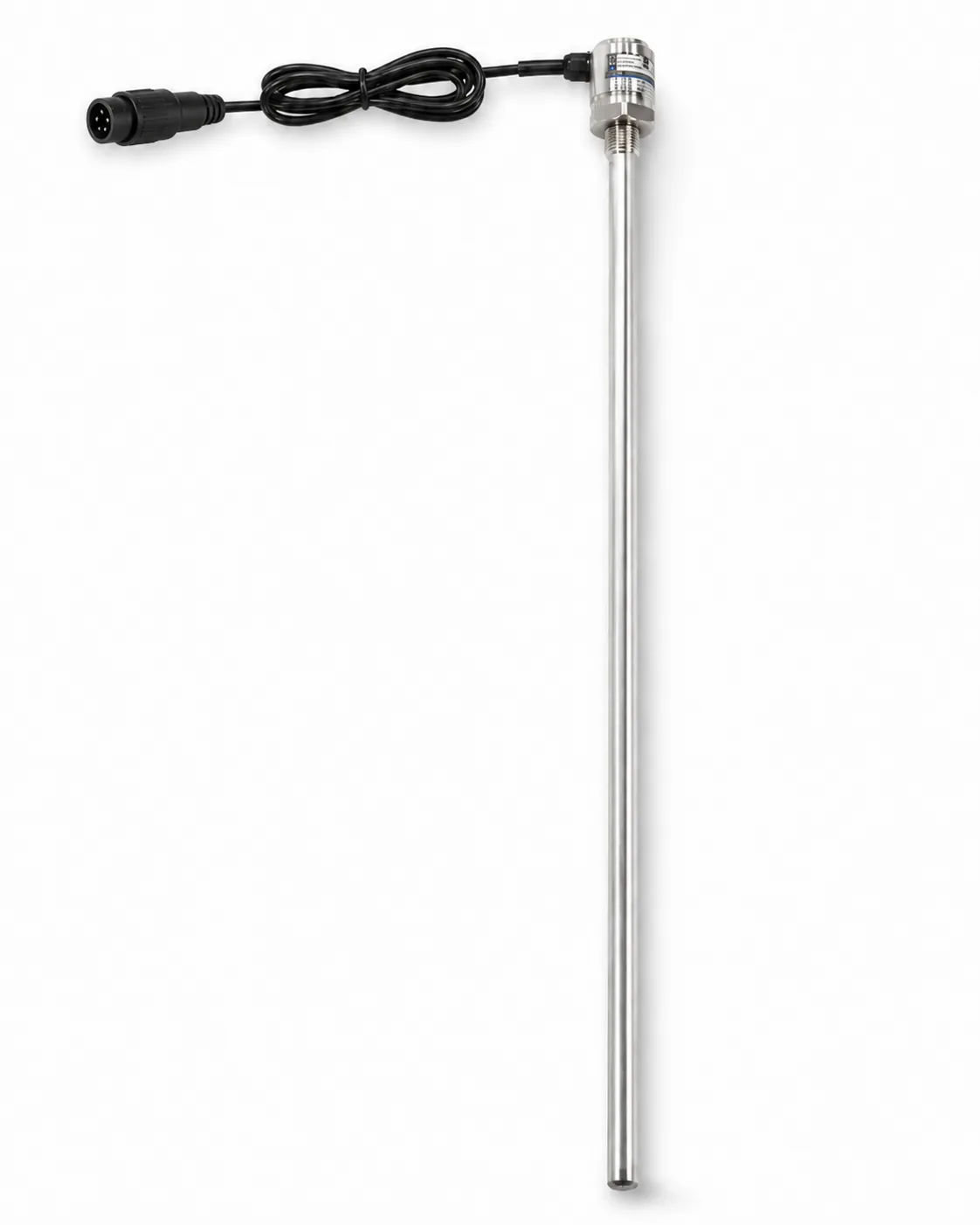
Capacitive continuous level for dewars and storage tanks. 300 mm range, 0.5 % FS, 4–20 mA, G1/2 stainless. PN LLCAP.
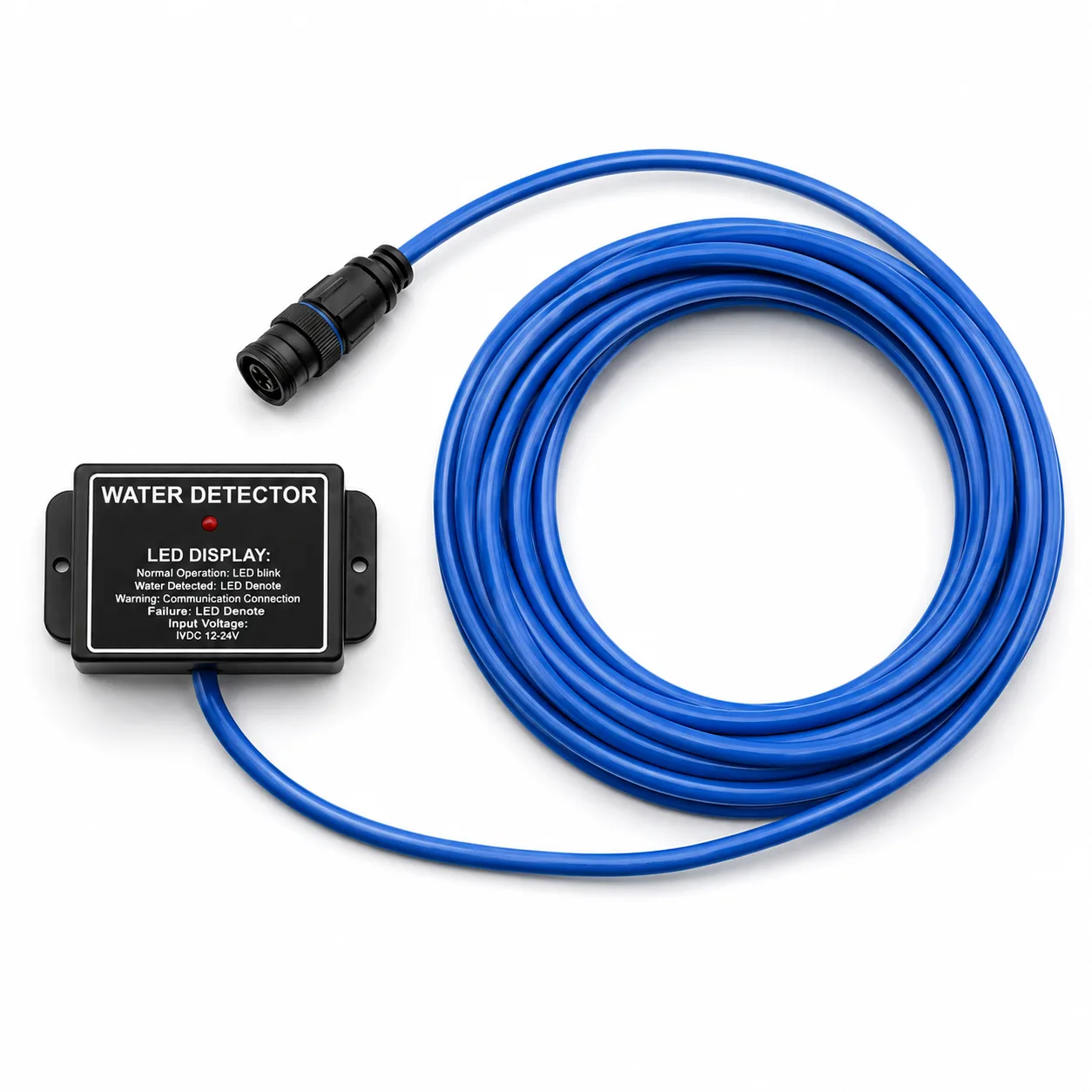
Capacitance leak and flood detection that reads even distilled water. Submersible epoxy body, LED status, 15 / 60 / 100 ft cable. PN WS15–WS100.
No documents match your search
Try a different keyword, or clear filters to see everything.
Common questions, fast answers.
Field-tested troubleshooting steps written by QC support engineers — calibration, batteries, alerts and connectivity for every platform.
- Confirm both instruments were measured at the same location and time. Even 30 cm of distance can produce measurable differences near HVAC zones.
- Check calibration certificate expiration under Metrology > Measurement Chains > [sensor] > Calibration.
- Verify the reference thermometer's own calibration status and NIST traceability chain.
- Review the sensor's accuracy specification for the measurement range.
- Configure alert delay settings to filter brief door-opening excursions (typically 5–15 minutes depending on unit recovery time).
- LoRa SPY T1 advantage: the T1 includes an integrated light detector that records door openings. Use this data for automatic correlation with temperature spikes in MySirius.
- Review your SOP for acceptable temperature excursion duration during routine access.
Digital probes simplify metrological services: calibration is performed in lab by simple probe exchange — no monitoring interruption.
Schedule calibrations through MySirius > Service > Calibration Request to maintain uninterrupted monitoring with loaner sensors during the calibration window.
- Open the battery cover using a flat object (e.g., a coin) by rotating to align marks. "0" = Open, "1" = Closed.
- Insert the new battery respecting polarity markings. The green LED illuminates briefly to confirm.
- Close the cover and restart the device by touching the button for 3 seconds.
- Log the replacement in MySirius > Devices > Maintenance Log.
- LoRa SPY (all variants): 3.6 V lithium AA — ≈ 2 years.
- LoRa TEMP standard: 3.6 V lithium A-type 14 mm — ≈ 5 years*
- LoRa TEMP long-life option: 3.6 V lithium A-type 17 mm — ≈ 8 years*
- Nano SPY: CR2477 3 V coin cell — 12–18 months at 15-minute interval.
- Navigate to MySirius > Alerts > Alert Configuration and confirm thresholds are set for the affected sensor and zone.
- Verify notification recipients are correctly listed with valid email and phone numbers.
- Check the Alert History log to determine if the alert was generated but delivery failed.
- Confirm the alert delay setting is not masking brief excursions.
- T0 — Internal PT100 ambient (no ring)
- T1 — Temperature + light sensor — Grey ring
- T2 / T2 Incubator — External probe — Blue/Green or Yellow
- T3 — Ultra-low temperature — Red ring
- T4 — Pipe surface — Black ring
- TH — Temperature + humidity (no ring)
- Digital / U — Digital probe / Universal — Blue ring
Need a document we don't list?
Regulatory letters, integration guides and other client-specific documentation are available on request to qualified accounts.