
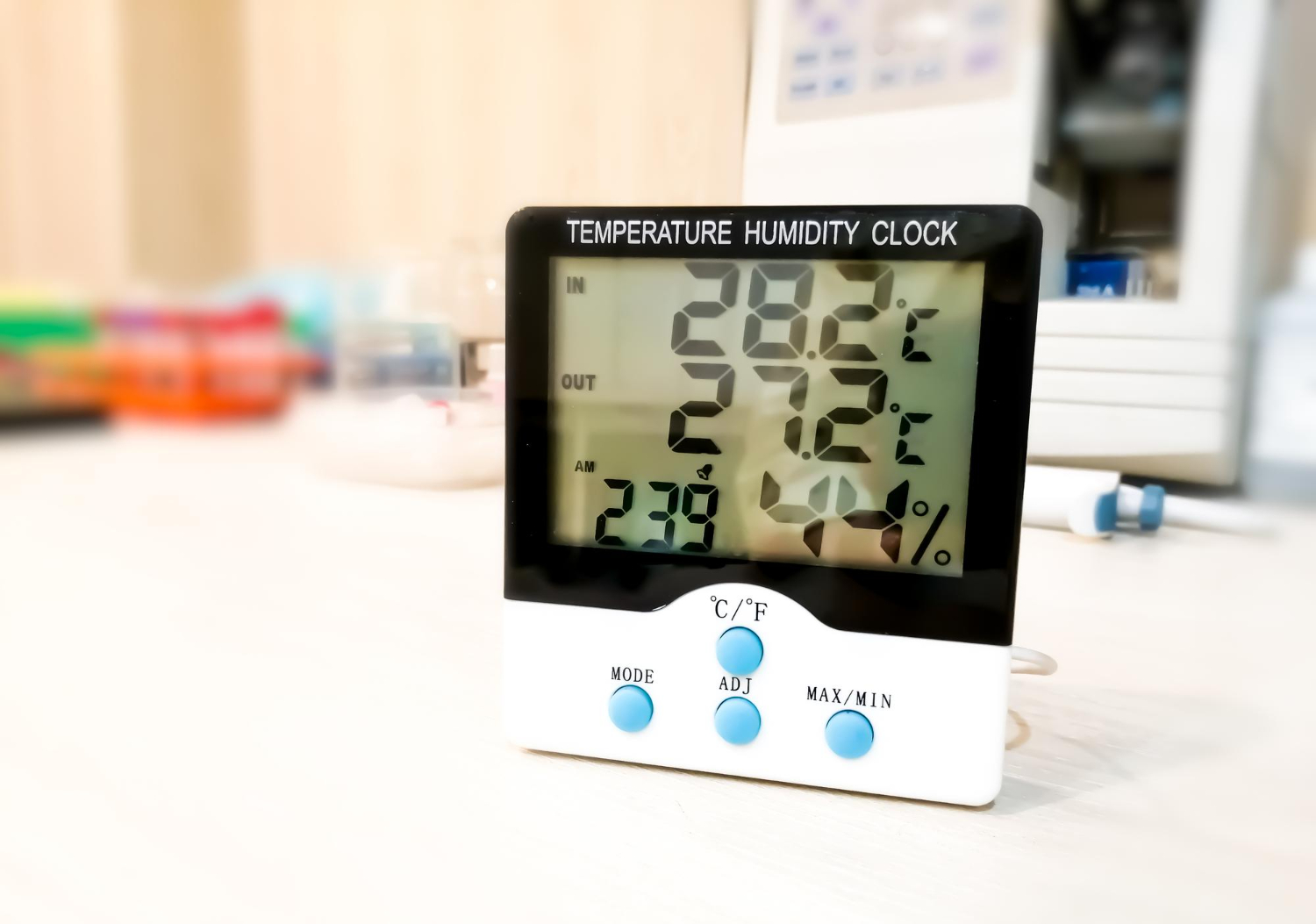
Keeping every lab area at the right temperature is hard enough. Doing it in a mixed facility with research labs, storage rooms, animal spaces, production suites, and offices in one building is a whole different challenge. A good lab temperature monitoring solution can be the safety net that protects your work when the building itself is fighting heat waves, cold snaps, and HVAC changes.
In this article, we will walk through what makes mixed facilities tricky, what risks to watch for, and what to look for in a monitoring system that actually works in the real world. We will also share how we, at Qualified Controls, think about mixed spaces so you can compare that to your own plans.
Protecting Lab Integrity in Mixed Environments
Mixed facilities are busy places. You might have:
- Cold rooms and freezers along one hallway
- Warm incubators and process rooms on another
- A vivarium sharing walls with offices or meeting rooms
- Loading docks, corridors, and mechanical rooms in between
All of these spaces respond differently when the seasons swing. Summer heat puts stress on older freezers and central HVAC. Winter storms can cause power dips or building setbacks. When facilities teams switch between heating and cooling, some wings of the building can drift out of range before anyone notices.
That is why the core question is not just “How do we read temperatures?” It is “How do we choose a lab temperature monitoring solution that can protect many different spaces, satisfy regulators, and keep up as our building grows and changes?” By the end, you should have a clear way to look at your risks, understand what features really matter, and see how a mixed-facility strategy comes together.
Understanding the Risks in Mixed Lab Facilities
Not all rooms react to heat and cold in the same way. A deep freezer cares about tiny shifts, while an open lab might swing several degrees during the day. Some common zones include:
- Freezers and refrigerators, from 2 to 8 °C fridges to -80 °C units
- Incubators and warm rooms that run hotter than room temp
- Ambient labs that depend on building HVAC
- Hallways and anterooms that may not be tightly controlled
- Loading docks and receiving areas that see lots of door openings
Mixed facilities often share one HVAC or BMS across labs and offices. A change made to keep an office area more comfortable can quietly push a storage room out of spec. Construction work, frequent door openings, and older electrical panels in certain wings add more risk. Summer months, especially around the hottest weeks, tend to push equipment and building systems closest to their limits.
When these pieces stack up, the impact is real. You can lose product, delay studies, repeat testing, and face hard questions from QA and inspectors. Manual checks with clipboards or simple data loggers usually cannot keep up with this mix of risks or catch problems fast enough.
Core Requirements for a Lab Temperature Monitoring Solution
To protect a mixed facility, your monitoring setup has to do more than watch a few fridges. It should support many device types and be ready to grow as new labs and storage areas come online.
Look for coverage and scalability, like:
- Support for freezers, fridges, cold rooms, incubators, and ambient spaces
- Easy ways to add sensors in new rooms or on new floors
- Central views that show status across the whole site
Continuous, automated monitoring is key. That means 24/7 data collection, not just spot checks. The system should log data often, store it safely in the cloud, and let you set different alert thresholds for each zone. A freezer might need tight limits and quick alerts, while an ambient lab might need wider limits and short delay times.
Regulatory and quality needs are also a big part of the picture. In regulated labs, expectations from FDA, EMA, GxP, CLIA, and CAP often include:
- Strong data integrity and secure electronic records
- Clear audit trails that show who did what and when
- Calibration tracking for sensors, with traceable records
- Features that support 21 CFR Part 11, such as user access controls and electronic signatures
The system also has to be easy to use. QA, facilities, and lab staff should all be able to read dashboards, understand alarms, and do their part. Role-based access keeps only the right people able to change alarm limits, acknowledge events, or adjust configurations.
Designing a Monitoring Strategy for Mixed Spaces
Good technology is only half the story. The other half is how you design your monitoring plan.
Start with zoning and sensor placement. Break the facility into logical zones:
- Labs and process rooms
- Cold storage areas
- Corridors and pass-through spaces
- Shipping and receiving
- Mechanical or equipment rooms
Within each zone, place sensors in spots that reflect what your product or samples truly experience, not just the easiest place to mount a probe. For example, inside the storage area of a fridge rather than only on the outside wall.
Wireless networks play a big role in mixed buildings with concrete, metal, and multiple floors. When planning, think about:
- Sensor range and how signals travel around thick walls
- Battery life and how often you want to change batteries
- Avoiding single points of failure or Wi-Fi dead zones
Alarm strategy should differ by area. Deep freezers may need tight limits and very fast alerts. Incubators may need slightly slower responses so you do not chase tiny swings every time a door opens. Ambient labs in the summer might benefit from short delay windows, just long enough to ignore a quick HVAC blip, but still short enough to catch a true excursion.
Finally, link all of this to clear SOPs and roles. Decide:
- Who gets notified first for each type of alarm
- Expected response times by area and severity
- How actions are documented and reviewed with QA
When the technology lines up with daily routines, staff can respond quickly without confusion.
Evaluating Vendors for Mixed Facility Challenges
Not every vendor understands how messy a real mixed facility can be. When you evaluate options, ask about their experience with spaces like:
- R&D labs combined with GMP or GxP production
- Hospital-based labs with shared building services
- Multi-tenant science buildings with shared utilities
Implementation and validation support matter as much as the hardware. Look for help with installation planning, sensor mapping, IQ/OQ documentation, and guidance on validation protocols that match your quality system and regulatory needs.
Integration is another big topic. Your lab temperature monitoring solution may need to connect with BMSs, CMMS, LIMS, or QMS tools. Ask vendors how they handle data sharing, what APIs they offer, and how they reduce manual data entry.
Long-term service is part of the decision too. You want clarity on:
- Service level expectations and response to issues
- Calibration programs for sensors
- Firmware and software updates
- How the system can grow with new sites, seasonal storage changes, or tighter regulatory focus
How Qualified Controls Supports Complex Lab Environments
At Qualified Controls, we focus on real-world mixed facilities, including buildings that combine labs and offices in the same structure. We start by learning how your specific spaces work together. That includes seasonal weak spots, past excursions, and what your regulators and internal QA teams expect. From there, we design a lab temperature monitoring solution that fits how your staff already work, with room to grow as new labs and storage areas come online.
Our systems use wireless sensors and secure cloud software to give real-time visibility across many types of equipment and rooms, on multiple floors or across separate buildings. Central dashboards and alerts help your teams see problems early and respond based on their roles and responsibilities.
Because compliance is always in view, our approach supports data integrity, audit-ready reporting, calibration management, and features that align with 21 CFR Part 11. We treat each mixed facility as an ongoing partnership, not a one-time install. That includes seasonal performance reviews during summer and winter, tuning alarm limits, and working with your team to reduce nuisance alarms while keeping real protection strong.
Protect Your Lab Assets With Reliable Temperature Monitoring
When a single temperature excursion can compromise valuable research, you need a lab temperature monitoring solution you can trust around the clock. At Qualified Controls, we help you maintain compliant, consistent conditions so your samples, reagents, and sensitive materials stay protected. Explore our lab temperature monitoring solution to see how real-time alerts, detailed reporting, and automated documentation can fit into your operation. Reach out to us today so we can discuss your specific lab environment and design a monitoring approach that meets your exact requirements.