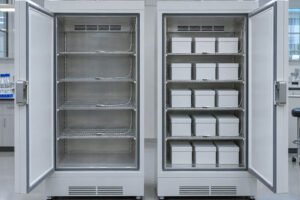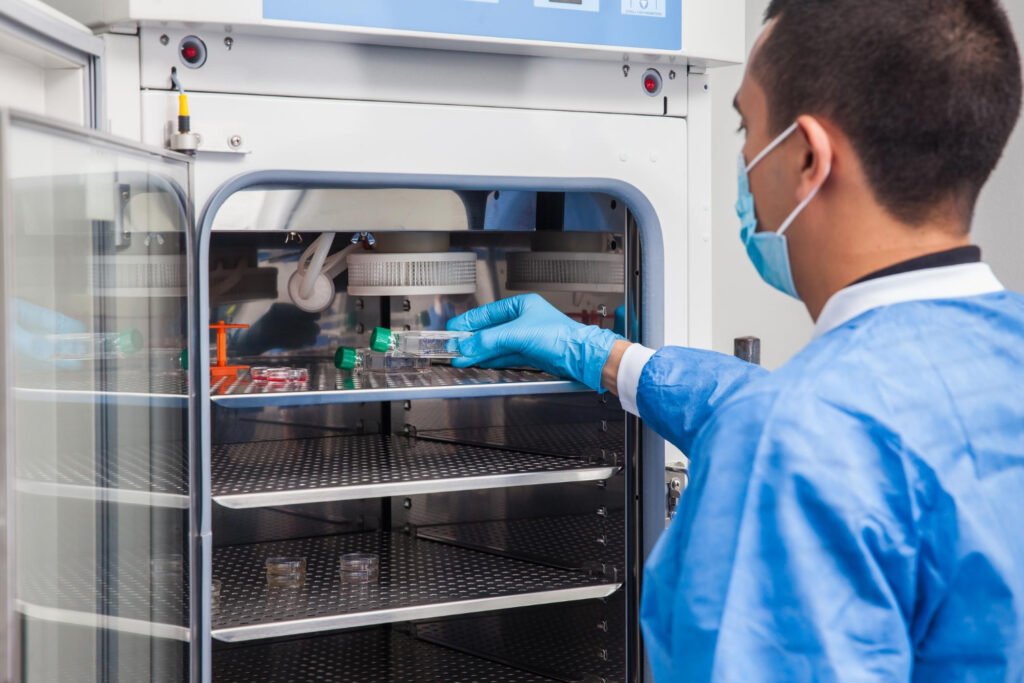
Refrigerator temperature mapping helps GMP facilities find storage risks before they turn into product-quality events. Late fall and winter are practical times to reassess refrigerated storage because outside air temperatures, HVAC behavior, dock activity, loading patterns, and power reliability can all affect how a unit performs.
At Qualified Controls, we see why a refrigerator’s front display is not enough on its own. One control sensor may show an acceptable reading while a shelf near a door, vent, corner, or defrost area experiences temperatures outside the approved range. A seasonal study helps you understand those conditions, document them, and maintain control as winter operating conditions set in.
Plan a Refrigerator Temperature Mapping Study
Refrigerator temperature mapping is a controlled qualification study. Its purpose is to show that a refrigerator can maintain the required temperature range throughout its usable storage space under defined conditions. The approved range should come from product labels, material specifications, quality risk assessments, and site procedures. There is no single temperature range that fits every GMP application.
For raw materials, in-process materials, finished drug product, reference standards, or stability samples, the study should identify warm and cold locations, recovery times, and operating conditions that may create risk. That information helps you decide where materials can be stored safely and where extra controls may be needed.
A clear protocol should define the work before data collection begins. We recommend including:
- Refrigerator identification, intended use, and approved operating range
- Sensor locations, sampling interval, study duration, and acceptance criteria
- Load condition, door-opening scenarios, alarm settings, and expected recovery behavior
- Responsibilities for execution, deviation handling, Quality Assurance review, and approval
Sensor placement matters as much as the protocol itself. Calibrated sensors should have certificates documenting calibrations performed through ISO 17025 accredited laboratories. We place sensors at likely risk points, including upper and lower shelves, corners, near doors, supply vents, return air paths, and locations affected by defrost equipment or frequent access. A reference sensor may also be appropriate, depending on the study design and site procedure.
Test Winter Conditions That Affect Refrigerator Performance
Cold weather can change the room around a refrigerator in ways that are easy to miss. HVAC systems may cycle differently, cold air may enter through nearby docks or doors, and the ambient temperature around the unit may shift. Before mapping begins, we recommend confirming that the installation environment remains within the refrigerator manufacturer’s stated operating conditions.
Seasonal refrigerator temperature mapping should reflect how the unit is actually used. A lightly loaded refrigerator may behave differently than one packed with materials, and frequent door access can create short temperature spikes that a static test never captures. Rather than forcing a failure, the goal is to understand normal stress points and confirm that the unit recovers as expected.
Representative scenarios may include:
- Normal storage load, along with low-load or high-load conditions when risk justifies testing
- Routine material retrieval, restocking, and periods of frequent operator access
- Automatic defrost cycles and the temperature behavior before, during, and after defrost
- Recovery after door openings, alarm events, backup power transfer, or permitted short power interruptions
These dynamic events can reveal zones that should remain empty, have limited storage use, or require closer monitoring. They can also show whether an alarm delay is appropriate for normal access activity or whether it could mask a real excursion.
Turn Mapping Results Into GMP Validation Evidence
A mapping study is only as useful as its documentation. The final report should compare recorded temperatures to the predefined acceptance criteria, identify deviations, and document any investigation, corrective action, or repeat testing. Before the refrigerator is released for its intended use, Quality should be able to review a complete record of what was tested, what happened, and why the conclusion is justified.
We connect refrigerator temperature mapping to the broader validation lifecycle:
- Installation Qualification confirms the refrigerator and monitoring components are installed as specified.
- Operational Qualification verifies alarms, sensors, communications, and expected equipment functions.
- Performance Qualification shows that the refrigerator performs consistently under representative operating conditions.
Electronic records need the same level of control as paper records. When mapping data and continuous monitoring records are maintained electronically, we help facilities evaluate applicable 21 CFR Part 11 controls, including 21 CFR 11.10(b), (e) requirements for secure record availability, record retention, audit trails, and access controls, as well as site review procedures. The completed report should clearly identify the approved protocol, calibrated equipment, raw data source, deviations, approvals, and final Quality decision.
Maintain Control with Continuous Monitoring and Change Management
Mapping is a qualification activity, not a replacement for continuous monitoring. The study shows how temperatures are distributed during a defined period. Continuous monitoring gives you ongoing evidence of equipment performance and helps you detect excursions, drift, or changes in the environment that could affect stored GMP materials.
A validated monitoring system can provide continuous temperature data, configurable alerts, alarm escalation, and audit-ready reporting. Predictive alerts can also help identify equipment that may be drifting toward failure before an excursion affects product. Through our MySirius software, monitoring data can be integrated with LIMS, ERP, and QMS platforms through an API when your site needs connected records.
Calibration planning also deserves attention after mapping is complete. Hot-swap pre-calibrated sensors support continuity by allowing teams to replace a sensor without creating a monitoring gap or requiring an on-site calibration visit. That approach can help keep the monitoring program aligned with your approved procedures while the refrigerator remains in service.
Re-mapping should be managed through change control. Common triggers include refrigerator relocation, major repair, compressor replacement, revised shelving, a different storage configuration, changed temperature setpoints, new loading practices, or a significant shift in the surrounding HVAC environment.
Schedule Seasonal Review Before Winter Conditions Settle In
Before winter conditions become routine, review whether each refrigerator’s current qualification still reflects its intended use, storage layout, operating environment, and monitoring strategy. Confirm sensor placement, calibration status, alarm settings, and available continuous monitoring records. If the unit’s use or environment has changed, document the assessment through change control and determine whether re-mapping is warranted.
A risk-based winter plan gives Quality and Validation teams a practical way to protect stored materials. By defining the refrigerators that need seasonal review, testing realistic operating conditions, documenting results clearly, and maintaining continuous records, you create stronger evidence for GMP audits and inspections while keeping product storage under control.
Maintain Reliable Evidence Through Seasonal Changes
Qualified Controls helps GMP facilities strengthen seasonal controls with validated continuous monitoring, audit-ready records, and practical support for change control. Get help with refrigerator temperature mapping that reflects your equipment, storage requirements, and winter operating conditions. Our team can also help maintain validated monitoring through software upgrades and calibration cycles.