
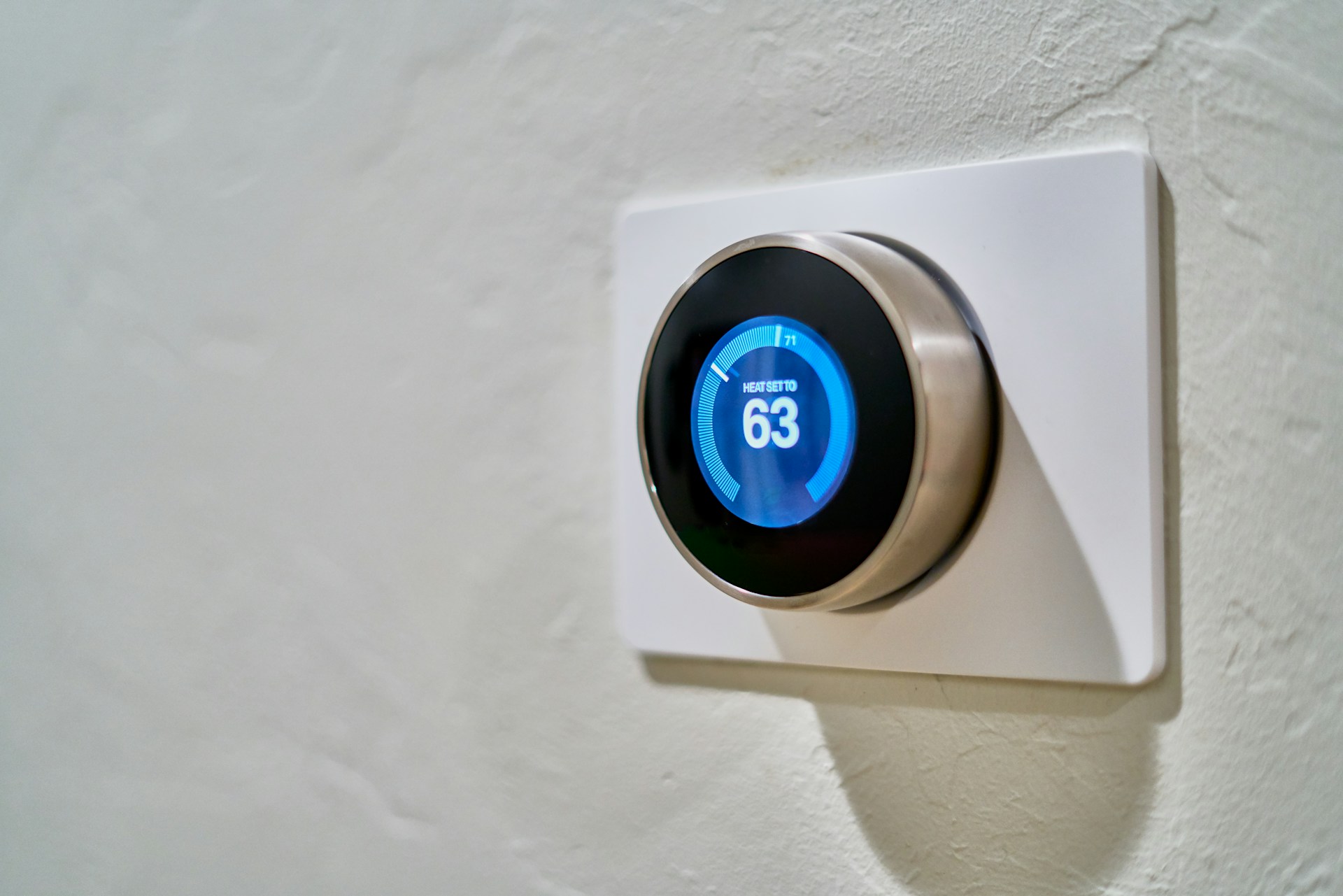
Smart sensors play a critical role in our everyday world, particularly in managing temperature for sensitive environments like medical facilities. These sensors keep everything from blood products in hospitals to medications in pharmacies at precise temperatures. They help prevent spoilage, ensure safety, and meet strict regulatory requirements. When smart sensors work seamlessly, they save time and reduce stress by offering real-time monitoring and alerts. But when they fail, it can cause significant disruptions. Understanding why smart sensors sometimes stumble is the first step to solving issues and ensuring they’re back to running smoothly.
Even the most sophisticated sensors can face hiccups. It’s frustrating to see a tool you depend on not performing as expected. However, when you understand the root of these problems, you can address them with more confidence. Let’s dive into the reasons behind these failures and how you can fix them to maintain a safe and efficient environment.
Common Reasons Why Smart Sensors Fail
Smart sensors are designed to be reliable, but a few common problems can still crop up:
1. Incorrect Installation or Setup
– Sometimes, the issues start right from the get-go if the sensor isn’t installed correctly. If it hasn’t been set up according to the manufacturer’s guidelines, it can lead to inaccurate readings or even no readings at all. Checking alignment and ensuring that the sensor is in its correct position can often solve this problem.
2. Software Glitches or Outdated Firmware
– Software is the brain behind smart sensors, and it needs to be up-to-date. Old software can cause glitches, leading to incorrect data or failure in communication. It’s like trying to run a new app on an outdated smartphone—it just doesn’t work well. Regular software updates are necessary to keep these devices functioning optimally.
3. Environmental Factors
– External conditions can throw off sensors. Dust, humidity, or extreme temperatures can interfere and affect accuracy. It’s important to place sensors in conditions they were designed for or to alleviate the impacts where possible.
4. Battery or Power Supply Issues
– Often overlooked, power supply issues can also cause sensors to fail. A low battery or unstable power source might interrupt performance. Ensuring that the sensors have a stable and sufficient power supply is crucial to prevent unexpected shutdowns.
Recognizing these common snags is crucial for maintaining the dependability of smart sensors in crucial settings. By proactively managing these issues, you not only ensure ongoing operation but also support the health and safety protocols of your facility. With a clear understanding of potential problems, you’re better equipped to take the necessary steps towards troubleshooting and resolving smart sensor issues effectively.
Troubleshooting Smart Sensor Temperature Problems
To keep things working smoothly, addressing each potential issue is key. First, take a look at how the sensor is set up. Make sure it’s installed correctly and positioned according to the guidelines provided by the manufacturer. This simple check often solves the problem when sensors aren’t reading accurately. If placement isn’t the issue, the software might need attention. Updating or resetting the software or firmware can fix glitches. You might compare this step to running updates on your phone—it keeps everything running as it should.
Environmental factors can be a bit trickier. If dust or humidity is affecting the performance of your smart sensor, consider repositioning it or using protective covers designed for such situations. Also, ensure that the sensor is within its designed operating conditions. Lastly, don’t forget about power supply checks. Confirm that the sensor’s power source is stable and sufficient. Replacing batteries or fixing power connections routinely can prevent unexpected shutdowns.
Preventive Measures to Avoid Smart Sensor Failures
It’s always better to stop issues before they start. Routine maintenance and regular check-ups are crucial. Schedule inspections as part of your usual upkeep. These steps can help catch potential failures before they impact your operation. Establishing strong network connections is equally important. This step boosts the sensor’s performance and data reliability.
Employee training is another important aspect. Ensure team members know how to use and care for the sensors. Training reduces misuse which can cause failures. Lastly, invest in sturdy components and verify their compatibility with existing systems. Quality parts last longer and perform better, safeguarding your setup.
How Qualified Controls Can Help
Qualified Controls specializes in real-time automated temperature monitoring and alerting. Their expertise ensures reliability and simplifies troubleshooting through innovative sensors and software. These solutions are ideal for medical and healthcare settings in Durham, NC, offering unique features to maintain optimal storage conditions.
Keeping Your Healthcare Facility Running Smoothly with Smart Sensors
Maintaining a seamless operation with smart sensors is not just a technical task; it’s about ensuring safety and compliance in medical storage. Properly functioning sensors safeguard the quality and viability of stored items, reducing risks to patients. Preventive maintenance and smart troubleshooting strategies keep everything on track, avoiding potential disruptions that might compromise safety.
Adopting these practices ensures that smart sensors work effectively, maintaining optimal conditions for sensitive environments. Such diligence reflects a commitment to safety and quality in healthcare operations. By focusing on the right steps, facilities can protect their resources and ensure their systems meet rigorous standards consistently.
For healthcare facilities looking to maintain high standards in temperature-sensitive environments, consider optimizing your operations with reliable solutions from Qualified Controls. Discover how smart sensor temperature monitoring can enhance your facility’s performance and ensure compliance with safety standards.