
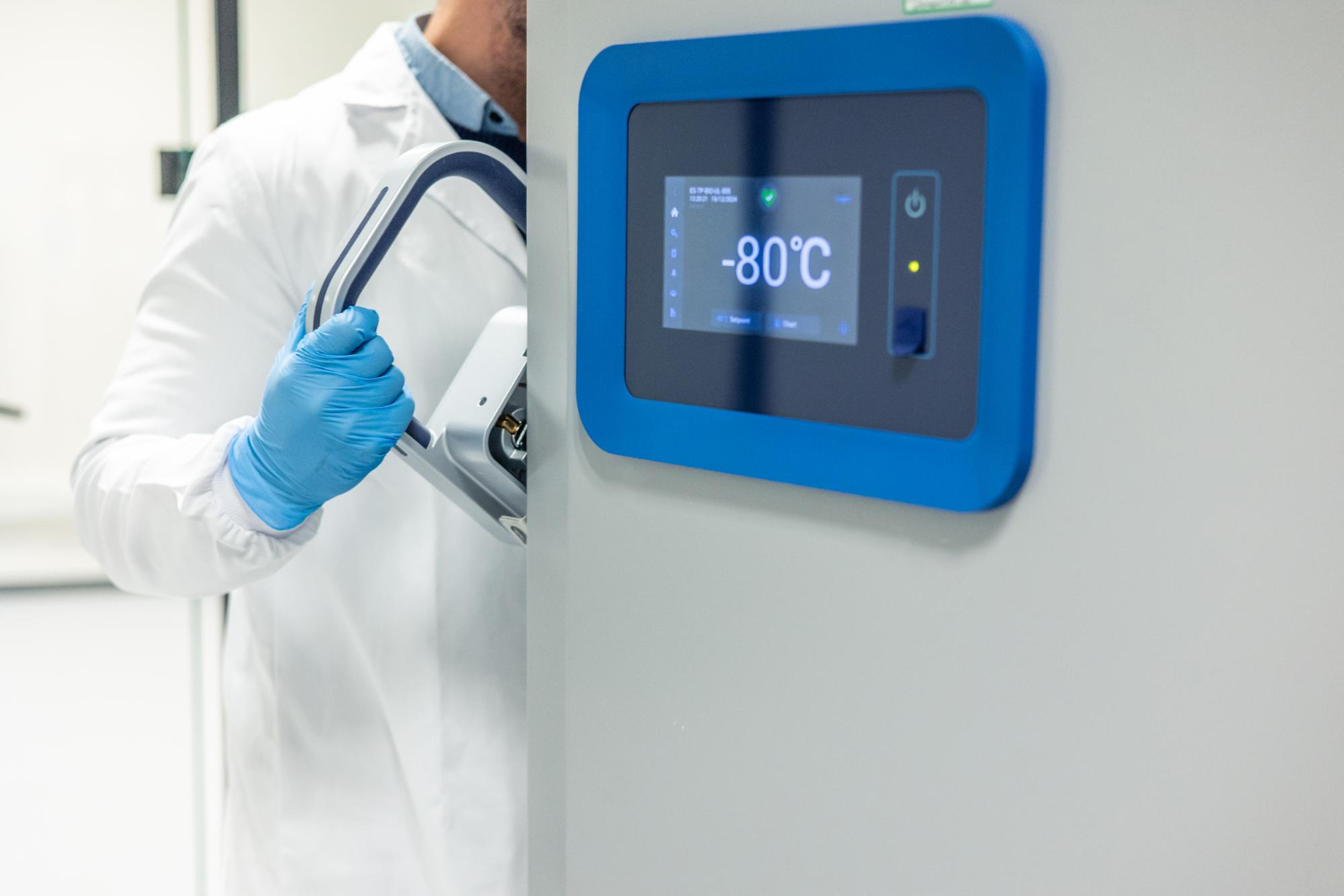
Temperature can quietly affect nearly everything in a healthcare setting. From the moment blood is collected to the time a patient receives their medication, stable temperatures are key. That’s why using a smart sensor temperature system makes sense. It’s not just about numbers on a screen. It’s about keeping critical supplies safe without guessing or delay.
In hospitals and medical centers, there are a lot of moving parts. Medications, vaccines, meals, and medical samples all carry their own rules when it comes to how cold or warm they need to be. Using smart sensors helps catch problems before they turn into bigger issues. And in places like Durham, NC, where spring weather can be hard to predict, staying ahead of those shifts is a big win.
Smart temperature tools give us a better view of what’s happening across storage rooms, labs, and transport areas. Real-time alerts mean no waiting for someone to notice a problem. That speed and visibility help us meet safety expectations and keep patients out of harm’s way.
Smart Temperature Monitoring in Hospitals
Hospitals use a wide range of cold and warm storage for different needs. Our medication fridges may hold chemotherapy drugs that can’t get too warm. Blood samples waiting for testing need steady, cold storage temperatures. And patient meal areas need to make sure hot trays stay hot and chilled items stay cold.
Smart sensors help us check all these zones at once without relying on paper logs or someone remembering to check a thermometer at the end of their shift. When a temperature goes too high or drops too low, the system flags it and sends out a message right away.
- This helps meet safety rules from the FDA, the CDC, and the Joint Commission
- It reduces the chance of losing expensive medicine or putting patient safety at risk
- Time-stamped logs are easy to share during inspections
- If something starts to go wrong, we’ll know before it affects the patient
A smart sensor temperature system takes the guesswork out of tracking. It’s a backup we can count on, quietly working in the background while we focus on patient care. Qualified Controls provides both wireless and wired sensors, which can monitor temperature, humidity, and other conditions from a single dashboard and deliver real-time alerts to our mobile devices or computers.
Protecting Blood Products with Smart Sensors
Blood products come with tight rules about how cold they need to stay. Whole blood, red cells, plasma, and platelets all have their own temperature range. A small change in storage conditions can make them unsafe to use. That’s why blood banks rely heavily on good monitoring.
Smart sensors let us set up temperature alerts down to the degree. We can track every cooler, fridge, or box used for storage or transport. If something falls out of range, the sensor lets us know right away so we can take action.
- Platelets usually need to be kept at room temperature but constantly agitated
- Plasma is stored frozen and must stay that way until it’s thawed for use
- Red cells need standard refrigeration that doesn’t tip too high or low
Without sensors, a door left open too long or a power issue could ruin an entire supply. But real-time alerts mean less risk of waste and more peace of mind during inspections from the AABB or FDA. With Qualified Controls’ automated monitoring and audit-ready digital logs, we’re ready for both daily safety checks and regulatory reviews.
Smart Sensors in Tissue Banks
Tissue banks hold materials that give patients a second chance, from donated bones for surgeries to skin used for burn recovery. Just like blood, this material must stay within very specific temperature zones.
Changes in freezing temperature can break down tissue quality, and with some donations being very rare, losing them hits hard. Keeping conditions steady matters, even when no one is in the room. A smart sensor temperature system fills the gaps between manual checks and adds a layer of protection.
- Tissues like corneas, tendons, bones, and heart valves all have different temperature needs
- Moving items from storage to another room, even briefly, can cause unsafe shifts if not monitored
- Automatic digital logs record all temperature data and can be shared during audits
- No need to rely on handwritten notes or memory when something goes wrong
When sensors are always watching, we’re able to respond quickly to protect both the material and the patient it may help someday.
Spring Challenges and Why Monitoring Matters More
Spring weather can be tricky in Durham, NC. One day you might need a jacket. The next, it feels like summer. These swings in outdoor temperature can creep into indoor areas too, especially if doors are being opened often or cooling systems are struggling to keep up.
We’ve noticed how even delivery trucks or backup generators can suddenly be pushed beyond their limits when the heat starts to stick around. That’s why spring is a time when temperature monitoring matters more, not less.
- Fridges that were steady in winter may need adjustment when spring heat arrives
- Meal transport carts kept near open areas can warm up quickly
- Equipment cooling rooms or labs may need extra attention
- Deliveries left out too long in the sun can warm before we even bring them inside
With smart sensors in place, we don’t have to wait until someone feels the heat. The system gives us alerts if a room or cooler starts running warm. This gives us time to act before a small issue becomes a safety risk. Our custom system setups at Qualified Controls allow us to easily add or move sensors to cover new problem areas as they arise with the shift from winter to spring.
Better Control Means Better Safety
Whether we’re handling medication, blood, or tissue, having steady temperatures keeps people safe. It takes a lot of moving parts to make that happen day after day. That’s where smart temperature monitoring does its best work: providing an extra layer of protection without slowing us down.
By keeping watch all the time and giving useful alerts when something shifts, smart sensors help support our daily work. They fit into our routines without extra effort and give us reliable records when someone needs to check that everything stayed in the safe zone.
These tools give us more control over the small things that make a big difference. When we know that our storage is holding steady, even as spring causes things to warm up outside, we get back time and focus to spend where it matters most: caring for people.
Managing medical storage in Durham, NC, requires vigilance, especially as temperatures change this spring. With a reliable smart sensor temperature system, you can confidently keep medications, blood, and tissue within their ideal ranges and move beyond guesswork. At Qualified Controls, we make monitoring simple and dependable so you can focus on what matters most. Let’s discuss how you can upgrade your medical storage monitoring, contact us to get started.