
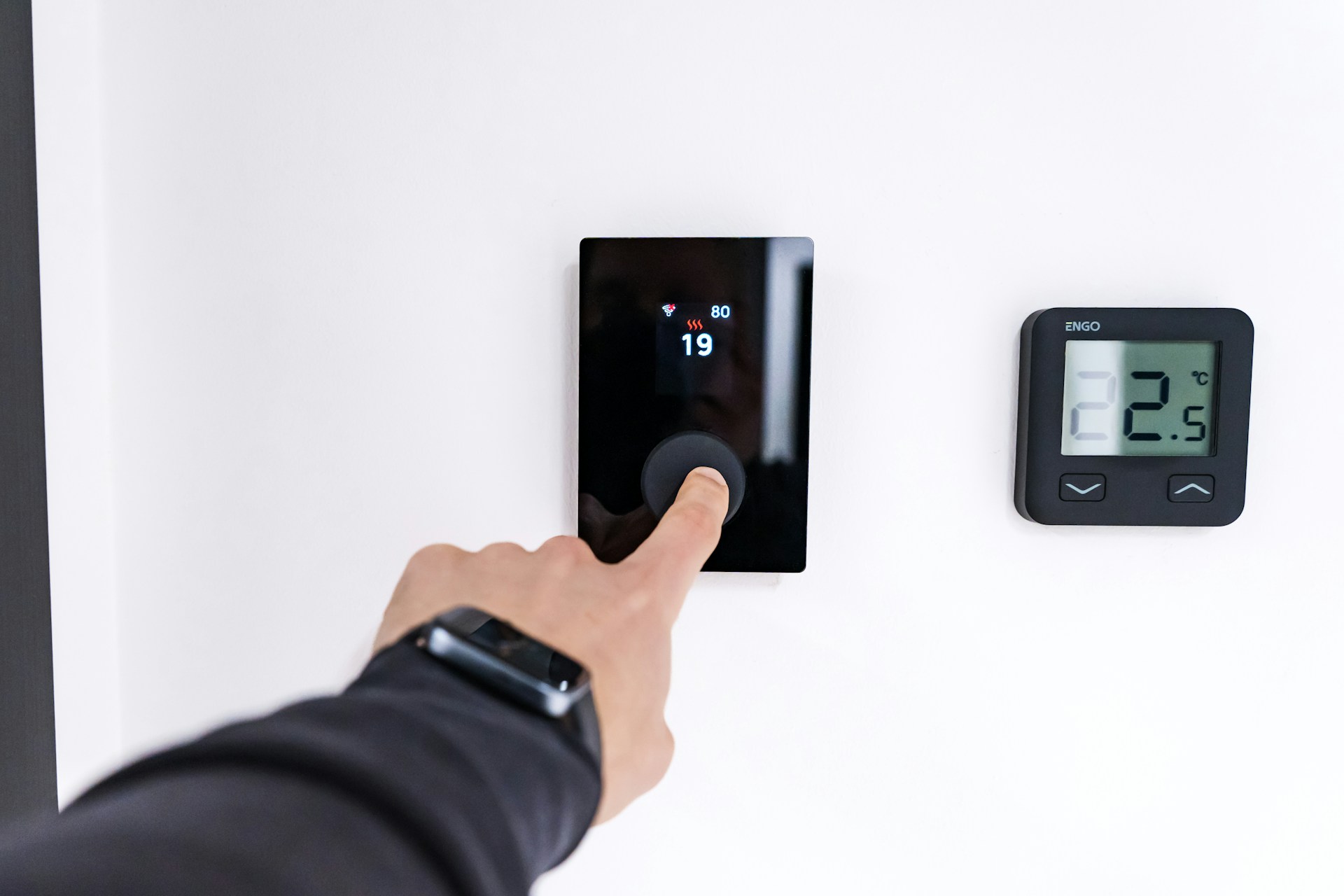
Hidden Risks of “Set It and Forget It” Temperature Monitoring
Remote temperature sensors feel like a safety net. You install them, connect the app, see a few graphs, and it is easy to think the job is done. Then a winter storm hits, or the first spring heat wave rolls through, and a freezer drifts out of range while no one is watching. By the time someone notices, the product is questionable and records are a mess.
That is the gap between “remote sensors plus an app” and real protection. Sensors are only the start. Keeping monitoring accurate, compliant, and ready for whatever the weather does next takes ongoing work. Temperature monitoring managed services step into that gap so your system stays tuned, your team gets the right alerts, and your records stand up during audits.
Where Standalone Remote Monitoring Falls Short
Standard remote systems stream data all day, but data alone does not tell you what to do. Without expert review, it is hard to know what “normal” should look like in summer compared to winter, or how a humidity rise might affect a certain product.
Common problems show up fast:
- Data with no clear context
- Alarm thresholds set once and left alone
- No one checking for patterns over seasons
When thresholds never change, alarm fatigue grows. As spring brings more humidity and warmer days, units cycle more often. You might get more alarms, many of them minor, until staff start to tune them out or silence them.
Alert handling is another weak spot. We often see:
- All alerts going to one person’s phone
- No backup if that person is off or asleep
- No clear escalation plan for nights and weekends
On top of that, power blips, network drops, or a failed gateway can quietly shut down alerts. If no one is checking system health, you may not realize that alarms have stopped until you walk into a warm room or a thawed freezer.
Documentation can be just as tricky. Many systems log data, but they do not organize it in a way that is easy to defend during an audit. You might find:
- Gaps in records during seasonal equipment work
- Time stamps that do not line up across devices
- No clear audit trail for who changed what
When an excursion happens, it can be hard to rebuild the story months later. That slows investigations and raises questions you would rather avoid.
How Temperature Monitoring Managed Services Close the Gaps
Temperature monitoring managed services add people and process around your technology. Instead of your staff trying to manage everything on the side, a dedicated team keeps the system healthy and tuned, especially when seasons shift and HVAC loads change.
Key ongoing tasks include:
- Verifying sensors are online and reporting
- Watching battery life and signal strength
- Keeping firmware updated
- Reviewing thresholds as weather and usage change
This kind of care is especially helpful around spring and summer, when warmer days and higher humidity push coolers, freezers, and HVAC systems harder than during winter.
Alarm configuration is another big area where managed services help. Rather than a one-time setup, alarms are:
- Tied to specific products and storage guidelines
- Tuned to reduce false alarms without ignoring real risk
- Set up with clear primary and backup contacts
Well-defined escalation workflows cover nights, weekends, holidays, and storm events. Everyone knows who acts first, who is next in line, and how responses should be documented.
On the compliance side, managed services focus on clean, audit-ready records. That includes:
- Keeping time synchronized across sensors and gateways
- Managing user access and change history
- Organizing data by site, asset, and event type
When it is time for an inspection, you can pull reports by date range, location, or incident, along with calibration histories. Long-term backups add another layer of security if questions come up later.
Real-World Impact Across Seasons and Industries
Different industries feel seasonal swings in different ways, but the pattern is the same: risk goes up when conditions change. In life science and healthcare spaces, that can affect vaccines, biologics, reagents, and patient samples any time of year.
Winter storms can cause power outages that strain backup systems. In spring, rising humidity can affect sensitive materials. By mid-summer, HVAC and refrigeration are under steady stress. Managed services help keep alarm rules, documentation, and response steps consistent across labs, pharmacies, and clinical areas so inspections are smoother and staff know exactly what to do.
Food, cold chain, and warehouse operations face their own seasonal trouble spots:
- Summer heat pushing refrigeration to the edge
- Loading dock temperature swings when doors stay open
- Icing in colder months that hides airflow problems
When a managed services team looks at your environmental data next to your operating schedules and delivery times, they can flag patterns, like the same cooler warming up every afternoon when trucks arrive. That gives you time to fix root causes before they turn into product loss.
Multi-site and remote locations add another challenge. Different teams may follow different habits, and some sites might have no one on-site overnight. Centralized managed services bring all those locations under one set of practices, with consistent alerting and reporting so leadership has clear visibility across the full portfolio, not just the main campus.
Choosing a Managed Service Partner That Actually Reduces Risk
Not all providers of temperature monitoring managed services work the same way. Hardware and software matter, but what truly lowers risk is how the service team supports you day to day.
Helpful things to look for include:
- Real experience in regulated and inspected environments
- Documented service level agreements (SLAs)
- Around-the-clock monitoring options
- A clear approach to seasonal risk reviews
It is also helpful when one provider can offer calibrated sensors, secure cloud software, and managed services together. That keeps responsibility in one place and cuts down on finger pointing if something needs attention.
When you talk with a provider, ask direct questions, such as:
- Who watches my alarms at 2 a.m.?
- How often do you review thresholds and alarm rules?
- How do you handle calibration and sensor replacement?
- What happens if the network or power fails?
Ask to see sample reports and audit support examples from similar environments. That gives you a sense of how they think about risk and how clear their records really are.
You will also want to define how the service fits with your internal team. For example:
- Who owns and updates SOPs?
- Who documents corrective actions when alarms fire?
- Who keeps contact lists and seasonal procedures up to date?
A good model lets your staff focus on decisions and actions, while the managed service team handles daily monitoring, configuration, records, and system health.
Turn Passive Monitoring Into Proactive Protection This Year
As we move from colder months into spring and summer, temperature swings, humidity changes, and heavier HVAC loads all raise the odds of excursions. Remote sensors and basic alerts are helpful, but on their own they do not fully protect high-value inventory, patient safety, or regulatory standing.
A smart next step is to review your current setup. Map out which assets are monitored, who gets which alerts, and how escalation works after hours. Look at your records and ask if they would satisfy a careful auditor. From there, you can decide where temperature monitoring managed services would add the most value, such as a pilot in your most critical spaces.
At Qualified Controls, we bring together calibrated wireless sensors, cloud software, and managed services to give organizations consistent oversight, timely alerts, and compliance-ready records through every season.
Protect Your Critical Inventory With Proactive Monitoring
When your products and patients depend on precise temperature control, you cannot afford gaps in oversight. Our team at Qualified Controls provides tailored temperature monitoring managed services so you can stay ahead of risks, not just react to them. Let us help you streamline compliance, simplify audits, and reduce the burden on your staff. Reach out today so we can discuss a monitoring strategy that fits your operational, regulatory, and budget requirements.