
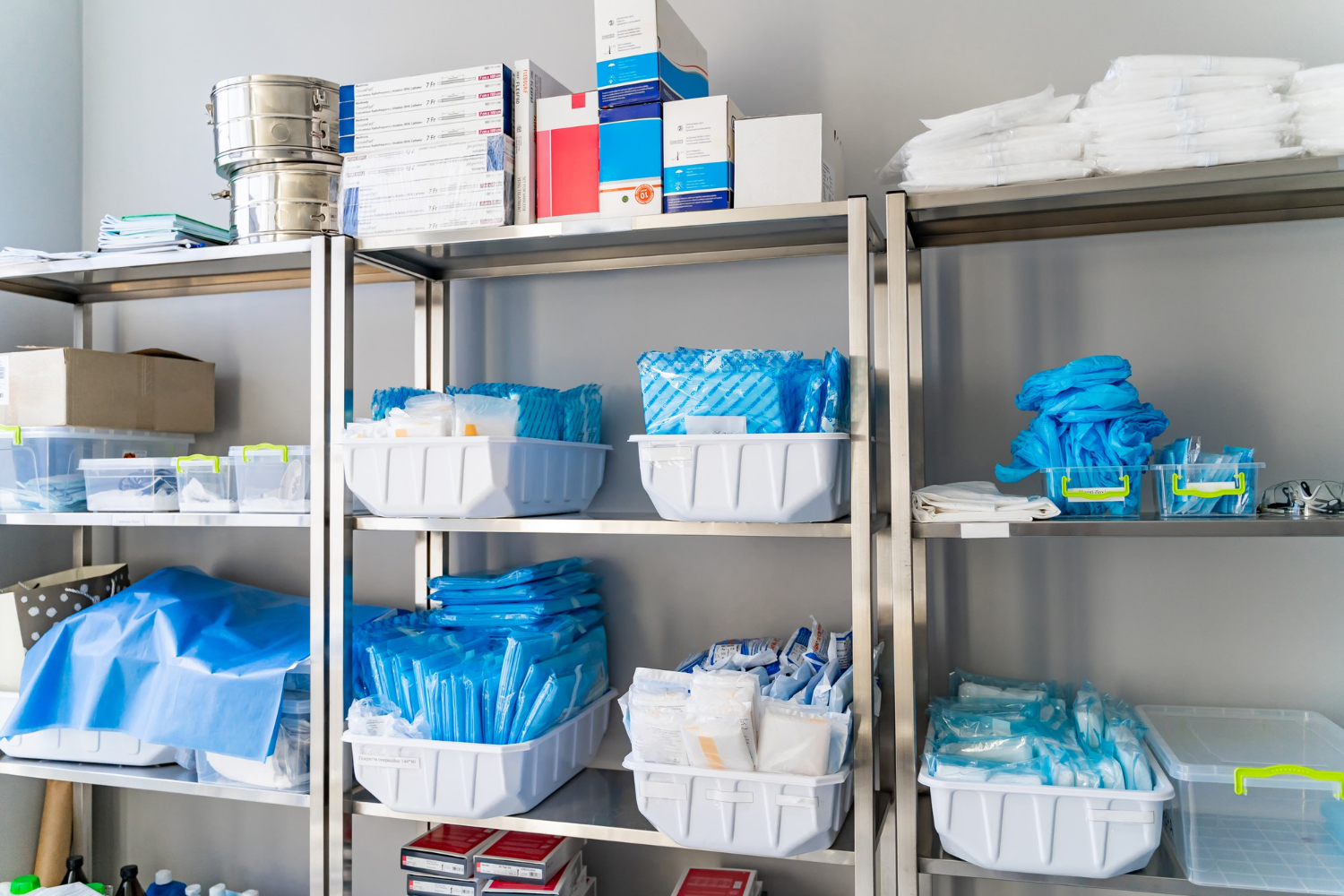
Warehouses that store delicate medical supplies, like blood or tissue, need more than just basic cooling. Every corner of the space has to stay at the right temperature, all day, every day. That’s where a temperature mapping warehouse approach comes in. It helps us check how the temperature really behaves, not just around the thermostat, but throughout the whole space.
This is an important step, especially in spring. Temperatures can swing fast and unevenly during this time in Durham, NC. When the air warms up, it doesn’t always do so evenly across a large room. Heat from the sun, outside doors opening more often, and rising humidity all come into play. Knowing how and where these changes happen helps us protect what we store, whether that’s blood units, tissue samples, or medications.
Why Temperature Mapping Matters in Healthcare Storage
Medical supplies don’t all need the same temperature. Each product has its own safe range, and one wrong stretch of heat or cold can render it useless. Things like red blood cells, corneas, or vaccines need consistent conditions to stay safe for use. This becomes harder to guarantee if parts of a warehouse drift out of range without us knowing.
Here’s the challenge. Temperature doesn’t stay the same across every corner of a storage space. It can change depending on a few key factors:
- Airflow in the room (some areas might get more cool air than others)
- Direct sunlight through windows or thin walls
- Foot traffic near doors that open often
When we use temperature mapping, we find those spots where problems can start. Then we can fix them before products go bad or audits point them out. That makes a big difference in keeping things safe and within regulation.
Key Steps in Mapping a Warehouse for Temperature Control
We start by getting a clear picture of how the storage space is used. That means looking at which products go where and how traffic or equipment might affect temperatures along the way. Once that’s laid out, we place sensors in all the right spots, not just where we think it’s warmest or coldest, but in a full pattern that covers the entire warehouse.
After that, things happen in stages:
- Temperature sensors stay in place and record data for a set period, usually several days or weeks.
- We keep an eye on the patterns and watch for any outliers. A corner might be running consistently warmer or cooler without anyone seeing it.
- Once the data is reviewed, adjustments can be made. That might mean moving inventory, changing airflow, or adding alerts.
By the end of the process, we have a map that shows how well the warehouse holds temperature, not just overall but in the places that matter most.
Storage Risks You Can Catch with Temperature Mapping
Some risks just aren’t easy to catch without full mapping. Everything can seem fine during a quick walk-through, but that doesn’t mean the data will agree. The real-time logs tell us the full story.
Temperature mapping can help reveal these types of issues:
- Poor airflow causing one side of a unit to be warmer than the other
- Equipment that sounds like it’s working but can’t hold the set temperature
- Weather shifts letting outside heat creep in through doors or weak insulation
These aren’t just technical flaws. They can put product safety and compliance at risk if not corrected. And sometimes they happen slowly, making it easy to overlook unless we’re actively tracking temperature over time.
With Qualified Controls, cloud-based monitoring solutions let you collect environment data warehouse-wide and access it from any device for trending and reporting. Our systems make it simple to spot weak spots and fix them as conditions change.
Warehouse Setups That Benefit Most from Mapping
Some facilities face more challenges than others when it comes to keeping temperatures in line. Warehouses used by blood banks, tissue banks, or hospitals often have varied storage zones and products with very different needs. Each of these setups benefits heavily from detailed mapping.
- Blood banks might store whole blood in one cooler, packed red cells in another, and platelets in a third. Each has different storage rules. Mapping helps us spot zones where those differences could cause problems.
- Tissue banks need consistent freezing for items like skin, bone, or corneas. These products can easily become unusable if one freezer runs a few degrees off for too long.
- Hospital storage areas often handle giant deliveries and shared spaces. That leads to more open doors, busy traffic, and shelves placed close to vents or walls. Every one of those things affects local temperatures.
During the spring months, when mild mornings shift into hot afternoons quickly, we need extra awareness of how indoor conditions change with outdoor ones. Temperature mapping shows us those patterns clearly.
In addition to these factors, even the amount of product stored on certain shelves may impact temperature flow and air circulation. For example, shelves packed too tightly can block airflow, making one portion of the warehouse much warmer than another. Similarly, boxes stacked high near the ceiling might be exposed to rising warm air, while floor-level goods might be kept cooler or be subjected to drafts.
Spring can also bring unpredictable power outages or short bursts of humidity. Both events have the potential to disrupt carefully balanced storage conditions, creating hidden risks for sensitive items. Keeping track of microclimates inside large warehouses is what makes temperature mapping such a valuable tool, catching trends and anomalies that would be impossible to see by hand or occasional spot checks.
Better Control Means Safer Storage
Once we know where the weak spots are, we can take real steps to control them. That might involve moving sensitive items to more stable parts of the room, sealing off areas that pull in outside heat, or fine-tuning our HVAC settings.
Mapping gives us the base knowledge. From there, automated systems help by continuing the job, collecting new data, logging changes, and alerting us when something goes wrong. Combined, this approach helps us stay one step ahead before a drop in power or a spike in heat becomes a bigger problem.
Qualified Controls offers a full-service approach to temperature mapping, from sensor placement strategy and setup through ongoing automated monitoring so weak spots are always easier to catch and correct.
In healthcare storage, it’s not just the supplies that are at stake. Mistakes can quickly make their way down the line to people who need those supplies the most. When we take temperature mapping seriously, we protect our inventory, meet inspection standards, and stay ready for what spring, or any season, might bring.
When your storage space in Durham, NC needs more precise monitoring to stay within safety limits, we can create a clear strategy that identifies temperature inconsistencies and keeps sensitive products protected year-round. Using real-world data, our team pinpoints where shifts occur so you always know when it’s time to act. Discover how a reliable setup supports compliance and safeguards your inventory by viewing our work with temperature mapping warehouse systems. Contact Qualified Controls today to start building a smarter, more secure solution for your facility.