
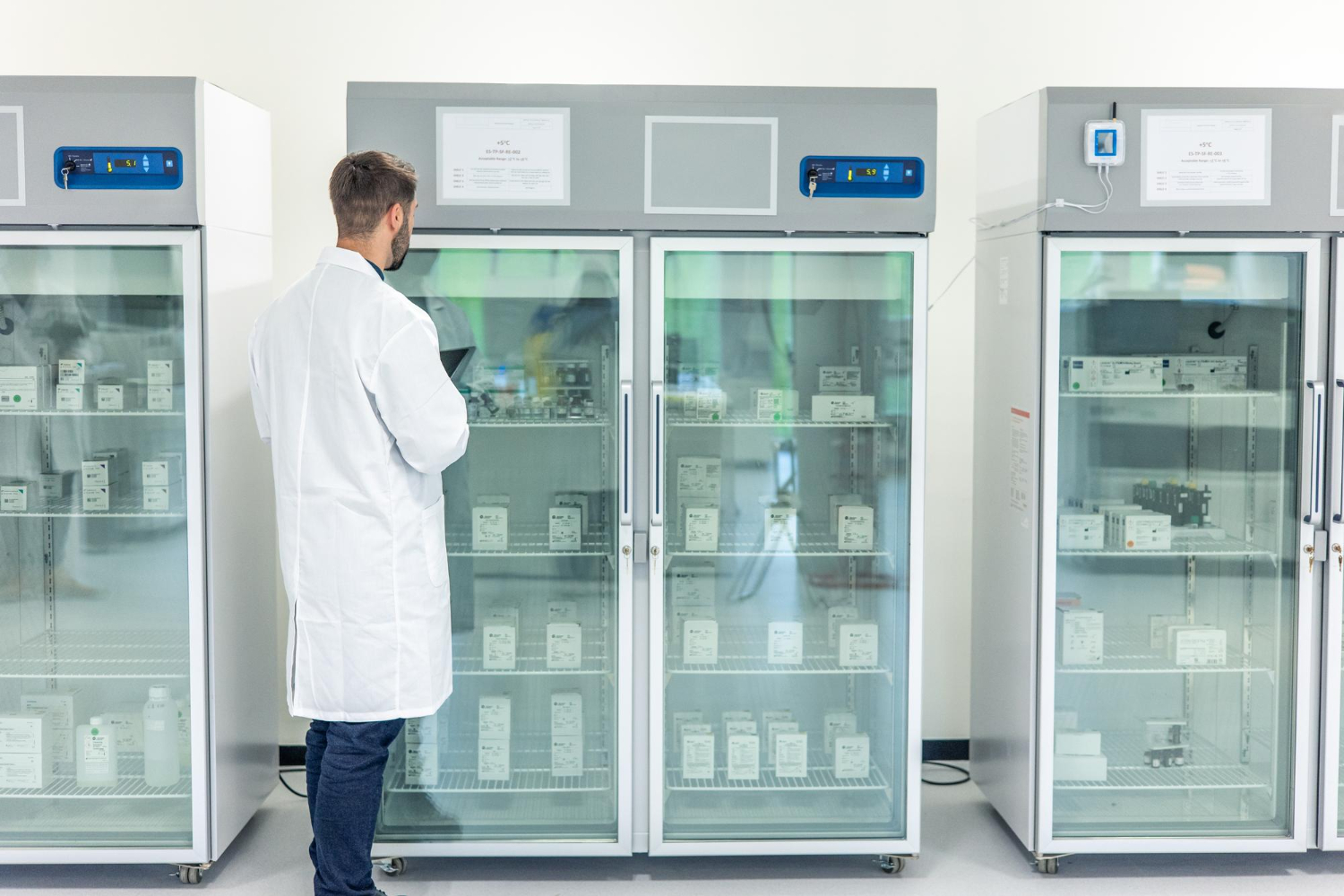
Protecting Medication Potency with Precise Cold Chain Control
Keeping hospital medications at the right temperature is not a “nice to have.” It is the difference between therapy that works as expected and therapy that quietly fails. For vaccines, insulin, biologics, and many specialty drugs, that usually means steady storage between 2 and 8 °C or as labeled by the manufacturer.
As spring turns into a hot, humid summer, refrigerators and freezers work a lot harder. Doors open more often, rooms warm up faster, and small problems can quickly push temperatures out of range. When that happens, you are not just risking product loss. You are also risking patient safety, repeat dosing, treatment delays, and a hit to trust if word gets out that medications were stored poorly.
A modern hospital refrigerator temperature monitoring system gives pharmacy, nursing, and facilities teams a shared set of eyes. With continuous data, rapid alerts, and audit-ready records, teams can act early, prove compliance, and spend less time worrying about what is happening inside closed doors.
Core Requirements of a Hospital-Grade Monitoring System
Not all monitoring setups are built for hospital use. A hospital-grade system is more than a few sensors and a spreadsheet. It is a full solution that is designed around regulated storage.
Key pieces usually include:
- NIST-traceable sensors that can be calibrated
- Probes that are installed and documented in a repeatable way
- Secure wireless devices that send data without relying on staff action
- Cloud software that is validated, backed up, and access-controlled
The system should work across different cold storage units, such as:
- Pharmacy refrigerators and freezers
- Vaccine storage units in clinics and outpatient areas
- Blood bank refrigerators and plasma freezers
- Medication rooms with small under-counter units
Hospitals often have a mix of older and newer equipment across multiple buildings. A flexible monitoring platform needs to fit that mixed fleet without forcing a full replacement of working units.
Regulatory and accreditation expectations shape how all of this is set up. Guidance from the CDC on vaccine storage, USP standards for temperature control, The Joint Commission, and state boards of pharmacy all point toward continuous monitoring, documentation, and clear alarm management. A hospital refrigerator temperature monitoring system should help you align with those expectations, not create more manual work.
Smart Sensor Placement for Reliable Temperature Data
Good data starts with smart sensor placement. If probes sit in the wrong spot, they tell the wrong story and may trigger alarms that do not match what your products really feel.
Some practical best practices are:
- Place probes away from walls, coils, and fans where air is less stable
- Keep them near the center of mass of stored product, not in open air near the door
- Match probe height to where the highest risk items sit, not the easiest place to reach
- Avoid tucking probes in corners where air may be warmer or colder than product
In high-value units, it often makes sense to use more than one probe. Multi-sensor setups can help with:
- Finding hot and cold spots during initial mapping
- Watching both the door area and the deeper product zones
- Covering larger walk-in units or vault-style refrigerators
Real hospital settings are tight and busy. Shelves are packed, bins move, and staff need fast access during medication pulls. A professional installation team can work alongside pharmacy and nursing to place probes in a way that.
- Reflects true product temperature
- Stays out of the way of daily work
- Stays consistent over time, even as staff rotate and stock changes
Why Glycol Buffers Matter More Than Raw Air Readings
Raw air readings change fast. Open the door, and air temperature near the front can swing in seconds. Your product, sealed in vials or bags, warms up much slower. That is where glycol or other thermal buffers come in.
With a glycol-buffered probe, the sensor tip sits inside a small bottle of liquid that reacts to temperature more like real product. This helps:
- Filter out very short spikes from quick door openings
- Reduce false alarms during defrost cycles or brief power bumps
- Focus attention on changes that are long enough to affect product quality
When units are monitored only with bare air probes, alarm fatigue tends to grow. Staff get alerts every time someone pulls a dose, restocks a shelf, or checks inventory. Over time, people start to ignore alerts, and the risk of missing a true excursion goes up.
To keep buffered probes reliable, it is important to:
- Use containers and liquids that are compatible with the environment
- Fill to the recommended level so thermal response is consistent
- Place the buffer where product actually sits
- Set a schedule to inspect, refresh, or replace buffers
- Document buffer use as part of the validated configuration for each unit
Door-Open Event Detection and Intelligent Alarm Logic
Door behavior tells a big part of the story. A refrigerator that runs slightly warm with constant door openings is very different from a unit that creeps up in temperature while closed.
Door-open detection can come from:
- Magnetic contact switches on doors
- Sensors with accelerometers that sense movement
- Other physical indicators tied back to the monitoring system
When you combine door data with temperature and time, you can write smarter alarm rules, such as:
- Delay certain alarms if the door is open but temperature returns to range quickly
- Trigger earlier warnings if the door is closed and temperature still rises
- Treat long door dwell times differently during busy clinics vs overnight
Seasonal shifts add more strain. Warmer ambient temperatures and higher vaccine volumes in spring and summer can push refrigerators harder. Dynamic alarm thresholds and time-based rules let hospitals support busy clinics without turning staff phones into constant noisemakers.
Building Compliance-Ready Alarm Escalation Workflows
Even the best sensors are only helpful when someone responds. Clear alarm workflows turn raw alerts into real action.
A strong program usually defines:
- Alarm levels, such as warning vs critical
- Expected response times for each level
- Who is on first response and who is next in the escalation path
- Different rules for daytime, nights, weekends, and holidays
Automated escalation through calls, texts, and emails can make sure coverage does not depend on a single person noticing a pop-up window. Central dashboards help pharmacy, nursing leadership, facilities, and biomedical engineering see the same truth in one place, instead of chasing separate logs.
For audits and internal reviews, documentation is key. A good monitoring platform should support:
- Complete alarm history, with timestamps and values
- Staff notes on actions taken and outcomes
- Recorded corrective actions and equipment service
- Excursion assessments that show which product was at risk and what was done
Surveyors often want to see not only that you have alarms, but that you respond in a consistent and documented way.
Turning Monitoring Into a Managed, Audit-Ready Advantage
Many hospitals still rely on manual logs, fridge dials, and a patchwork of tools across different departments. That approach can create blind spots, finger-pointing, and a lot of last-minute scrambling when inspectors visit, especially as summer heat puts systems under more pressure.
Transitioning to a unified, managed monitoring program brings everything under one roof: sensors, probes, wireless devices, cloud software, installation, calibration, and ongoing support. Instead of every area inventing its own method, hospitals can standardize across campuses and service lines.
At Qualified Controls, we focus on automated, compliant real-time monitoring for regulated environments, including hospital cold storage. Our goal is to help teams move from “hoping it is fine” to “knowing it is documented,” so high-value medications stay protected all year long, even during the hottest months and the busiest clinic days.
Protect Critical Inventory With Reliable Continuous Temperature Monitoring
If you are ready to reduce risk, safeguard medications, and simplify compliance, we can help you put the right controls in place. Our hospital refrigerator temperature monitoring system provides continuous visibility, automatic alerts, and detailed records so you are not relying on manual checks. At Qualified Controls, we work with your team to design a solution that fits your existing equipment and workflow. Reach out today so we can discuss your requirements and outline a clear implementation plan.