
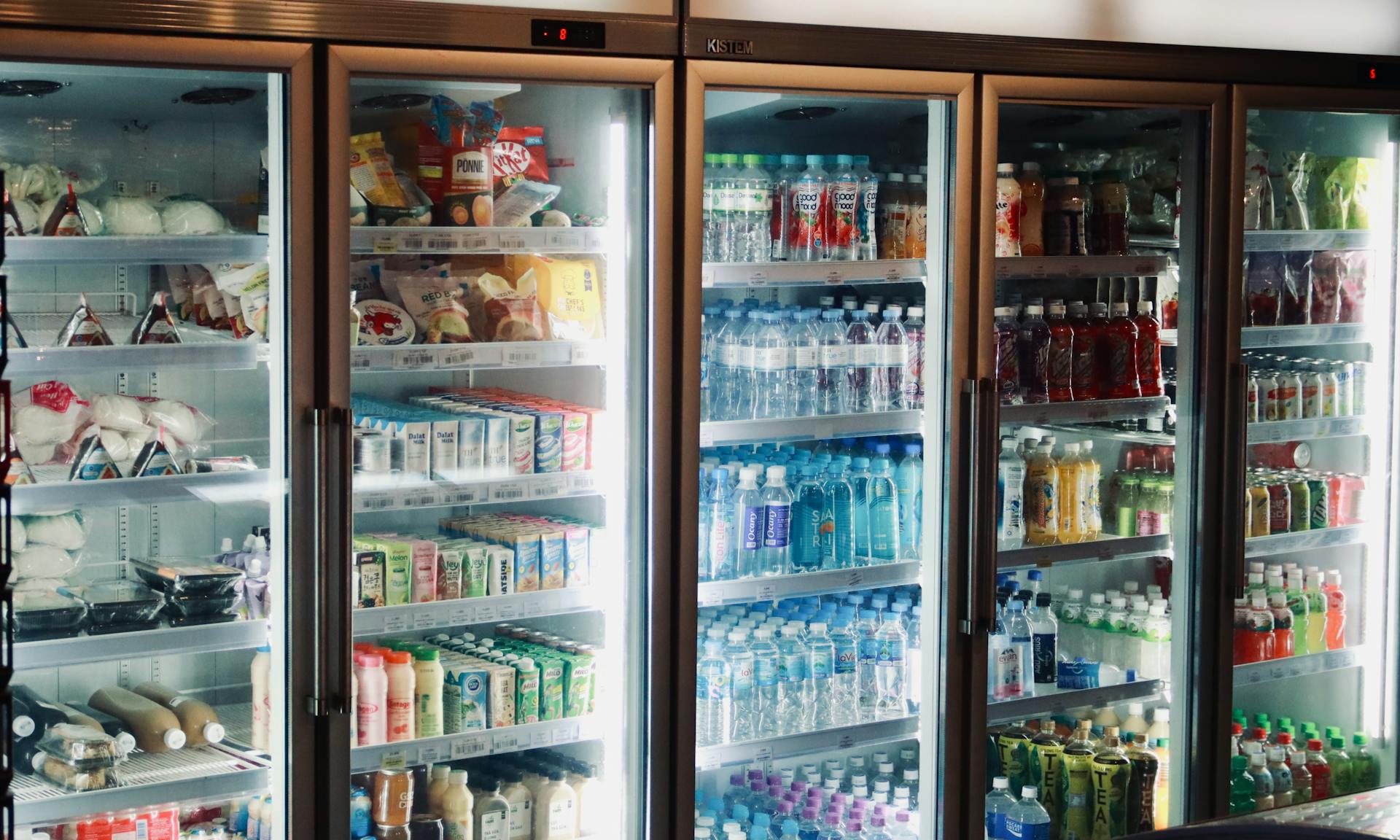
Spring in Durham, NC, can bring sudden shifts in temperature. We see warm afternoons followed by cool evenings, and while that might not seem like a big change, it can quietly put stress on our store equipment. A grocery store refrigeration system works around the clock to keep food at safe temperatures. When things start to slip, it isn’t always obvious at first.
If we catch the early signs of wear or trouble, we can avoid food loss, downtime, and upset customers. A little awareness goes a long way. That’s why spotting issues quickly is just as important as fixing them. Let’s walk through the signs that a refrigeration system might be struggling.
Common Warning Signs Equipment Is Struggling
Most mechanical systems give us clues before they fail. A refrigeration unit is no different. Listening for subtle changes and watching how things behave helps us react before small issues become serious ones.
- New or louder noises can point to trouble. Buzzing, clicking, or humming that weren’t there before often means a fan or compressor is working harder than it should.
- Ice where it doesn’t belong is another strong hint. Coils on the back end of coolers, around gaskets, or even inside cases may start to freeze up when air isn’t flowing right.
- Food that feels a little warm or spoils faster may not be getting cooled evenly. Something might be off even if the cooler still “sounds” like it’s running.
- If the compressor turns on and off too frequently, that could signal a deeper issue with sensors or refrigerant levels. This short cycling wears out parts faster too.
Visual Cues Staff Shouldn’t Miss
Everyday foot traffic and busy stocking schedules can make it easy to miss small changes. Still, we need to pay attention to how our refrigerated cases and walk-ins look during the day.
- Water pooling near cases or inside walk-ins is worth a second look. It’s not just a slipping hazard. It could mean a clog or a line that’s leaking.
- Frost or ice building up around door seals, hinges, or corners often means the door isn’t holding a full seal anymore. That’s a quick way for cold air to escape.
- Display case glass that stays foggy longer than expected might mean the defogger isn’t working or the humidity inside the case is rising.
- Lights that flicker, blink, or go dark completely can mean power issues or deeper control panel failures.
Temperature Fluctuations and Their Impact
Even small changes in temperature can change the shelf life of products, and not in a good way. Refrigerators are built to stay steady. When we see swings, especially over just a few hours, it can mean the system isn’t keeping up.
- Hot spots in an open-air fridge or reach-in cooler often show up as product loss first. Greens wilt, dairy sours, and meats just don’t look right.
- A cold blast in one part of the case, combined with a warm patch in another, can signal an airflow problem. Fans might be failing or blocked inside the unit.
- Staying alert to these shifts helps us avoid food waste and stay compliant with health regulations. It also keeps shoppers confident in the quality of the products we sell.
Better monitoring can show us these temperature variations clearly. By reviewing logs or using temperature mapping, we make it easier to catch patterns we may not notice in a busy day. When refrigerated stock starts to lose quality or moves off shelves faster than usual, it could be a sign there’s a problem with how air is circulating or how well the temperature is holding in key parts of the cooler.
How Monitoring Systems Catch Problems Earlier
Nobody can be everywhere at once. Busy days in stores mean staff have dozens of things on their list. That’s where monitoring systems become helpful anchors for food safety efforts.
- Real-time alerts give our team a chance to catch problems quickly. If a cooler slips just outside its range, we’ll know right away before anyone notices shelf changes.
- Logs over time let us look back and spot longer trends. Maybe a cooler dips more often after store close. That kind of data helps inform smarter maintenance.
- When a grocery store refrigeration system is tied into a smart monitoring setup, we don’t have to rely on someone remembering to write down the temps on a clipboard.
Qualified Controls offers systems that monitor temperature, humidity, and more, with instant alerts if there is a problem and dashboard access to storage trends to help stores take faster action before food safety is at risk.
These layers of awareness add up. They don’t replace regular upkeep, but they do catch what eyes alone might miss.
Sometimes, a pattern in the data tells us about a slowly developing failure well before a major breakdown. When summarized in a simple report, it’s easy for the team or a technician to see when a unit went out of range or how often temperature swings happened. This transparency gives us a stronger base to make decisions about repairs or scheduling maintenance with fewer surprises.
When It’s Time to Upgrade or Get Help
Every piece of equipment has a lifespan. If we’re calling for repairs more often or seeing the same problems pop up each quarter, it could be time to consider bigger changes.
- Frequent short cycling, ongoing ice buildup, and uneven cooling become red flags after the first fix doesn’t hold.
- Early spring in places like Durham, NC, is a good time to review system performance. It gives us a cushion before summer heat hits and loads rise sharply.
- If in-house teams struggle to isolate the issue or a problem returns after temporary repairs, calling for outside support makes sense. An extra set of eyes can help uncover core system issues that aren’t obvious from the surface.
Waiting for repeated breakdowns is risky. Addressing persistent challenges as soon as possible keeps our stores running safely. A proactive approach doesn’t just save money in the long run, it helps keep reliability high when business picks up, like during spring sales events or summer peaks.
Keep Food Fresh and Customers Happy
When staff knows what trouble looks like, they’re better prepared to act fast. Catching early signs saves money, preserves products, and limits disruptions that might affect customer trust.
- Quiet signs like off-cycle compressors or small puddles might not stand out right away, but when we build a habit of checking, they become easier to spot.
- One check-in now can prevent a full fridge failure next week. That attention keeps service steady, limits restocks, and avoids product loss.
- Staying ahead of wear and tear keeps stores running smoothly, especially during busy spring promotions or month-end crowds.
Some of these signs are simple to catch, others aren’t easy to see until we measure them with tools that monitor temperature or alert us to change. The more we watch, the faster we can respond. And that’s how we keep food fresh, safe, and ready for the shoppers who count on us.
When you notice early warning signs like frost on a seal or a cooler running too hot, small issues can quickly become costly repairs. Staying proactive helps keep food fresh and customers satisfied. A well-monitored grocery store refrigeration system makes it easy to spot and resolve potential problems, especially during the seasonal changes in Durham, NC. At Qualified Controls, we create solutions that help you respond quickly and confidently. Reach out today to discover how we can help your store run smoothly and worry-free.