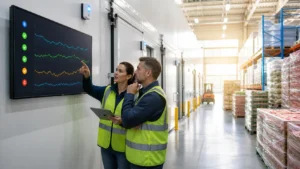
Temperature data loggers were never meant to carry the load many enterprises put on them today. When you are dealing with strict rules, fragile products, and the long supply chains, old tools can quietly create big risks. This guide walks through how to build a practical temperature data logger system replacement plan, lower risk while you switch, and make the whole effort pay off.
We will look at the trouble spots in legacy loggers, the features a modern system should include, and a step-by-step migration path. We will also cover how to keep data flowing during cutover and how to think about ROI so the project wins support across quality, operations, and IT.
Stopgap Tech Is Costing You More Than You Think
Many large organizations still lean on aging handheld or stand-alone data loggers. They seemed fine when you had fewer sites and less constant pressure from regulators, supply chain demands, and seasonal weather swings. Now that storage conditions are under stress day and night, those tools start to crack.
When summer heat waves hit or winter storms roll through, cold rooms, freezers, and loading docks are pushed to their limits. If your team has to plug in, download, and review data after the fact, you may not see a slow temperature drift until it has already harmed product quality or forced a tough decision.
A clear data logger replacement plan turns monitoring from a manual chore into a connected system that supports audits, early warning, and smart decisions. Instead of scrambling after an event, you gain real-time visibility and a platform that can grow with your business.
Why Legacy Data Loggers Are a Hidden Enterprise Risk
The first problem with old data loggers is the blind spots. They do not talk until someone touches them.
Common issues include:
- Manual downloads that get delayed or skipped during busy weeks
- Gaps in data over weekends, nights, holidays, and staff vacations
- Higher risk from May through early fall when heat puts more load on storage and transport
- No clean way to see what is happening across all locations at once
On the compliance side, legacy devices can make audits harder than they need to be. You may struggle with:
- Proving continuous monitoring across the full storage life of a product
- Showing clear chain of custody and data integrity
- Chasing records spread across different devices and sites during investigations and CAPAs
- Rebuilding event timelines by hand when something goes wrong
There is also the grind of keeping old fleets alive. Calibration visits, dead batteries, damaged probes, and replacement units pile up. Add in the hidden labor of walking to units, downloading, naming, saving, and filing data, and the true cost of that “simple” system gets very high.
Defining the Modern Temperature Data Logger System You Actually Need
A modern enterprise temperature data logger system starts with always-on, connected monitoring. Instead of isolated devices, you have wireless sensors feeding secure cloud-based software, so every critical space and route is visible.
Core functions should include:
- Continuous monitoring across facilities, warehouses, vehicles, and labs
- Real-time alerts when conditions go out of range
- Clear rules for who gets notified first and how issues are escalated
- Simple trend views so teams can spot slow drifts, not just big spikes
For regulated industries, data integrity is just as important as the readings themselves. Your system should support:
- 21 CFR Part 11-ready audit trails and user permissions
- Electronic records that show who did what and when
- Validated performance and documented calibration for each sensor
- Controlled change management when you adjust alarm limits or workflows
You also want something that fits into the tools you already use. That can mean:
- Integrations with QMS, ERP, or maintenance systems
- Dashboards that show the same data to corporate, regional, and site teams
- An architecture that makes it easy to add new sites or expand to humidity, differential pressure, or other parameters
Step-by-Step Plan to Replace Legacy Data Loggers with Confidence
The safest way to move off old loggers is to follow a clear set of phases, not a rushed switch.
Phase 1: Assessment and requirements
Start by making a map of what you have today:
- All current data logger types and models
- Locations, from high-value freezers to dry storage and trailers
- Products, processes, and routes that are temperature-sensitive
Then connect that map to your rules. Bring in QA, operations, and IT to build a user requirements specification that reflects:
- Regulatory expectations and guidelines
- Internal SOPs and quality policies
- Reporting needs for audits and management
Phase 2: Solution selection and pilot
When you compare vendors, look beyond features on a slide. Focus on:
- Wireless sensor options that match your environments
- Cloud software that is simple to use day-to-day
- Validation support that aligns with your quality system
- Reliable monitoring and alert delivery at all hours
Pick one site, route, or product line for a pilot. Use it to prove alert performance, ease of use, reporting, and how well the system fits your workflows.
Phase 3: Validation, change control, and rollout
Treat the new monitoring platform as a regulated system. That usually means:
- IQ, OQ, and PQ protocols that match your standards
- Updated SOPs for alarm handling, device checks, and data review
- Training for operations, QA, and IT on both daily use and exceptions
Roll out in waves, starting with high-risk areas. Run old and new systems in parallel until you are comfortable that alerts, data integrity, and reports are working as expected.
Reducing Migration Risk While Systems Run Side by Side
Running two systems at once can feel messy, but it is a powerful way to protect data continuity. Set clear rules so staff know which alarms to follow and how to record findings during the cutover.
Key safeguards include:
- Dual monitoring of critical assets during transition periods
- Defined start and stop dates for each device
- A plan to archive data from old loggers in a way that is easy to find later
- Links in your new system to show where historical records live
Any time you add wireless sensors and cloud tools, IT and cybersecurity need a seat at the table. Work with them on:
- Network rules and secure communication paths
- Role-based access, multi-factor authentication, and user account hygiene
- Standardized device commissioning to avoid mislabeling or orphaned sensors
Change management is just as important as technology. Help users see quick wins, like fewer manual checks or faster answers during temperature questions. Short, focused training sessions on alerts, dashboards, and reports can give teams confidence on day one.
Calculating ROI for Enterprise Temperature Monitoring
To build a strong case, look at both direct and indirect returns. Start with the obvious savings from removing manual logging and on-site checks across multiple locations.
Common ROI elements include:
- Less time spent walking, downloading, naming, and filing data
- Lower risk of product loss or batch rejection after unnoticed excursions
- Fewer rushed shipments to replace temperature-damaged goods
- Reduced time spent preparing records for audits
On the compliance and quality side, a modern system can help you:
- Answer auditor questions quickly with clean, centralized data
- Reduce the number and impact of deviations and CAPAs linked to temperature
- Shift from reactive fixes to preventive controls by spotting patterns early
The long-term value goes beyond temperature alone. Once continuous monitoring is in place, many organizations start using trend data to:
- Right-size storage space, equipment, and energy use
- Spot rooms or units that are working too hard or too often
- Extend the same monitoring model to other parameters and assets across the enterprise
Turn Compliance Monitoring Into a Strategic Advantage
Aging data loggers might seem harmless, but they quietly add risk, labor, and confusion at the exact time your products and brand need more protection. A planned move to a connected temperature data logger system lets you trade scattered devices and manual work for real-time insight, audit-ready data, and fewer unpleasant surprises.
At Qualified Controls, we focus on wireless sensors and cloud monitoring built for regulated environments, from hot, humid summers to sudden cold snaps. With the right plan, you can replace legacy tools step by step, keep your operations safe during the change, and turn compliance monitoring into a smarter, more strategic part of how your business runs every day.
Protect Your Sensitive Inventory With Reliable Temperature Tracking
If you are ready to strengthen compliance and safeguard your temperature-sensitive products, we are here to help. Our temperature data logger system gives you continuous visibility and documented proof that your environments stay within range. At Qualified Controls, we work with you to configure a solution tailored to your facility and workflow. Reach out today so we can help you move from manual checks to automated, dependable monitoring.