Turning Compliance Checks Into Continuous Gains
Temperature monitoring and data logging are often treated like a fire extinguisher on the wall. You hope you never need it, but you keep it there for the inspector. For many regulated facilities, the main goal is simple: pass the audit, file the charts, move on. That mindset keeps you out of trouble, but it also keeps you from real improvement.
When monitoring is only about “audit insurance,” you miss early signs of drift, waste energy, and stay stuck in a reactive loop. Equipment gets pushed hardest on very hot or very cold days, and if you only spot check, those weak moments slip past unseen. Quality teams end up fighting surprises instead of staying ahead of them.
We believe temperature monitoring can do more. In life sciences, pharma, food, and specialty storage, continuous automated systems can turn raw data into a steady stream of small wins. We are talking tighter control, less product loss, and smoother audits. Let us walk through how to move from clipboards to real-time insight, and how cloud systems can support a culture of continuous improvement.
From Clipboards to Continuous Insight
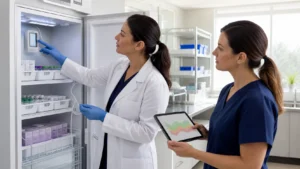
Many facilities still rely on a simple routine: someone walks around with a clipboard or tablet, checks a few displays, writes numbers down, and files the sheet. Maybe a data logger is dropped into a room for a week once in a while. It feels like enough, because you have something to show an inspector.
But think about what those snapshots miss. Temperatures do not stay flat. They rise and fall with:
- Door openings
- Defrost cycles
- Outside weather
- Staff schedules and workflows
Manual checks might hit only the calm parts of the day. Nights, weekends, holidays, and heat waves are often blind spots. If a freezer spikes at 2 a.m. and comes back in range by 6 a.m., that excursion never makes it onto a paper log.
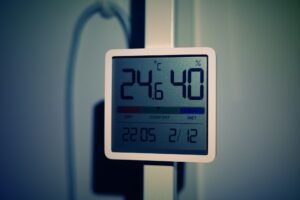
Continuous temperature monitoring and data logging fill in all those gaps. With wireless sensors feeding data around the clock, you see the full curve instead of a few random points. That means you can spot patterns like slow drift or repeated small swings that manual charts would never reveal.
Moving that data into cloud software takes it up another level. Now you can:
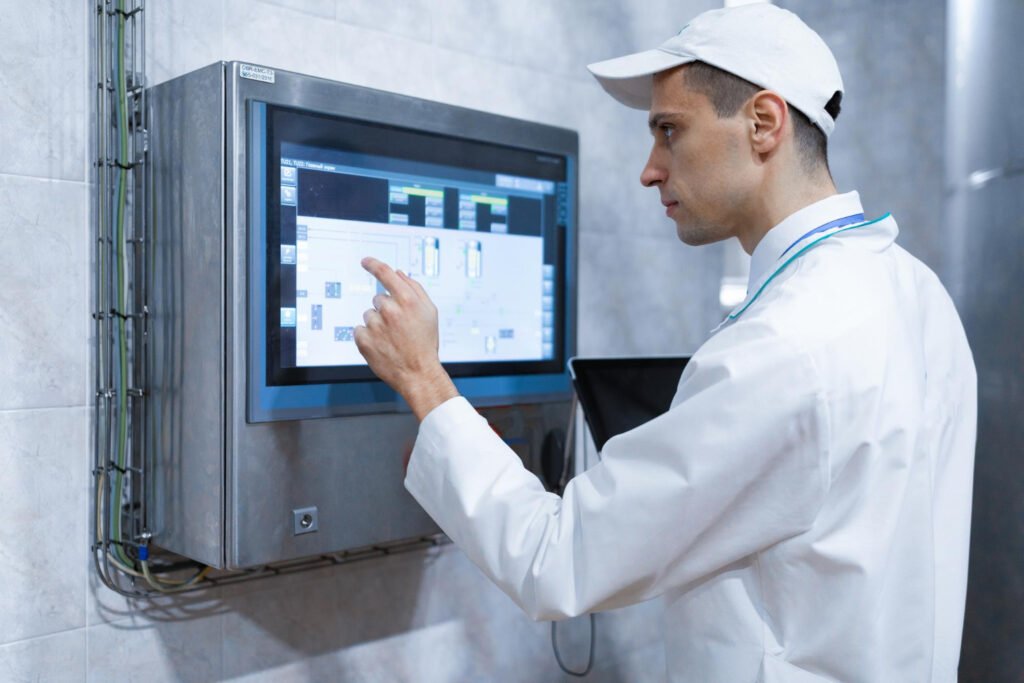
- View all rooms, units, or sites on one screen
- Compare locations in different regions or climates
- Pull up last summer’s trends during the first heat wave
- Quickly find the exact time window an auditor asks for
Automation also cuts down on human error. No more missing entries during busy shifts. No illegible handwriting. No guessing whether the reading was taken before or after a door was opened. The system keeps going even when your team is short-staffed or pulled into other urgent work.
Turning Environmental Data Into Process Improvements
Once you have continuous data, the question becomes: what do you do with it? The real value is not just proving you stayed in range, it is understanding how and why your environment behaves the way it does.
With real-time and historical data, you can start to notice:
- The same shelf in a cooler runs warmer than others
- Doors left open at certain times cause regular bumps
- Equipment cycles on and off too often, a sign of stress
- Heat waves or cold snaps push systems near their limits
These are not just fun graphs. They point straight to improvement ideas, like:
- Moving sensitive product away from known hot or cold spots
- Adjusting how and when staff stage materials at doors
- Fine-tuning setpoints to build safer buffers in extreme weather
- Planning targeted maintenance on units that show early signs of trouble
Alerts and analytics make this even more powerful. Instead of one hard alarm limit, you can set smarter thresholds that warn you before conditions reach a true deviation. That early heads up can prevent product loss, especially during high-stress months when AC and refrigeration are under heavy load.
For teams using CAPA, Lean, or Six Sigma methods, this kind of monitoring data is gold. It gives objective evidence for root cause analysis. When something goes wrong, you are not working from guesses or memories, you have a clear timeline of conditions leading up to the event. That makes each corrective action sharper, and each process change easier to measure over time.
Strengthening Compliance While Reducing Audit Stress
Of course, compliance still matters. The good news is that a strong, continuous monitoring setup supports both improvement and regulation at the same time.
Automated systems create time-stamped, tamper-evident records that line up with expectations for FDA, GxP, HACCP, and other standards. Every reading, alarm, and acknowledgment is stored, not scattered in binders or personal folders. When someone asks what happened at a certain time, you are not flipping through stacks of paper.
Cloud-based tools can provide:
- Pre-built or configurable reports for different audit needs
- Quick filters by room, device, or date
- Clear history of alarms, responses, and follow-up actions
Because you have dense, high-quality data, there are fewer mysteries. If an excursion did occur, you can show exactly how long it lasted, what was done, and what changed afterward. Seasonal risk management also becomes easier to prove. You can show how you prepared for high heat or freezing weather, based on lessons from previous seasons.
When monitoring is built into daily operations like this, audits feel less like an emergency and more like a routine checkup. You are not scrambling to fill gaps at the last minute, because the record is already complete. The same practices that keep the inspector happy are the ones that keep your product and patients safe all year long.
Elevating Quality with Managed Monitoring Services
Even with great hardware and software, someone still has to design, tune, and care for the system. That is where managed monitoring services come in.
Managed services can help with:
- Expert configuration and sensor placement
- Alarm thresholds that match your products and processes
- Support during qualification and validation activities
- Ongoing health checks of devices, gateways, and communications
For many teams, this support takes pressure off internal staff. You get 24/7 coverage, even during vacations, holidays, or seasonal turnover. When something unusual happens overnight or on a weekend, there is a clear process for alarms and escalations instead of ad hoc phone trees.
Over time, specialists who watch your data can help spot long-term trends and suggest improvement projects. That might include:
- Right-sizing equipment that is consistently running near its limits
- Seasonal adjustment plans for setpoints and alarm rules
- Focused facility upgrades, like insulation or airflow changes, in problem areas
At Qualified Controls, we see ourselves as an extension of your quality and facilities teams. By pairing automated monitoring with managed services, it becomes easier to move from “good enough for an audit” to a truly strong and resilient environmental control strategy that supports the work you do every day.
Protect Product Integrity With Smarter Monitoring
If you are ready to modernize your environmental controls, we can help you implement validated temperature monitoring and data logging that fits your facility and compliance requirements. Our team at Qualified Controls works with you to configure secure alerts, reliable storage, and clear reports so issues are caught before they become costly problems. Reach out today so we can review your current process and recommend a practical path to a more reliable, audit-ready system.