
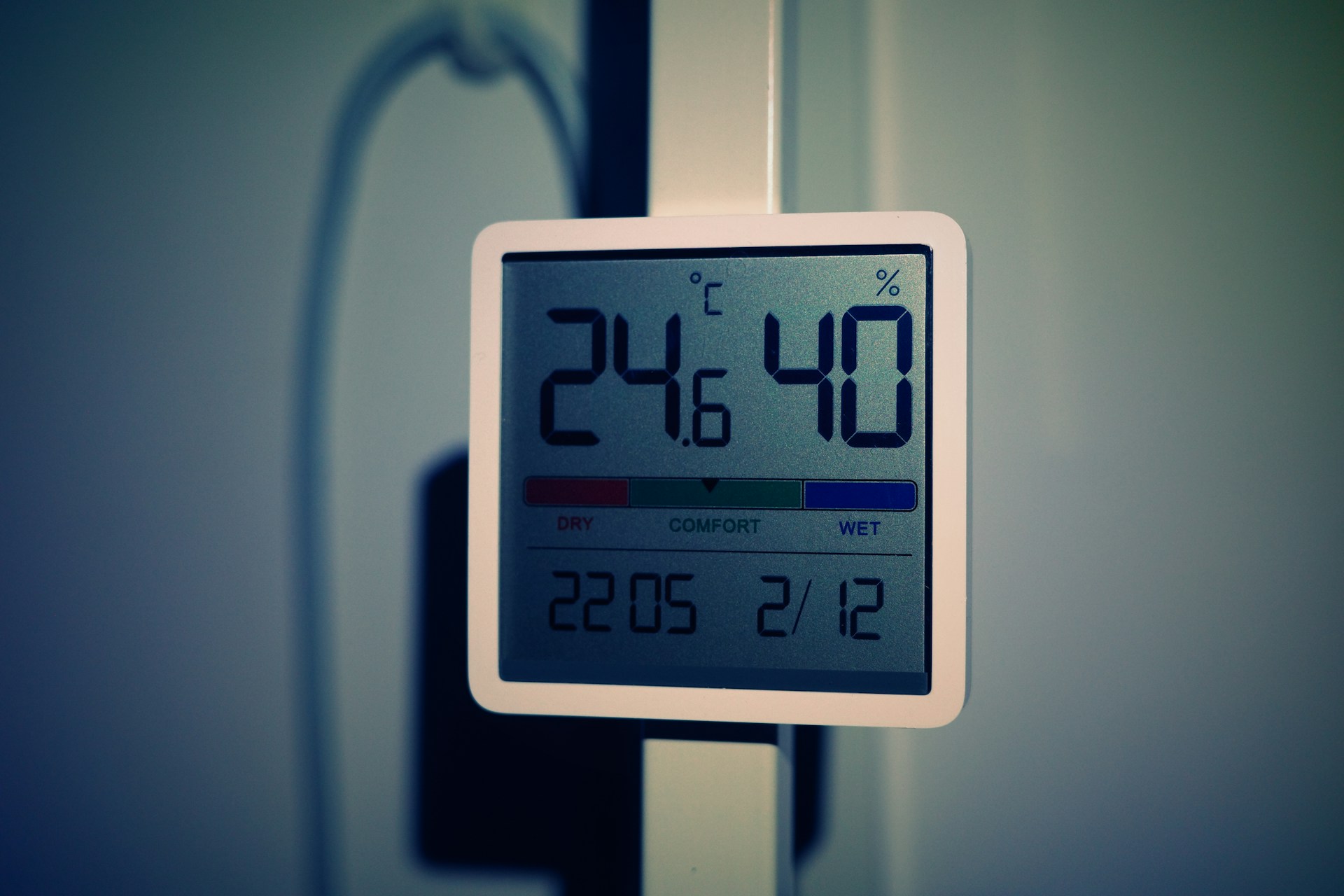
Protecting More Than Samples with Facility Environmental Monitoring
Labs can keep perfect temperature logs and still fail an inspection. That happens when everything looks fine in the cold rooms, but no one notices that pressure flipped between rooms, air changes dropped, or a slow water leak soaked insulation behind a freezer. Modern GMP and GLP expectations go far beyond a few local thermometers.
Regulators now expect a risk-based, whole-facility view. That means paying attention to the “hidden” conditions that protect sterility, data quality, and uptime. Differential pressure, air changes per hour, CO2 and VOCs, airborne particulates, and water leaks all play a part. As late summer turns into early fall, storms, heavy humidity, and HVAC swings in many regions make these risks stand out even more. Automated, real-time monitoring gives us a way to see these issues early and prove control when auditors ask.
Differential Pressure and Air Changes: First Contamination Shield
Differential pressure is simply the difference in air pressure between two spaces. Air changes per hour, or ACH, tells us how many times the air in a room is replaced in one hour. Together, they guide where air flows and how clean that air is, which is key for cleanrooms, sample prep areas, and even stability corridors.
When these two drift, contamination risk climbs. Common trouble spots include:
- Pressure cascades collapsing because a damper sticks or a door is propped
- Filters slowly loading so ACH drops below what the room needs
- Seasonal HVAC strain, especially during hot, humid late summers or cool, damp early fall days
Designing monitoring for pressure and air changes starts with a clear user requirement specification, or URS. That URS should spell out:
- Which rooms and doorways are high risk
- Expected pressure direction between zones
- Target ACH ranges based on classification and use
From there, we place differential pressure sensors between key spaces and use airflow or velocity tools to confirm ACH. Under GMP and GLP, we validate in stages: Installation Qualification (IQ) to confirm correct hardware and locations, Operational Qualification (OQ) to show the sensors and software behave as intended, and Performance Qualification (PQ) to prove the system holds up in real operation.
Alarm strategy is just as important as the sensors themselves. A good plan includes:
- Real-time local indicators so staff see status at a glance
- Audible and visual alarms at defined warning and action limits
- SMS or email escalation if a condition lasts beyond a small delay window
- Clear steps for documenting root cause, impact on product, and any corrective actions
Trend data helps catch slow drifts, like declining airflow over weeks, so we can fix issues before they become a deviation or force a shutdown.
CO2, VOC, and Particulates as Early Warning Signals for Air Quality
CO2 and VOC levels help us understand how “used” or contaminated the air is. In tissue culture rooms, animal spaces, or busy analytical labs, poor air quality can affect both people and samples. High CO2 might mean poor ventilation, while VOC spikes can point to solvent use, off-gassing materials, or nearby work that could impact sensitive assays.
Particulate monitoring connects directly to room classification and cleanroom zoning. Airborne particles can carry microbes or interfere with analytical instruments. Problems often show up when:
- Construction or maintenance work happens nearby
- Filters fail or are not changed on time
- Seasonal events like pollen bursts or wildfire smoke affect outside air
A risk-based monitoring plan decides where continuous particulate monitoring is needed and where periodic counts are enough. For example:
- Continuous particulate, CO2, and VOC sensors in high-risk manufacturing or cleanroom spaces
- Targeted sensors in stability and analytical areas where air quality affects method performance
- Periodic counts in lower risk support spaces
All of these sensors should report into one central facility environmental monitoring platform, so we can see patterns across the building. Under GMP and GLP, we validate gas and particulate sensors with calibration plans, checked alarm limits, and documented accuracy. Audit trails and electronic signatures help show who did what and when, which supports both investigations and inspections.
Water Leak Detection to Prevent Costly Downtime and Mold Issues
Water is one of the quietest threats in a lab. Roof leaks during late-summer storms, sweating chilled water lines, clogged drains near washers or autoclaves, and slow leaks under freezers or incubators can all lead to mold growth, corrosion, and equipment failure. Often, the first sign is warped flooring or a smell, which is far too late.
There are two main sensor styles:
- Point sensors, which detect water in a small spot like behind a freezer
- Rope or cable sensors, which run along a path under raised floors or near long pipe runs
Smart placement and zoning reduce false alarms from things like routine cleaning. We often pair leak detection with local temperature and humidity sensors so we can see the full story around critical equipment.
From a GMP and GLP view, we start with a URS that defines which zones need coverage and how alerts should flow. IQ confirms the sensors are installed in the right spots and are talking correctly to the monitoring platform. OQ checks that simulated leaks create alarms, get timestamped, and appear in reports. PQ uses real operations, including seasonal weather swings, to confirm the system performs as expected over time.
Alarm procedures should define:
- Who responds first and how fast
- Immediate steps to contain water and protect product and equipment
- How to tie leak events to changes in humidity or particulate counts for full root cause analysis
Designing and Validating Facility Environmental Monitoring Strategy
Trying to manage temperature, humidity, pressure, air changes, CO2, VOCs, particulates, and leaks with separate tools and paper logs leads to gaps. An integrated, automated system gives one source of truth for facility environmental monitoring that supports both compliance and daily operations.
A practical roadmap usually looks like this:
- Start with a risk assessment of rooms, equipment, and processes
- Define critical quality attributes and critical process parameters
- Draft URS for wireless sensors and cloud software, including data security and access needs
- Select monitoring points and set warning and action limits based on risk and room classification
- Build alarm paths that fit how your team actually works
Validation fits into the typical GMP and GLP lifecycle. Design qualification and vendor assessment check that the planned system can meet requirements. IQ covers physical and network install, including sensor IDs and locations. OQ confirms measurements, alarm logic, and reporting work as intended. PQ shows the system holds control during real conditions, including seasonal HVAC swings when late summer heat gives way to cooler fall days.
Lifecycle management is ongoing. That includes:
- Reviewing alarm limits as processes change
- Seasonal checks when HVAC ranges shift
- Calibration and replacement plans for all sensor types
- Change control for adding locations or parameters
- Trend reviews to show continued control and to prepare for audits
Turning Hidden Environmental Risks Into Controlled, Auditable Data
When we look beyond temperature and include pressure, air changes, CO2 and VOCs, particulates, and water leak detection, we build a much stronger shield around samples, equipment, and people. This wider view supports GMP and GLP expectations, helps avoid sudden downtime, and backs up quality claims with clear data.
Many labs still rely on clipboards, local alarms no one hears after hours, and separate systems that do not talk to each other. That makes it hard to see small problems early or to answer detailed questions from auditors. With automated, wireless sensors and a cloud-based monitoring platform, we can turn those quiet, hidden conditions into timely alerts and easy-to-read trends. That is the kind of controlled, documented environment regulators look for and that teams need as seasons shift and facility risks change.
Protect Your Facility With Reliable Environmental Monitoring Solutions
Strengthen compliance and product integrity with tailored monitoring strategies designed around your operations. At Qualified Controls, we help you identify risks, select the right instruments, and ensure data you can trust. Explore how our facility environmental monitoring capabilities can support your specific applications, from cleanrooms to critical storage. If you are ready to discuss your project requirements or implementation timeline, contact us today.