
Turn Heat Waves Into a Competitive Advantage
Warehouse temperature monitoring is not just about staying within a range on a chart. When summer heat waves hit, it can decide if your operation keeps moving or grinds to a halt. If your building runs hot, small temperature spikes can suddenly become a big problem for products, equipment, and people.
Heat waves bring a mix of risk: product spoilage, damaged materials, stressed employees, and failed audits when records show temperature excursions. When things are already busy, no one wants to scramble with clipboards and floor fans. With a clear plan, though, extreme heat can be something you manage with confidence, not fear.
In this playbook, we walk through how to map your heat risk, place sensors in smart locations, set alert thresholds that actually help, and build escalation workflows that your team can follow even on the hottest days. With the right warehouse temperature monitoring, a heat wave can become a test you are fully ready to pass.
Map Your Warehouse Heat Risk Before Temperatures Spike
Before adding more sensors or changing setpoints, it helps to know where heat really builds up in your space. Every warehouse is different, but some areas usually run hotter than others.
Watch these spots closely:
- Loading docks and staging areas
- Zones near exterior walls, rooftops, and big windows
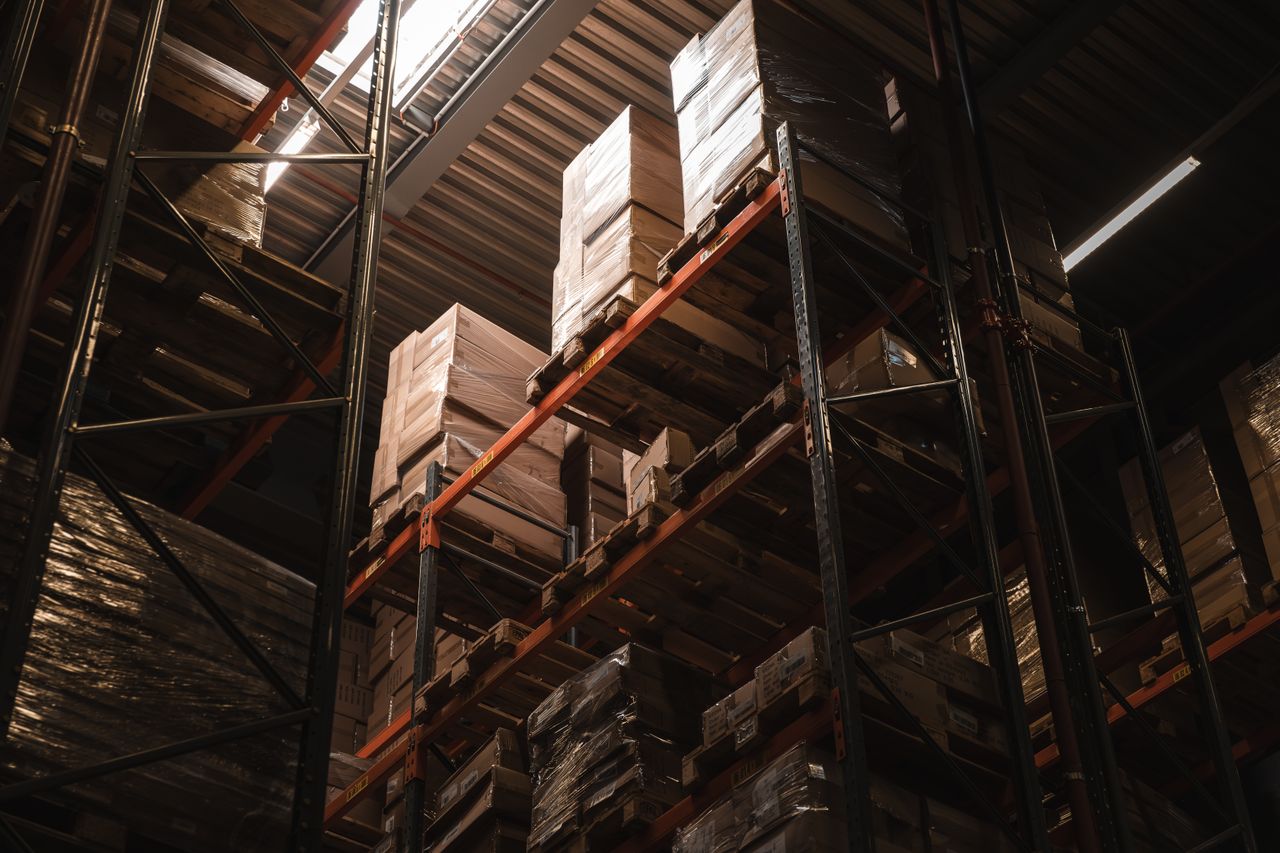
- Mezzanines and high-bay locations
- Long aisles with limited airflow
- Areas around compressors, motors, and battery chargers
Do not rely only on what you feel on one hot afternoon. Pull together what you already know. That can include:
- Historical temperature records from your current monitoring system
- Incident logs where product was flagged for being out of range
- Notes from past CAPAs or audit findings
- Feedback from staff on where it feels “always too hot” or “never stable”
Use that information to sketch a simple “summer risk map” of your facility. Mark:
- Red zones: frequent issues or sensitive inventory
- Yellow zones: sometimes warm or hard to cool
- Green zones: usually stable and easy to control
This map becomes your guide for sensor placement, cooling priorities, and where to focus operations changes, like limiting door open time or shifting picks to cooler hours.
Smart Sensor Placement Strategies for Reliable Data
Good decisions start with good data. If sensors sit in the wrong places, your warehouse temperature monitoring can look fine on screen while your products are quietly cooking on the shelf.
For most spaces, sensors work best when they are:
- At product level, not at the ceiling or right on the floor
- Away from direct sunlight, vents, or fans that blow directly on them
- Placed in the heart of critical storage zones, not in empty walkways
In high-bay racking, think in layers. Temps often climb as you go up. A helpful pattern is:
- One sensor in lower racks, near the main product band
- One at mid-height
- One near the top where trapped heat likes to sit
Across long aisles, spread sensors so you can catch hot spots halfway down a row, not just at the ends. Pay special attention to:
- Validated cold chain paths
- Quarantine or high-value product areas
- Any room tied directly to audits or strict specs
Wireless, cloud-connected sensors make this much easier. You can:
- Add coverage in a hot zone without running cable
- Shift sensors during a heat wave to follow risk
- View all locations in one dashboard instead of chasing paper logs
This flexible setup is helpful in older buildings or mixed-use facilities where conditions can change quickly.
Building Heat-Wave Alert Thresholds That Actually Work
Once sensors are in the right place, the next step is building alerts that tell you what you need to know without becoming noise. If you alert on every small fluctuation, people start to ignore the alarms.
Start with your normal baseline. Look at:
- Typical daily high and low temps by zone
- How long it usually takes a room to drift from setpoint
- Where your products and regulations set hard limits
Then tighten thresholds for summer. For sensitive products, compliance-critical rooms, and high-risk zones from your heat map, consider:
- Narrower temperature bands during known heat periods
- Quicker alerts when temps rise faster than normal
It often helps to use multilevel alerts:
- Informational: a small bump above setpoint for a short time
- Warning: a few degrees above setpoint beyond a short delay
- Critical: serious excursions or long durations that put product at real risk
To keep auditors and quality teams on your side, document:
- How you chose each threshold
- Why some zones have seasonal setpoints
- How changes are reviewed and approved
With clear logic and change control, inspectors can see a system that is thoughtful, not random.
Escalation Workflows for Rapid Heat-Event Response
Alerts only help if people know what to do when they see them. During a heat wave, you do not want confusion about who acts first or how quickly.
Build a simple escalation chain:
- First line: on-site staff or supervisors who can inspect the area
- Second line: maintenance or facilities leaders who can adjust equipment
- Third line: quality and operations leaders for decisions about product and downtime
Set up role-based alerts and channels, such as:
- SMS for urgent, time-sensitive warnings
- Email for summaries and less time-critical notices
- In-app notifications for teams already working in your monitoring system
Tie each level of alert to a short playbook. For example:
- Informational: confirm doors and windows, note any patterns
- Warning: check sensors and product, adjust setpoints or doors, stage fans if approved
- Critical: move at-risk product if required, call maintenance, escalate to quality
Every step should be logged in the monitoring system. That record helps:
- Prove due diligence during audits
- Support root cause analysis
- Feed into CAPAs and long-term improvements
Test and Drill Your Summer Temperature Response Plan
A plan that only lives in a binder will not save product on a sweltering afternoon. Before peak heat season, run drills to see what really happens.
Helpful tests can include:
- Triggering test alerts to confirm everyone receives them
- Simulating a compressor failure in a controlled way
- Holding a dock-door stress test to see how fast temps rise
Invite cross-functional teams to join, including warehouse, maintenance, quality, and EHS. During drills, watch:
- How quickly people respond to alerts
- Whether roles and authority are clear
- Where communication breaks down
After each drill, review a few simple metrics:
- Alert time to first human action
- Time to stabilize conditions
- Any product that would have been at risk
- Gaps in sensor coverage or staffing
Update your SOPs and escalation paths based on what you learn. The goal is a plan your team trusts because they have seen it work.
Turn Today’s Heat Risks Into Tomorrow’s Operational Strength
When smart sensor placement, tuned alert thresholds, and clear workflows all work together, warehouse temperature monitoring stops being a checkbox and starts becoming a strength. You gain confidence that you can ride out heat waves while protecting products, equipment, and people.
This is where a turnkey monitoring partner like Qualified Controls fits in. We design, install, and support automated, real-time environmental monitoring systems with wireless sensors and cloud software, so your team can focus on running the warehouse while staying audit ready, even when the temperature outside keeps climbing.
Improve Warehouse Compliance And Product Protection Today
If you are ready to safeguard your inventory and simplify audits, we can help you design a reliable warehouse temperature monitoring solution tailored to your facility. At Qualified Controls, we work with you to identify critical zones, select the right sensors, and configure alerts that match your operational needs. Reach out to our team so we can review your current setup and recommend practical upgrades that fit your budget.