
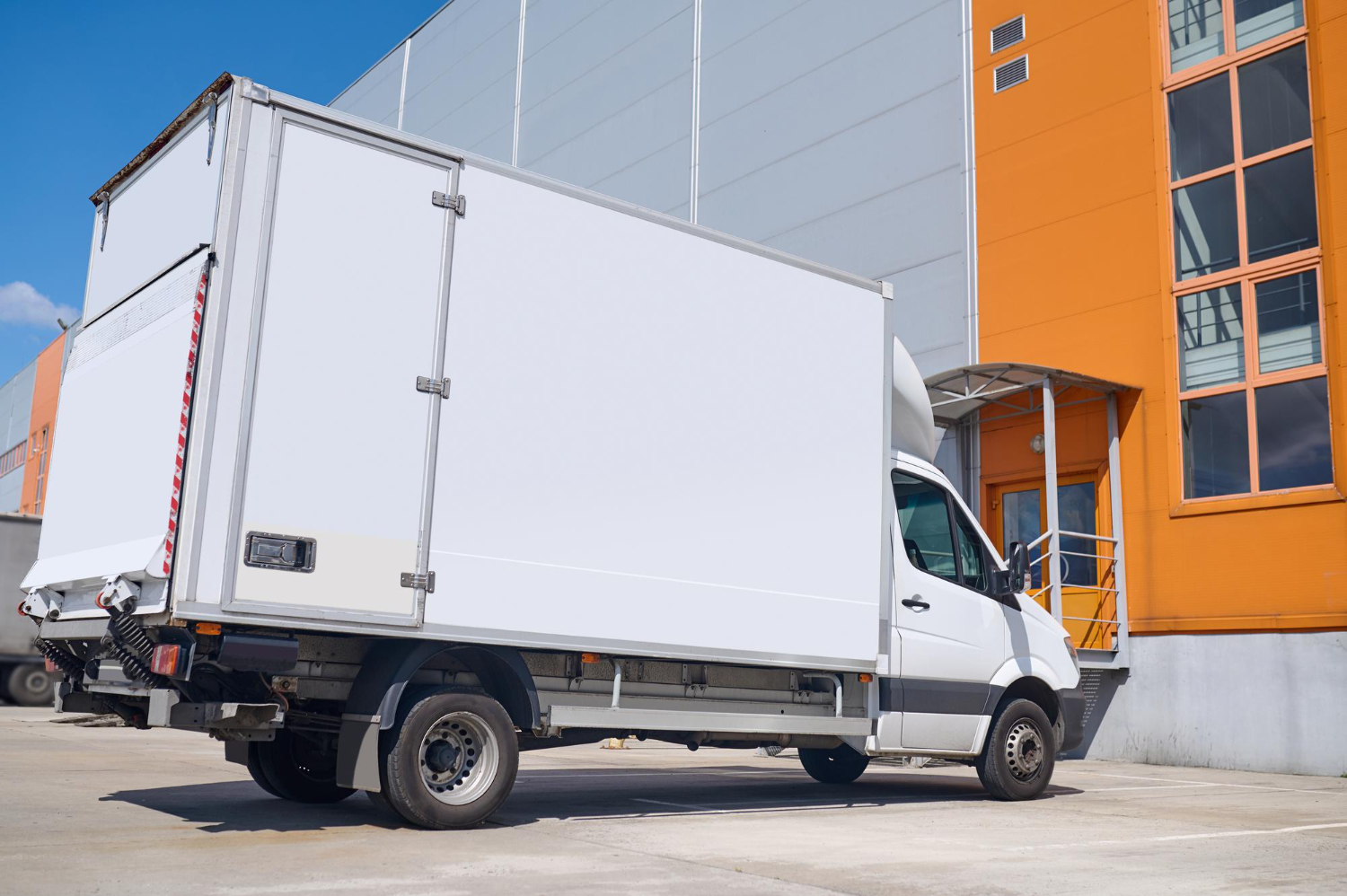
Cold chain temperature monitoring for last-mile delivery is under a lot of pressure, especially when the weather gets hot. You can have tight controls in warehouses and production areas, but if the last few miles are weak, the whole chain is at risk. In this article, we will walk through why the last mile often fails, what true monitoring should look like, and how wireless automation can help keep products safe and compliant all the way to the door.
At Qualified Controls, we work with teams that handle temperature-sensitive products every day. We see the same worries come up again and again: hidden temperature swings, missing data, and stress around audits and inspections. Let us break down a more practical way to think about the last mile so your quality, operations, and logistics teams can all work from the same playbook.
Why Last-Mile Cold Chain Is Failing in Plain Sight
The last mile has turned into the weakest link for many cold chains. Inside the warehouse, conditions are usually well controlled. Once the product leaves that safe space and gets loaded into a van, onto a cart, or into a tote, the picture gets blurry.
Some of the common blind spots include:
- Manual data logging on paper or clipboards
- Passive indicators that only show a “pass or fail” after the fact
- Fragmented courier networks with different habits and tools
- No real-time view of what happens between loading dock and delivery
Summer heat makes these gaps worse. A short stop in direct sun, city traffic, a stalled elevator, or a line at a receiving bay can all push products out of range. When there is no continuous cold chain temperature monitoring, these events stay hidden.
The cost is more than just spoiled product. Gaps in records can create compliance problems, lead to investigations, and damage trust with regulators, payers, and customers. Even when product quality is fine, missing or messy data can still cause trouble.
What True Cold Chain Temperature Monitoring Should Deliver
For last-mile delivery, “compliance-grade” monitoring means more than a simple logger tossed into a box. It means a monitoring setup that supports the standards you need for pharma, biotech, clinical research, and food safety.
A basic temperature logger can tell you what happened after a trip. An integrated monitoring system gives you:
- Real-time data, not just end-of-route downloads
- Automated alerts when temperatures go out of range
- Secure, time-stamped records that are ready for audits
Key capabilities to look for include continuous monitoring at the right interval, configurable alarm thresholds for different products, and calibration traceability so sensors are trusted. For regulated environments, records should be ready for requirements like 21 CFR Part 11, with user controls and clear audit trails.
Good reporting also matters. You should be able to quickly pull route reports, see excursion details, and attach notes on what actions were taken. That turns raw numbers into evidence you can stand behind.
Rethinking Last-Mile Visibility with Wireless Automation
Wireless, automated sensors change last-mile monitoring from a few snapshots into a moving story you can actually see. Instead of hoping drivers follow manual steps, sensors placed in vehicles, totes, and key delivery points measure conditions all the time.
Those sensors connect through:
- Cloud-connected gateways in vehicles or depots
- Mobile apps that sync data when a driver comes within range
- APIs that feed temperature data into your quality or logistics systems
This setup pulls information into one view, so you are not chasing spreadsheets or handwritten logs. With systems like the ones we build at Qualified Controls, teams can see excursions as they happen, not days later. That means you can call for a route check, adjust a delivery, or move product into a safer location while it still matters.
Automated records also help reduce extra labor. Corrective actions, comments, and sign-offs can be recorded in the same system, instead of on separate forms. That cuts down on double work and missing pieces.
Designing a Last-Mile Strategy for Extreme Heat and Uncertainty
When summer heat waves hit or transit times stretch out, last-mile cold chain temperature monitoring becomes even more important. In many areas, including hot and humid regions, vehicles can heat up quickly, even on short stops.
A stronger last-mile strategy can include:
- Route-based risk assessment, so you know which lanes are higher risk
- Preconditioning packaging and vehicles before loading
- Data-driven lane qualification, using real data instead of guesswork
- Tighter alert thresholds on routes with known heat or delay issues
Historical temperature data shows how certain routes behave at different times of day or in different seasons. That helps you choose packaging and coolants that match real conditions, not just lab tests.
With real-time and past data together, you can also make better carrier decisions. If one lane consistently shows more excursions, you can change pickup times, adjust loading plans, or add extra monitoring points. When the weather gets extreme or delays are likely, you already have a plan instead of rushing at the last minute.
Turning Last-Mile Data Into Continuous Quality Improvement
The real power of cold chain temperature monitoring shows up when all your data lives in one place. When warehouse, vehicle, and delivery endpoint data are unified, patterns start to stand out.
Teams can spot:
- Recurring hot spots in specific vehicles or loading areas
- Problem routes or time windows that often run warm
- Carriers or partners that do not perform to your standards
Quality and operations groups can then refine SOPs based on what the data shows. Maybe drivers need more training on door openings, or certain products need extra insulation on a specific lane. Packaging specs can be adjusted based on actual field performance, instead of guesswork.
With a platform approach like the one we offer at Qualified Controls, it becomes easier to run trend reports, compare routes, and respond faster when there is a deviation or complaint. You are not starting from zero each time, because the history is already there.
Make Your Last Mile as Reliable as Your Warehouse
The cold chain does not end at the dock door. Shifting from reactive, paper-based checks to proactive, automated monitoring in the last mile is what brings the whole chain up to the same standard as your warehouse and production spaces.
When you look at your own last-mile operations, it helps to ask: where are the data gaps, how much still depends on manual steps, and where would a missing record hurt the most? From there, you can start with a key route or product line and build out a wireless monitoring approach that scales over time.
By treating the last mile with the same care as your controlled storage areas, cold chain temperature monitoring becomes a true end-to-end system. That means stronger compliance, more confident decisions, and products that arrive the way they were meant to, even on the hottest days.
Protect Every Shipment With Reliable Temperature Insight
When your products’ quality and safety depend on stable conditions, you need visibility you can trust from dock to delivery. At Qualified Controls, we help you design and deploy cold chain temperature monitoring solutions tailored to your facilities, vehicles, and regulatory requirements. Our experts work with your team to integrate sensors, alerts, and data logging so issues are caught before they become costly losses. Talk with us today about your environment, and we will help you move from reactive fixes to confident, continuous control.