
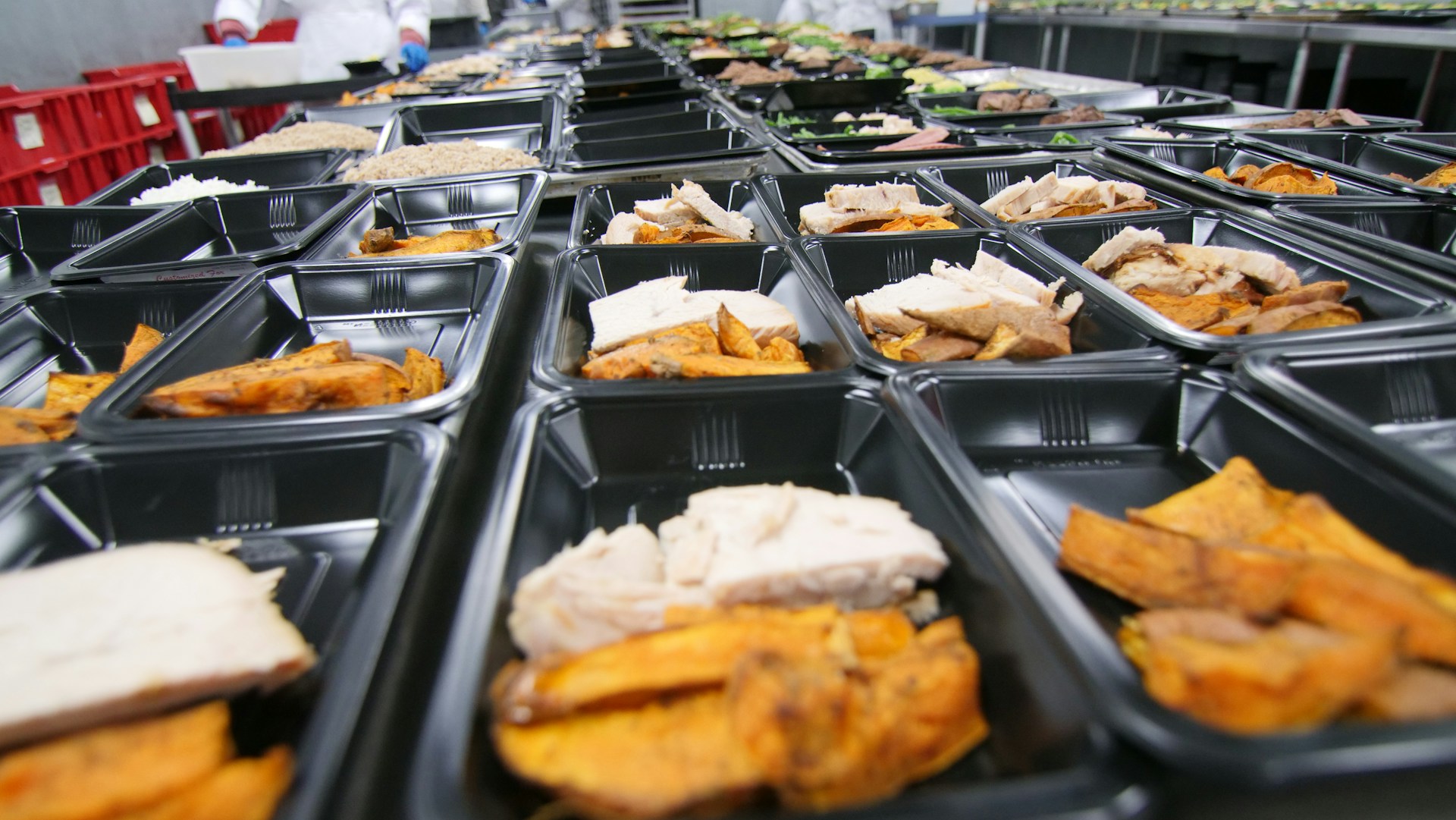
Food recalls tied to bad temperature control hit fast and hit hard. One long hot weekend with a cooler drifting warm can lead to products being pulled from shelves, worried calls from retailers, and hard questions from regulators. That kind of event can stick to a brand for a long time.
This article walks through why temperature control for food safety matters so much, why manual checks are not enough, and how automated monitoring can help cut recall risk, especially as summer heat kicks in. We will keep the focus practical, so you can see what needs to change inside real plants, warehouses, and distribution routes.
Protect Your Brand by Preventing Temperature-Driven Recalls
Every summer, stories surface about recalled meat, dairy, produce, or ready-to-eat foods tied to cold-chain or hot-hold problems. The common thread is simple: temperatures slipped, no one noticed in time, and unsafe product moved forward.
Temperature swings do their damage quietly. Food may look fine. Testing batches might still pass for a while. But when product moves through processing, cooling, storage, and distribution, even short periods in the wrong zone can let pathogens grow or quality break down long before anyone sees a clear sign.
That is why temperature control for food safety works best as a year-round risk management strategy, not just a box to check for inspectors. Summer months raise the stakes because higher ambient temperatures, frequent door openings, and heat in trailers or docks all push systems harder.
Automated, real-time monitoring cuts the chance that a cooler drifts overnight, a freezer door sticks, or a truck warms up on the road without anyone knowing. It also closes gaps in records and response times that often lead to painful recalls. Our team at Qualified Controls focuses on helping food businesses get this level of continuous, compliance-grade monitoring in place without adding extra staff load.
The High Cost of Temperature Excursions in Food Operations
When product sits too warm or too cold for too long, costs stack up quickly. Direct losses usually show up first:
- Product write-offs or rework
- Extra freight, backhauls, and disposal
- Line slowdowns or shutdowns during investigations
- Added cleaning, testing, and verification work
There can also be regulatory impacts, such as increased inspections or agreements that limit how you operate until issues are fixed. But the hidden costs often hurt more over time. A public recall can damage brand trust with retailers and consumers. Insurance questions may get tougher. Future audits may feel more intense.
Manual checks struggle in the middle of this pressure. Clipboards, spot checks, and data loggers that are only downloaded once a week can easily miss short spikes, especially:
- During peak summer demand
- On long holiday weekends like early July
- When teams are stretched and focused on pushing volume
Human behavior adds even more risk. Checks get skipped when lines back up. People copy yesterday’s numbers. Times are guessed. Even with strong HACCP plans, these habits create blind spots.
All of this happens while pathogens like Salmonella, Listeria, and E. coli gain ground any time product lingers in the danger zone during receiving, cooling, or transport. By the time a test flags a problem, the root cause may already be buried under days of incomplete logs.
Why Manual Temperature Control Falls Short in Modern Food Safety
Most manual workflows look similar across plants and warehouses. Someone walks a route a few times a day, takes thermometer readings, writes them on paper or into a shared spreadsheet, and flags issues only when a number falls far outside range.
The weak spots are easy to spot:
- Overnight shifts and weekends
- Holidays and long breaks
- Transfers between buildings or facilities
- Time in transit where no one has live visibility
During these gaps, a stuck valve or failing condenser can push temperatures out of spec for hours. When staff returns, everything may look normal again, but safety has already been impacted.
Recordkeeping also suffers. Missing pages, coffee stains, unclear handwriting, and mismatched time stamps make it hard to show a clean, continuous story to auditors and regulators. Different departments may keep their own logs, so data lives in separate folders with no simple way to see trends.
As food businesses grow into multi-site operations and cold chains get longer and more complex, this manual model stops scaling. Every new cooler, truck route, or seasonal warehouse adds more points to check and more chances for something to slip.
That growing complexity is exactly why continuous control starts to matter. Automated sensors, alerts, and digital records replace sporadic checks and remove guesswork about what really happened between two log entries.
How Automated Monitoring Improves Food Safety Temperature Control
Automated monitoring uses calibrated wireless sensors to watch temperature, humidity, and other key conditions all day, every day. These sensors can sit in:
- Walk-in coolers and freezers
- Processing and packaging rooms
- Loading docks and staging areas
- Reefer trailers and other mobile assets
Readings flow to a cloud dashboard so teams can see the current state of each unit or zone at a glance. If a reading drifts outside your defined range, the system sends instant alerts by text, email, or app so staff can act before product safety is at risk.
Automatic data logging creates a tamper-resistant record of conditions over time. That digital trail supports HACCP, FSMA, and retailer expectations, without chasing paper logs or retyping notes. During audits, teams can pull reports in minutes instead of digging for days.
Summer heat makes this especially useful. Automated systems can highlight:
- Coolers that warm up during rush periods
- Frequent door openings that drive temperature swings
- Equipment that struggles on the hottest afternoons
With this visibility, maintenance and operations can adjust settings, repair equipment early, and tweak loading or staging practices before a small issue turns into a recall.
Inside a Turnkey, Compliance-Grade Temperature Control Platform
A modern automated platform combines several pieces that work together. At a high level, we see:
- NIST-traceable calibrated sensors
- Secure gateways that move data to the cloud
- Web and mobile dashboards for live views
- API connections into existing quality or ERP tools
For many teams, the technology is only half of the story. A managed service approach also matters. This can include help with sensor placement, initial configuration, alert setup, calibration scheduling, and ongoing system health checks so your internal staff can focus on running safe operations, not on IT.
Quality and compliance leaders often look for features such as audit-ready reports, role-based access, electronic records that support 21 CFR Part 11-style expectations, and validation help where needed. With those pieces in place, practical workflows start to fall into line:
- QA reviews weekly or monthly compliance summaries
- Operations responds to real-time alerts and logs corrective actions
- Leadership views risk dashboards across all plants, warehouses, and seasonal sites
Many teams start small. For example, they may begin with higher risk spots like raw storage, blast chillers, or shipping docks, then extend coverage across more rooms, trailers, and locations once they see the benefits in day-to-day work.
Steps to Implement Automated Temperature Control Before Peak Summer
To get ready before heat and demand spike, it helps to start with a focused risk review. Walk through your processes and mark the points where temperature problems would have the biggest impact on safety or shelf life. Common focus areas include:
- Cooling and chilling steps
- Long-term cold storage
- Transport between sites or to retailers
- Hot holding of ready-to-eat foods
Next, plan a phased rollout. Start with a smaller set of sensors in those highest-risk areas. Test alert thresholds, fine-tune who gets notified, and adjust response steps. Once the team is comfortable, expand to other spaces and routes.
Clear roles are key. Everyone should know:
- Who receives which alerts
- How fast they are expected to respond
- When to escalate issues
- How to log corrective actions in the system
It also helps to time training and rollout ahead of seasonal peaks, such as summer grilling season, back-to-school runs, or winter holidays. That way the team is not trying to learn new tools in the middle of a surge.
Working with a provider like Qualified Controls can smooth this process. Our focus is on automated, compliance-grade wireless monitoring and managed services that keep systems calibrated, validated, and tuned. With the right plan, temperature control for food safety can shift from a daily worry into a quiet strength that protects your brand, even on the hottest days of the year.
Protect Your Products With Reliable Temperature Control
If you handle perishable goods, you know consistent temperatures are critical to keeping food safe and compliant. At Qualified Controls, we design and support systems that give you precise, reliable temperature control for food safety at every stage of your process. Our team can help you assess your current setup, identify risks, and implement improvements that fit your facility. Talk with us today to move from reactive fixes to a proactive, data-driven approach to food safety.