
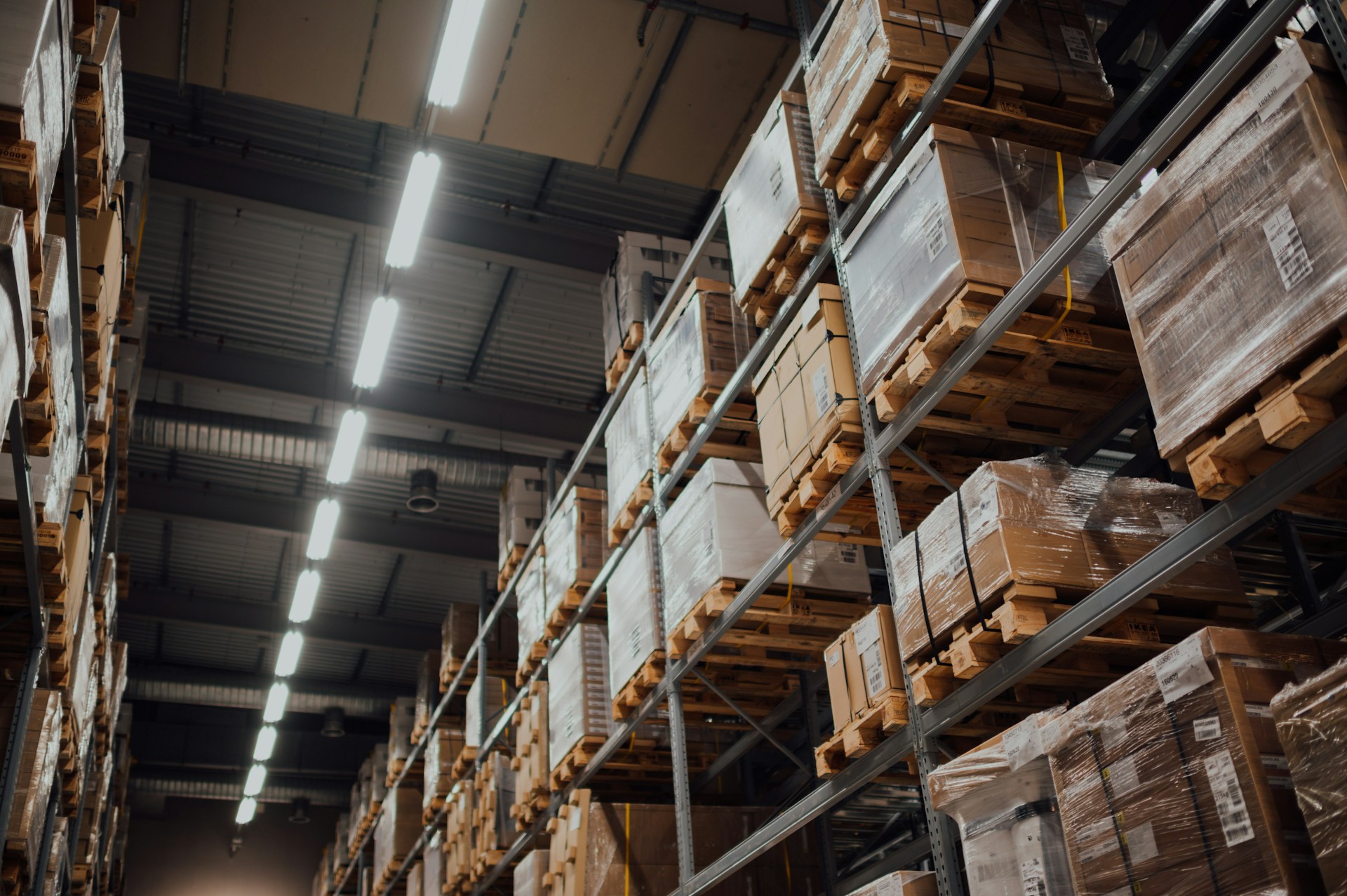
Turn Seasonal Swings Into a Warehouse Advantage
Warehouse temperature monitoring is not just about staying within a range; it is about keeping products safe when the weather refuses to cooperate. Hot summers, cold winters, and those messy in-between days can all hit your inventory, your team, and your peace of mind.
Many warehouses see the same pattern each year. A summer heat wave creeps into upper racks, a winter cold snap creates frozen corners, and shoulder seasons make it hard to dial in HVAC settings. Add busy shipping weeks, holiday peaks, and staff vacations, and small temperature slips can quickly become big problems.
Modern warehouse temperature monitoring uses wireless sensors and cloud-based software to watch temperature and humidity around the clock. You get real-time readings, alerts when conditions drift, and records that are ready when regulators or customers ask. By rethinking your approach before the next seasonal swing, you can cut losses, reduce stress, and keep product moving with fewer surprises.
How Seasonal Variability Really Impacts Your Warehouse
Different industries feel seasonal swings in different ways, but the core risk is the same: product quality and safety slip when conditions drift out of range.
For pharmaceuticals, temperature and humidity shifts can affect stability and potency. Healthcare facilities worry about vaccines, biologics, and blood products that must stay in tight ranges. Food and beverage warehouses focus on spoilage, texture, and food safety. Biotech and research sites work to protect samples and reagents that may be sensitive to both heat and cold.
Seasonal changes do not usually hit the whole warehouse evenly. They create trouble spots, such as:
- Microclimates in corners, high racks, or tight aisles
- Hot zones near skylights or south-facing walls
- Cold spots near dock doors or poorly sealed areas
- Humidity pockets around certain types of packaging.
These pockets can lead to waste, returns, or even recalls, often without a clear reason until someone takes a closer look at the environment. Failed inspections or customer complaints may trace back to a single zone that silently drifts out of range during a heat wave or a cold snap.
There are hidden operational costs too, especially during peak seasons. Your team may spend extra time on manual temperature checks, walking the floor with clipboards or handheld probes. HVAC systems run harder to fight outdoor swings, and managers scramble to react instead of working from solid data. All of this adds stress at the exact moments when you can least afford it.
Why Traditional Temperature Checks Fail in Extreme Weather
Many warehouses still rely on manual logs or basic data loggers. These may seem fine on a mild day, but seasonal extremes expose their weak points.
Manual checks give you just a snapshot. Someone notes a temperature at a certain time and that is it. Hours later, the conditions may be very different, and you will not see that change on paper.
Basic data loggers record more often, but the data usually sits in the device until someone downloads it. By the time the readings are reviewed, the damage is already done. There is no real-time alert, no chance to move product or adjust HVAC before limits are crossed.
Seasonal extremes make these gaps even more risky:
- Long weekends and holidays when no one is on site to check
- Storms that cause power issues or affect HVAC performance
- Sudden temperature spikes during heat waves or cold snaps
- Doors left open longer due to heavy shipping activity
On top of that, relying on spreadsheets or paper logs creates headaches for compliance. For warehouses tied to FDA, CDC, GMP, or HACCP rules, or to strict customer quality programs, missing data points or messy records can raise flags. Auditors want clear, time-stamped proof that conditions stayed in range, not guesswork or handwritten notes that are hard to read.
Building a Smart, Seasonal-Ready Monitoring Strategy
A smarter warehouse temperature monitoring approach gives you constant visibility and faster response, especially when seasons change.
The basic building blocks look like this:
- Wireless sensors placed in critical zones
- 24/7 cloud-based access to live readings and history
- Automated alerts by email, text, or on-screen when limits are crossed
- Long-term data storage for audits and trend review
Sensor placement matters as much as the tech itself. To stay ready for seasonal swings, it helps to monitor:
- Loading docks and staging areas where doors open often
- Areas near exterior doors and walls
- High racks and mezzanines where hot air can collect
- Tight aisles or corners known for cold pockets
- Zones that hold your most sensitive or highest-value products
With a cloud-based system, you are not just reacting, you can study patterns over time. Trend analysis lets you see how your building behaves in summer, winter, and in-between seasons. You can spot trouble zones that always spike on hot days, racks that dip too low during cold nights, or humidity swings that match certain workflows.
That data supports better decisions. It can help you fine-tune HVAC settings, adjust airflow with fans or vents, schedule preventive maintenance before peak heat, or even plan future building upgrades with clear evidence instead of guesswork.
Turning Compliance and Data Into Operational Gains
Good environmental data does more than check a compliance box. It makes daily operations smoother and safer.
Audit-ready records mean that when an inspector or customer visits, you can quickly pull up time-stamped charts for any sensor, date, or product zone. Instead of hunting through binders or sorting files, you show a clear story of control.
A strong monitoring setup can also reduce product loss. When alerts catch small drifts early, your team has time to respond before conditions reach a point where you must quarantine or discard inventory. Over time, fewer surprises can also lower risk in the eyes of insurers and quality partners.
Environmental monitoring can inform broader business choices too. You can connect what the data shows with how you plan:
- Capacity planning during hot or cold seasons
- Staffing levels around peak shipping windows
- Dock schedules to avoid long door-open times in extreme weather
- Storage assignments, such as placing temperature-sensitive goods in more stable zones
Instead of reacting to every heat wave or cold snap like a new emergency, you build a playbook based on real data from your own building.
Prepare Your Warehouse Now for the Next Temperature Shift
Seasonal swings are not going away. The warehouses that handle them best are the ones that prepare before the next shift in weather, not during it.
A simple starting plan might look like this:
- Map your warehouse and mark known hot and cold spots
- List the products and materials most sensitive to temperature or humidity
- Review where you currently check temperatures and where you do not
- Pilot an automated monitoring system in a few high-risk areas
- Set clear alert limits and simple response steps for your team
From there, you can expand sensor coverage and refine alerts as you see what actually happens in your space. The goal is steady, reliable control across seasons, backed by data that stands up to internal reviews and outside audits.
At Qualified Controls, we focus on automated, cloud-based monitoring for regulated warehouses that need reliable tracking of temperature, humidity, and other key conditions. By building a smarter warehouse temperature monitoring strategy today, you can turn seasonal swings into a managed, predictable part of your operation instead of a recurring crisis.
Protect Your Inventory With Reliable Temperature Insight
If you are ready to prevent product loss and simplify compliance across every facility, we can help you design a dependable warehouse temperature monitoring solution tailored to your operation. Our team at Qualified Controls will review your storage environments, existing systems, and risk points so you get the right sensors and alerts from day one. Reach out today and we will walk you through next steps, from assessment to implementation, so you can gain confidence in your temperature data.