
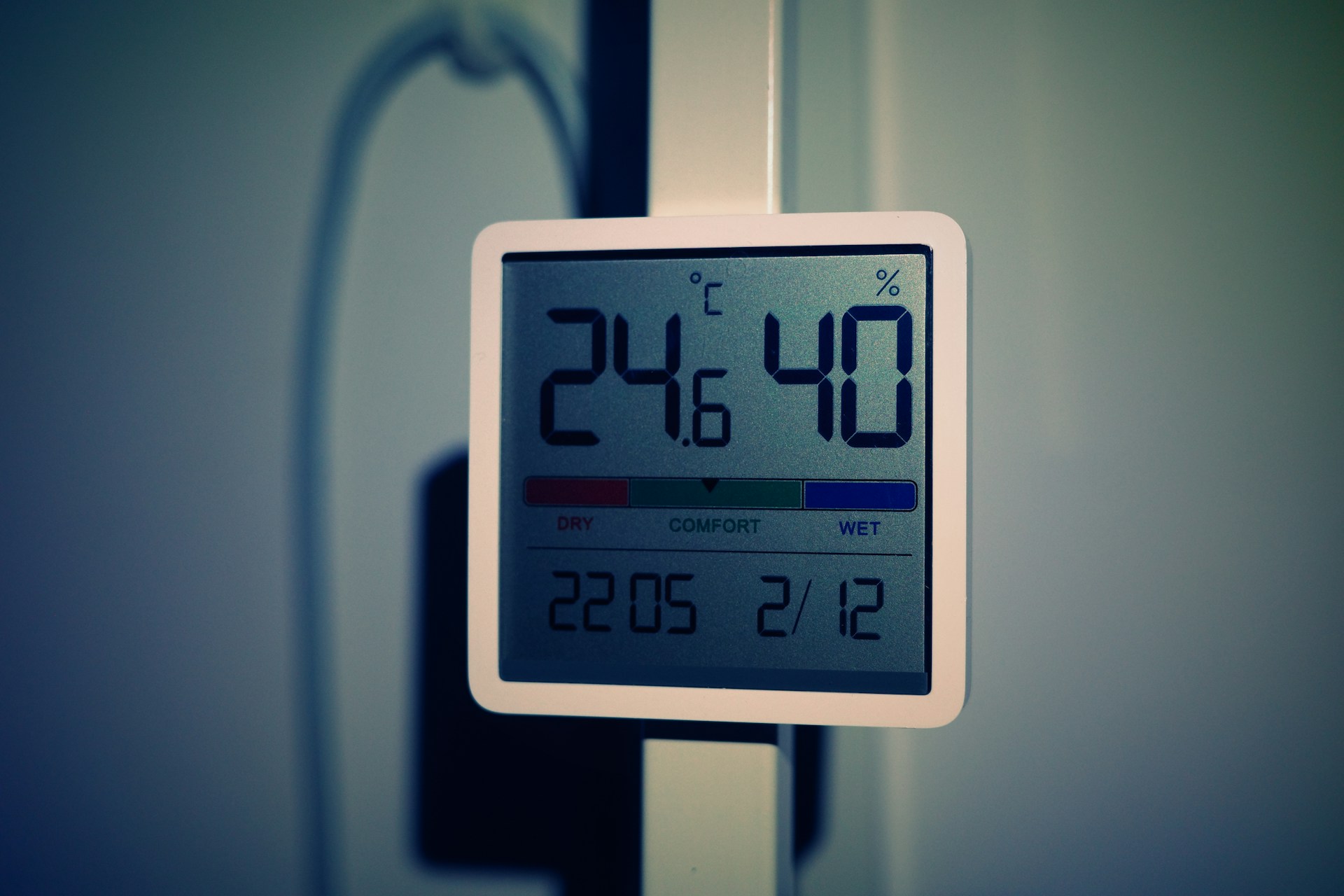
Wireless temperature monitoring keeps your products, samples, and spaces within safe limits. But the same systems that protect your work can quietly waste a lot of energy in the background. That waste shows up as higher utility bills, stressed backup power, and surprise failures when you need the system most.
In this article, we will walk through how wireless monitoring burns extra energy, how real-time energy monitoring systems shine a light on those hidden costs, and what simple configuration choices can turn your monitoring network into a smarter, more efficient part of your facility.
Stop Silent Energy Leaks in Your Monitoring Network
Wireless sensors are now standard in labs, cold storage, pharma, and other regulated spaces. They protect product quality and help you stay compliant with temperature and humidity requirements. But many teams never look at how much energy those systems use over time.
Here is where things often go wrong:
- Legacy gear that was never tuned for efficiency
- Sensors transmitting far more often than needed
- Backup power that is sized for the wrong load
When batteries or power supplies fail early, you do not just lose money; you also risk gaps in monitoring data. By uncovering hidden energy waste, you can lower operating costs, extend backup runtimes, and walk into audits with more confidence.
Where Wireless Monitoring Systems Waste Energy
Most energy waste in monitoring networks comes from how the wireless side is set up and how the hardware is chosen.
Always-on radios and chatty sensors create a steady drain. Common issues include:
- Sensors sending data every few seconds, even when conditions are stable
- Constant handshakes and retries between sensors and gateways
- Wireless protocols that keep radios awake longer than needed
Another quiet drain is overpowered hardware for simple jobs. For example, using:
- Large enterprise Wi-Fi for a small group of sensors
- Heavy tablets or PCs as fixed monitoring displays instead of low-power devices
Then there is placement. If sensors sit in areas with weak signals or a lot of interference, they work harder to connect. That means:
- Higher transmit power from each sensor
- More retries and dropped packets
- Extra run time for access points and network gear
All of that adds up to more energy used by both the monitoring network and the facility infrastructure that supports it.
How Real-Time Energy Monitoring Systems Expose Waste
You cannot fix what you cannot see. That is where real-time energy monitoring systems come in. By putting small energy meters on power circuits that feed your gateways, base stations, and network closets, you get a live picture of how much power your monitoring stack is really using.
The real value shows up when you line up that energy data with how the sensors behave. For example, you can compare:
- Energy use against sensor transmission logs
- Spikes in power use against alarm storms or network outages
- Power draw from different rooms or buildings against their device layouts
When you pair energy readings with device behavior, you can see which settings, locations, or devices are driving the biggest peaks.
Smart alerts take it one step further. With seasonal baselines, you can:
- Flag abnormal jumps in power that hint at failing power supplies
- Catch radios stuck in high-power modes after a config change
- Spot HVAC systems working too hard around your monitoring equipment
Over time, this reveals patterns that would otherwise stay hidden behind a normal-looking monitoring dashboard.
Seasonal Energy Spikes From Heat and Cold
Energy waste in monitoring systems is not the same all year. It shifts with the weather, especially in hot summers and cold winters.
When the weather warms up, several things happen:
- HVAC systems run longer to keep rooms in range
- Batteries near hot equipment wear down faster
- Wireless gear in warm, crowded spaces works harder to stay connected
In the winter, the pattern flips. To protect sensitive areas, many teams tighten temperature and humidity ranges. That can lead to:
- More frequent alarms during minor swings
- Extra sensor transmissions and acknowledgments
- More processing load in the backend as alarms get logged and escalated
When you combine wireless monitoring with real-time energy monitoring systems across the whole year, you can tune your setup season by season. That might mean:
- Slightly adjusting alarm thresholds around known seasonal swings
- Relaxing transmit intervals overnight or when processes are stable
- Tweaking HVAC setpoints where you see repeated over-conditioning
Those small changes can keep energy spikes from turning into a regular part of your summer and winter bills.
Smarter Configurations That Cut Energy Use
You do not always need new hardware to save energy. Often, the biggest wins come from smarter configuration.
For sampling and transmit intervals, we often look at:
- Matching sensor frequency to how fast conditions really change
- Slowing transmissions during stable periods or off-hours
- Using tighter intervals only during critical steps in a process
Network design also plays a big role. An efficient layout usually includes:
- Gateways placed where sensors have strong, clean signals
- Mesh paths that avoid long hops and heavy interference zones
- Wireless protocols that sleep radios as much as possible
On the compliance side, power-aware alarm logic matters. You can:
- Combine minor excursions into intelligent, batched alerts
- Set clear escalation paths that avoid alarm floods
- Right-size data retention so you keep what regulators expect without storing and processing every tiny blip
Done well, you stay compliant while cutting down on unnecessary messaging, processing, and storage.
Building an Energy-Efficient Monitoring Ecosystem
Over time, the choices you make about sensors, gateways, and cloud software shape your energy footprint. Selecting hardware that draws less power but still meets regulatory needs can lower long-term operating costs and stretch backup power during outages.
A few focus areas:
- Low-draw wireless sensors sized for the job
- Gateways that manage many devices without heavy idle loads
- Cloud platforms that process and store data efficiently
Real savings tend to come from continuous tuning, not one-time fixes. That is why managed services matter. With ongoing health checks, firmware updates, and configuration reviews, you can keep your monitoring network aligned with how your facility actually runs, season after season.
When environmental monitoring and real-time energy monitoring systems work together, compliance stops being just a box to check. It becomes a way to:
- Reduce utility use
- Cut emergency callouts from surprise failures
- Extend the life of sensors, gateways, and backup power
Hidden energy waste turns into a clear opportunity, and your monitoring network starts working for both quality and cost control at the same time.
Cut Energy Waste And Protect Your Facility In Real Time
If you are ready to see exactly how your equipment is performing and where energy is being wasted, our real-time energy monitoring systems give you the visibility you need. At Qualified Controls, we design and install solutions tailored to your building, budget, and operational goals. Reach out today so we can review your current setup and recommend a clear, practical path to improve reliability and reduce costs.