
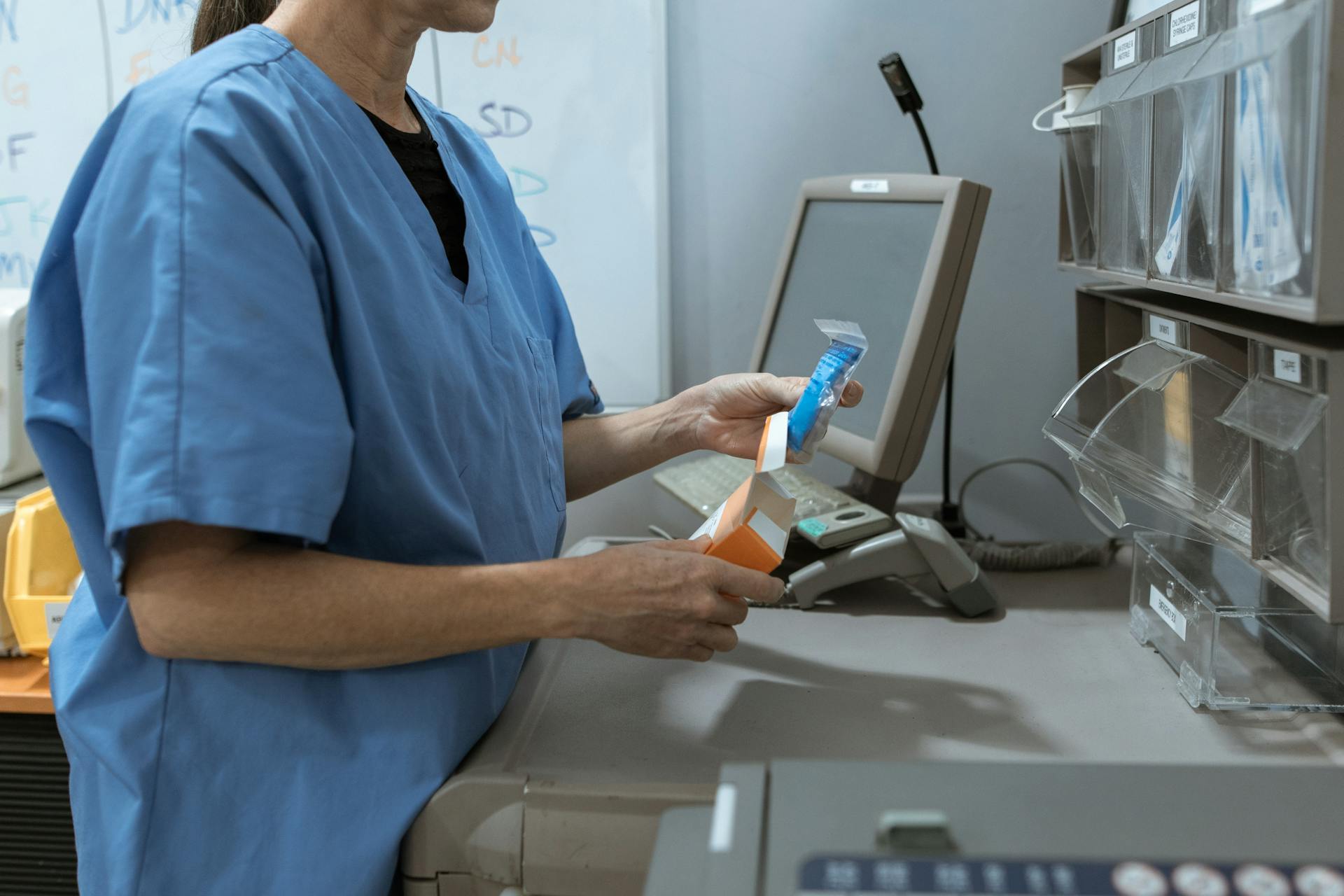
Designing a Temperature Monitoring Strategy for Hospital Pharmacies
Protecting temperature-sensitive medications in a hospital pharmacy is not optional. When products sit outside their proper range, even for a short time, you are not just risking money; you are risking patient care. A smart temperature monitoring plan keeps inventory safe, supports your staff, and helps everyone sleep a little better at night.
In this article, we will walk through how to design a pharmacy temperature monitoring solution that fits real hospital life. We will look at regulations, where to place sensors, how to tie monitoring into daily work, and how to use data to get ready for summer heat, storms, and HVAC strain before they cause problems.
Protecting Pharmacy Inventory and Patient Safety Year-Round
Hospital pharmacies manage high-value drugs, biologics, and vaccines that must stay within tight temperature and humidity ranges. When something slips, you face product waste, rushed replacements, and hard conversations with clinical teams about what is safe to use.
A modern pharmacy temperature monitoring solution helps by:
- Reducing manual checks and clipboard logs
- Catching issues early, before products are lost
- Giving pharmacy leaders a clear, real-time picture of storage conditions
Seasonal pressures make this even more important. As warmer months arrive, HVAC systems work harder, doors open more often, and power events from storms become more common. May is a smart time to step back, review your monitoring strategy, and close gaps before peak summer hits.
Automated, cloud-based systems with wireless sensors and real-time alerts are becoming the new standard in regulated healthcare spaces. They give continuous visibility, so staff do not have to be standing in front of every unit to know what is going on.
Regulatory and Clinical Requirements You Cannot Ignore
Regulators and accrediting bodies expect hospital pharmacies to monitor temperature and related conditions in a consistent, documented way. Expectations come from:
- USP <797> and <800>
- CDC Vaccine Storage and Handling guidance
- State board of pharmacy rules
- Accreditation programs such as The Joint Commission or DNV
Typical targets include:
- Refrigerated medications: usually in a narrow cold range
- Frozen items: colder, stable storage with limited door opening
- Room-temperature products: controlled room temperature, not just any room on the floor
Even short excursions can affect drug stability, potency, and shelf life. When inspectors ask what happened during an event, they want more than a paper log filled out once per shift. They want:
- Continuous monitoring data
- Calibrated sensors with documented accuracy
- Audit-ready reports
- Clear response procedures and records of what staff did
Good compliance also lowers risk. Solid monitoring supports better product decisions, fewer medication errors related to storage, and steady trust across pharmacy, nursing, and providers.
Mapping Your Pharmacy’s Critical Temperature Zones
A strong strategy starts with a risk-based review of where temperature-sensitive items live and move. This goes well beyond the main refrigerator in the pharmacy.
Walk your spaces and list:
- Refrigerators and freezers
- Automated dispensing cabinets
- Cleanrooms, anterooms, and compounding areas
- Receiving docks and short-term holding spots
- Medication carts and pass-through cabinets
Next, think about patterns. Are there cool corners or warm zones in certain rooms? Units near exterior walls or windows? Doors that stay open during busy med pass times? Seasonal HVAC changes can shift these patterns, especially in hot, humid climates or when storms roll through.
Do not forget backup and less obvious areas. Backup storage rooms, quarantine shelves, and off-site clinics or outpatient sites can all hold critical stock. Unmonitored spaces become blind spots that only show up when something fails.
Including both pharmacy and facilities staff in walkthroughs helps. They know restocking schedules, typical transport times, and how long doors are propped open during deliveries, all of which can affect stability.
Building a Reliable Pharmacy Temperature Monitoring Solution
Once you know your risk zones, you can design a monitoring setup that matches them. A modern pharmacy temperature monitoring solution often includes:
- Wireless sensors or probes
- Calibrated temperature (and possibly humidity) inputs
- Gateways that send data to the cloud
- Secure, long-term data storage
- Configurable alerting and reports
When comparing options, key questions include:
- Are sensors accurate, with calibration traceable to standards like NIST?
- Is battery life long enough for your maintenance cycle?
- Does wireless range fit your building layout, including basements or thick walls?
- Can the system monitor more than temperature, like humidity or differential pressure, if needed?
Alerting is where theory meets real life. You need text, email, or phone alerts that:
- Trigger at the right thresholds, with reasonable delays
- Follow escalation paths that match pharmacy on-call schedules
- Avoid constant false alarms that staff start to ignore
Cloud-based systems help by giving remote access nights, weekends, and during emergencies. They also make it easier to monitor multiple hospital buildings from one dashboard and keep backups in place during power or network events.
Integrating Monitoring Into Daily Pharmacy Operations
Even the best technology fails if it sits on the side, ignored. Monitoring should be part of normal pharmacy work, not a special project.
That might include:
- A quick dashboard review at the start of each shift
- Verifying and closing any open alerts before shift change
- Linking checks to existing steps like controlled substance counts or fridge restocking
Clear standard operating procedures matter. Staff should know:
- What counts as an excursion for each storage type
- Who they call or notify
- When to move, quarantine, or discard product
- How to document both the event and the follow-up
Role-based access and training keep everyone in sync. Pharmacists, technicians, and facilities staff may see different views or alerts, but they should all understand what the alarms mean and what actions they are responsible for.
Monthly or quarterly reports can support quality reviews. Over time you may spot recurring spikes in certain units, doors, or times of day. That information can guide maintenance, gasket replacement, or even replacement of older equipment before it fails during a heat wave.
Using Data to Drive Continuous Improvement and Cost Savings
Continuous environmental data is more than a compliance box. It is a tool for smarter decisions.
Trend reports from a pharmacy temperature monitoring solution can reveal:
- HVAC issues that show up as slow daily swings in room temperature
- Refrigeration units that recover more slowly or drift more often
- Workflows that keep doors open longer than expected
With that insight, hospitals can better justify capital projects like new refrigerators or backup power for critical areas, instead of waiting until a failure forces an emergency purchase. Stocking strategies can shift too, such as placing the most temperature-sensitive products in the most stable units.
Cloud-based records also simplify audits and incident reviews. When questions come up, pharmacy leaders can pull exact timelines, graphs, and notes that show active oversight, not just reaction after something went wrong.
Heading into the hottest months, a data-driven approach can reduce emergency transfers, last-minute manual checks during storms, and overtime tied to crisis response. It also supports more predictable maintenance planning instead of surprise breakdowns.
Take Strategic Action Before Summer Heat Arrives
As warmer weather approaches, it is a good time for pharmacy, quality, and facilities teams to step back and review the current monitoring setup. Look for gaps in sensor coverage, alert settings that no longer match your staffing, and units that have a history of borderline readings.
A focused action plan might include:
- Verifying temperature ranges for each storage type
- Adding or relocating sensors in known hot or cold spots
- Adjusting alert thresholds and delays for summer conditions
- Updating SOPs and refresher training so staff know what to expect
By pairing thoughtful planning with an automated, cloud-based pharmacy temperature monitoring solution, hospital leaders can protect patient care and inventory across the entire system, even during peak heat and storm seasons. Solutions like those from Qualified Controls are built to support this type of continuous, reliable oversight so your teams can focus on clinical work with greater confidence.
Protect Medication Quality With Reliable Remote Monitoring
If you are ready to strengthen compliance and safeguard every dose, our pharmacy temperature monitoring solution gives you continuous visibility and alerts across all your storage locations. We design and support systems that help you prevent excursions before they become costly issues. Our team at Qualified Controls will work with you to tailor monitoring to your pharmacy workflow so your staff can focus on patient care with confidence.