
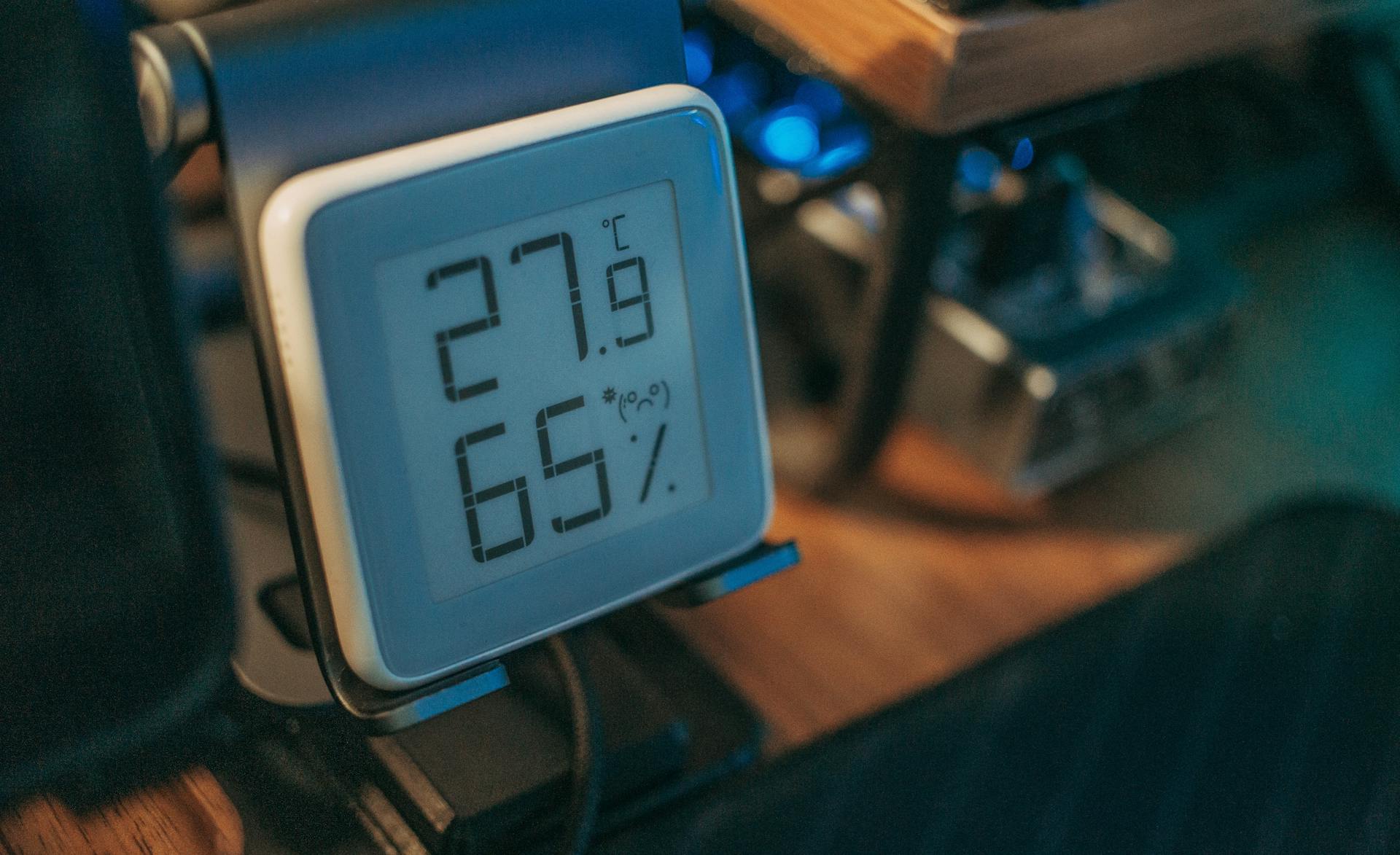
Opening a new hospital wing is exciting, but it also brings a lot of risk around temperature and humidity. From the first day, every fridge, freezer, cleanroom, and patient space needs to stay within tight limits. A missed temperature spike in a blood bank or medication fridge can undo months of planning in a single afternoon.
In this article, we walk through how to plan a temperature monitoring system installation that keeps up with real life in late spring and summer. We will look at how to map critical spaces, design a wireless backbone, set alarms that people can actually manage, and stay survey-ready, all with safety, compliance, and uptime in mind.
Safer New Wings Through Smarter Temperature Control
New hospital wings often open just as outside temperatures are warming up. The building envelope is still settling in, HVAC is being tuned, and new equipment is coming online. At the same time, staff are learning new spaces and workflows. All of this puts extra stress on refrigeration and room conditioning.
That is why a well-planned temperature monitoring system installation is not a “nice to have.” It is mission critical for areas like:
- Pharmacy cleanrooms and medication storage
- Blood banks and tissue storage
- Labs and imaging suites
- ORs, ICUs, neonatal and isolation rooms
- Food service, coolers, and freezers
A turnkey wireless setup that tracks temperature, humidity, and other key points helps support compliance, patient safety, and continuity of care. When monitoring is built into design and commissioning, the wing opens with fewer surprises, less rework, and a lower chance of citations later.
Mapping Critical Spaces Before You Break Ground
Planning starts on paper, long before drywall and ductwork go up. The goal is to know exactly which areas are temperature sensitive and how they will be used.
We recommend listing every space where temperature or humidity really matters:
- Pharmacy cleanrooms and medication rooms
- Refrigerators, freezers, and ultra-low freezers
- Blood and tissue banks
- Labs and specimen storage
- Imaging and procedure suites
- ORs, neonatal, isolation, and special care rooms
- Food storage, prep, and serving areas
Each of these has its own rules and expectations. For example, vaccine storage follows CDC guidance, compounding spaces follow USP standards, and blood storage aligns with AABB requirements. Joint Commission and other accrediting groups also expect clear control and documentation.
To bring that together, work with:
- Facilities and HVAC teams
- Pharmacy and lab leaders
- Nursing and perioperative teams
- Infection prevention
- IT and clinical engineering
Together, build a simple monitoring risk matrix. Rank each area by patient impact and regulatory risk. Higher risk zones may need more sensors, tighter alarm thresholds, and backup monitoring for key units.
Do not forget seasonal stress. Late spring and summer mean higher outdoor temperatures and humidity, more strain on condensers, and more staff opening doors and loading equipment. Plan backup coverage for high-risk devices that are more likely to struggle when the heat ramps up.
Engineering a Robust Wireless Monitoring Backbone
Hospital buildings are tough on wireless signals. You have concrete, thick walls, metal doors, and lots of active equipment. A good monitoring backbone is designed around those realities, not dropped in at the last minute.
A strong wireless plan should include:
- Site surveys to spot dead zones and interference
- Strategic placement of repeaters and gateways
- Coverage plans for shielded rooms and basements
Next, choose sensors suited to each job. Ultra-low freezers need different probes than standard med fridges. Ambient spaces like patient rooms and ORs may need both temperature and humidity. Sterile storage and central supply often have tight humidity limits that matter just as much as temperature.
Integration is another key step. The monitoring system can often tie into:
- Building management or HVAC control systems
- Nurse call for urgent clinical alarms
- Email, SMS, or on-call tools for escalation
Power and data resilience are just as important, especially with summer storms or planned shutdowns. Look for features like battery-backed sensors, offline data buffering, and redundant gateways so you do not lose data during outages or maintenance.
Designing Alarms, Workflows, and Escalation That Work
A monitoring system is only helpful if people can respond to its alarms. Poorly tuned alerts can overwhelm staff and end up ignored, which is the opposite of what you want.
Start by defining role-based rules:
- Who gets the first alert by area
- What counts as critical versus noncritical
- Expected response times
- When to escalate to leadership or on-call teams
Write these expectations into simple SOPs that are part of opening-day training.
Then, tune alarm logic to cut down nuisance alerts. Helpful tools include:
- Short delay windows before an alarm fires
- Rate-of-change rules to catch rapid failures
- Different thresholds during known events like door openings or defrost cycles
Standardized response checklists are also helpful. For example, if a fridge goes high:
- Check the door and gaskets
- Confirm product placement and air flow
- Move product if needed
- Log actions and adjust equipment service requests
Test the whole setup under summer-like conditions. High census, holiday staffing, heavy loading, and warm ambient air can stretch systems. Tabletop drills or live tests show if coverage, response times, and escalation paths are realistic.
Ensuring Compliance, Validation, and Survey Readiness
Regulated spaces depend on proof, not just good intentions. That means your temperature monitoring system installation needs to line up with the standards that apply to your wing.
Key areas to align with include:
- FDA expectations for storage and documentation
- USP guidance for pharmacy and cleanroom spaces
- CDC vaccine storage rules
- AABB standards for blood and tissue
- Accreditation body requirements
Plan a formal validation cycle before opening. Many hospitals follow an IQ, OQ, PQ approach. In simple terms, you confirm that the system is installed as designed, works as intended, and keeps performing under real-life use. Each step should have clear protocols and reports.
Calibration and maintenance are just as important. Every sensor should start with valid calibration documentation. Then you need:
- A clear recalibration schedule
- Tracking of due dates and reminders
- Easy access to records during surveys
Finally, set up reporting inside the monitoring software. Standard reports, trend charts, alarm logs, and electronic signatures help show continuous control, especially during hot weather or known stress events.
Partnering for a Seamless Temperature Monitoring System Installation
Pulling all of this together takes time, coordination, and experience. Working with an environmental monitoring partner that understands regulated healthcare spaces can make the process smoother from design through daily use.
A turnkey approach often includes:
- Early site review and monitoring risk assessment
- Wireless network design and sensor selection
- On-site installation and commissioning
- Software setup, user roles, and alarm rules
- Staff training and clear documentation
Ongoing managed monitoring with 24/7 review can help your team stay ahead of equipment failures, seasonal temperature swings, and changing regulatory expectations. At Qualified Controls, we focus on wireless environmental monitoring for hospitals, labs, biotech, and food-related facilities, tying calibrated sensors to cloud software so your team has the data and alerts it needs from day one of a new wing.
Get Started With Your Project Today
If you are ready to protect your inventory and maintain consistent product quality, we are here to help you plan and execute a reliable temperature monitoring system installation. Our team at Qualified Controls will assess your facility, recommend the right configuration, and handle every detail from setup to validation. Reach out today so we can schedule a consultation and design a compliant, future-ready solution for your operation.