
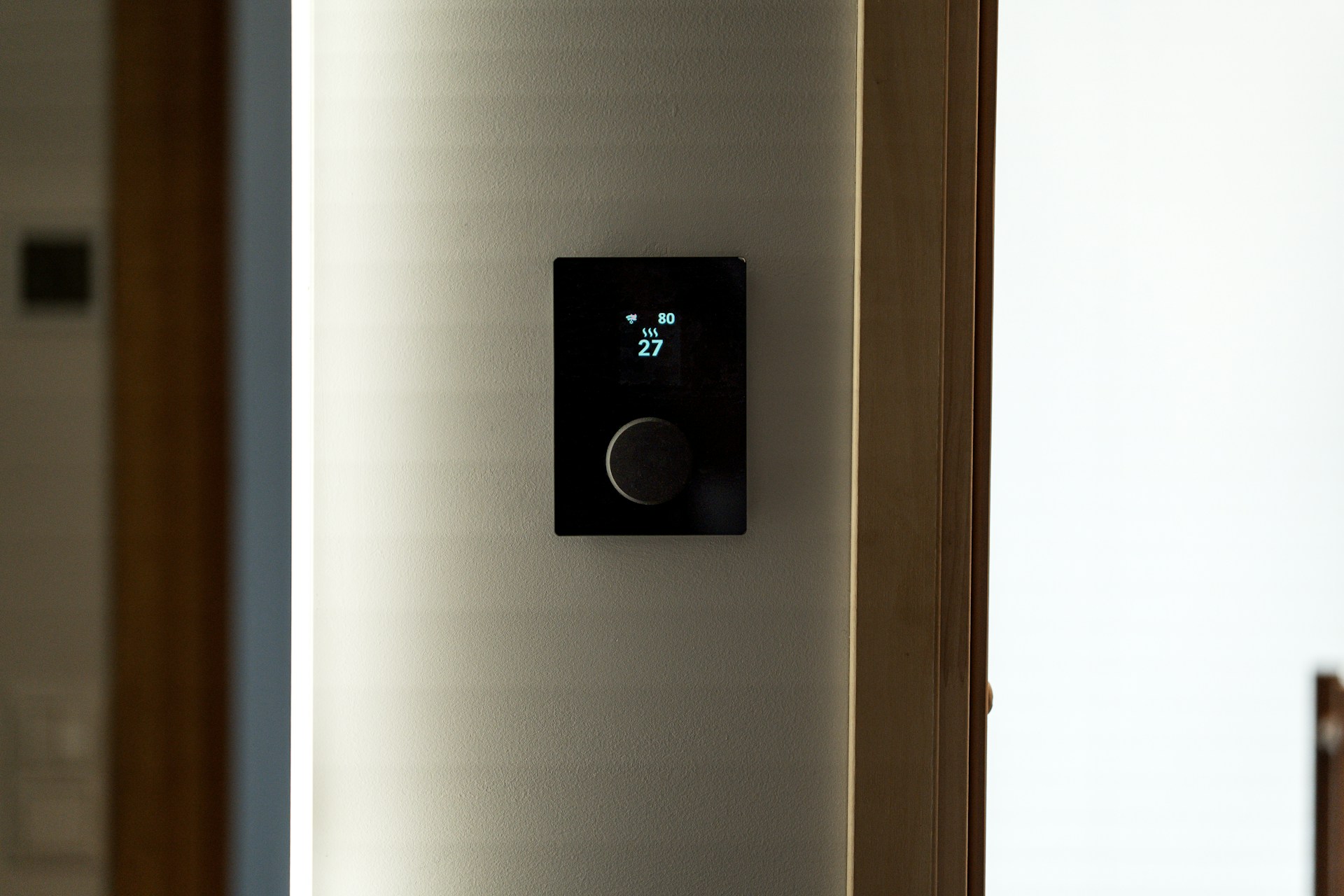
Opening a new lab means thinking about much more than benches and instruments. If your team will store samples, biologics, vaccines, or any temperature-sensitive material, you need a clear lab temperature monitoring solution from the very beginning. A good plan protects your work, keeps inspectors confident, and saves everyone from panic when something warms up or cools down at the wrong time.
Here, we walk through how to design automated temperature monitoring into a new lab, step by step. We look at what you need to protect, how to plan your system, how to line up with regulations, and how to prepare for summer heat and power hiccups so your lab can run with less stress all year.
Build Temperature Monitoring Into Your Lab From Day One
Planning monitoring early is much easier than trying to add it after the lab is built. When teams wait, they often face:
- Extra construction or retrofits
- Delayed validation and go-live dates
- Workflow changes and downtime while sensors and cables are installed
Thinking about your lab temperature monitoring solution during design affects almost everything. It touches where you place cold storage and incubators, how you run electrical power, and how your IT network supports data traffic. Early planning also helps you choose between wired and wireless sensors in a smart way, instead of forcing workarounds later.
Automated environmental monitoring is now a basic part of GxP, CAP, CLIA, and ISO-focused lab design. It is not just a nice add-on. Inspectors expect continuous records, clear alarms, and proof that you are watching your conditions, not just filling in paper charts.
If your lab opens in May, seasonal timing matters. As weather warms and HVAC systems work harder, equipment is more likely to drift out of range. Summer heat makes it harder for refrigerators, freezers, and incubators to hold steady, so planning for higher ambient temperatures during design helps you avoid early surprises.
Define What Your Lab Must Protect and Prove
Before you pick hardware or software, get clear on what really needs protection. Build a simple inventory of critical assets, such as:
- Refrigerators, freezers, and ultra-low freezers
- Liquid nitrogen tanks and cryo storage
- Incubators and stability chambers
- Cleanrooms and controlled-temperature rooms
- Any rooms with sensitive reagents or finished product
For each asset, define acceptable temperature and humidity ranges. Use a mix of manufacturer instructions for use, pharmacopeial standards where they apply, and your internal quality policies. This gives you real limits to monitor, not just guesses.
You are solving two problems at once. One is protecting product integrity so samples, reagents, and biologics stay usable. The second is proving control to other people, like auditors, sponsors, and inspectors. Automated records should be clear enough that someone who was not there can still see what happened and when.
It helps to think in terms of risk. Start with:
- High-value or irreplaceable samples
- Storage that supports patient care or regulated studies
- Equipment that has a history of drift or failure
Prioritize continuous automated monitoring in those areas first. Then plan to expand coverage as your research scope, headcount, and inventory grow.
Architect a Future-Ready Lab Temperature Monitoring Solution
Cloud-based automated monitoring changes daily life in the lab. Instead of staff writing down readings a few times a day, you get:
- 24/7 coverage, including nights and weekends
- Real-time dashboards you can see from almost anywhere
- Fewer manual entry errors and missing data
- Automatic logs ready for review and audit
For new labs, you can choose between wired and wireless sensors with fewer limits. Wired sensors can be very stable but need careful routing through walls and ceilings. This adds time and can be tricky in buildings with limited access. Wireless sensors can be easier to place, especially for high-density spaces or where equipment is likely to move.
When you choose wireless, think about:
- Wall construction and distance that might weaken radio signals
- Other systems that could cause interference
- Where to place gateways so coverage is steady
A strong system design also includes redundancy, so one gateway or network hiccup does not stop data. Battery-backed sensors keep logging during power issues. Secure data transmission keeps IT teams comfortable and lines up with internal security rules. Many labs also want monitoring to talk to existing IT systems, building management, or LIMS so data does not live in a silo.
Scalability is key. Your monitoring platform should make it easy to add more sensors, cover new rooms, or track extra parameters like humidity or differential pressure. As seasons change or your lab adds new equipment, you should be able to grow without starting over.
Align Monitoring Strategy with Compliance and Audit Readiness
Regulated labs need more than pretty graphs. Records must be ready for review and meet requirements like 21 CFR Part 11. That usually means:
- Secure user accounts and role-based access
- Time-stamped audit trails for changes and events
- Electronic signatures where your quality system needs them
- Clear data retention rules that match your policies
Validation is another big piece. A monitoring system should go through IQ, OQ, and PQ so you can show it was installed and works as intended. New cold rooms or freezers often need mapping studies to understand hot and cold spots before you set sensor locations. Plan to finish this work before the first high-risk samples arrive.
Automated alerts and documented responses are very helpful during inspections. When alarms have clear thresholds, escalation rules, and response notes, it is easy to show that your team does not just wait for problems. You can quickly pull trend reports filtered by date, room, or piece of equipment to answer questions about seasonal spikes, outages, or excursions.
Design Alerts, Workflows, and Summer Stress Tests
Alerts are where planning meets real life. Good alarm setup usually includes:
- Normal set points
- Warning and critical thresholds with clear gaps
- Notification channels like SMS, email, or voice calls
- On-call coverage for nights, weekends, and holidays
Tie those alerts to real people and real SOPs. Decide in advance:
- Who responds first for each type of alarm
- When to escalate to managers, quality, or facilities
- What needs to be documented every time
- How to check product impact and make disposition decisions
Labs that open in late spring should also plan seasonal stress tests as summer arrives. You can simulate events like power failures, HVAC faults, or a door left open for too long. Watching how long equipment holds temperature and how fast alerts fire helps you fine-tune thresholds and response times.
Trending and analytics turn all that data into early warning signs. You can spot freezers that take longer to recover after door openings or incubators that drift up when the hallway gets hot. Catching those patterns before a hard failure gives your team time to move inventory or schedule service.
Turn Your Monitoring Blueprint Into a Live, Validated System
Once the plan is clear, turn it into action with a simple sequence:
- Gather requirements from lab leadership, quality, and IT
- Design the system and create a sensor placement plan
- Install sensors, gateways, and software
- Complete validation and mapping where needed
- Train staff on dashboards, alerts, and response SOPs
- Go live before you store high-risk or irreplaceable material
A specialized provider like Qualified Controls can help translate your lab layout, regulatory profile, and risk priorities into a practical, validated monitoring roadmap. That includes paying attention to local climate and how summer heat and humidity affect your building and equipment.
Think of your lab temperature monitoring solution as a living system, not a one-time project. Plan regular reviews of alarm performance, seasonal adjustments, and new mapping when you add major equipment or storage rooms. With that mindset, your monitoring grows right alongside your science, patient work, or production goals, so you stay ready for whatever the next season brings.
Protect Your Lab Integrity With Reliable Temperature Monitoring
If you are ready to reduce risk, simplify compliance, and gain real-time visibility into every critical storage area, our team at Qualified Controls is here to help. Explore our proven lab temperature monitoring solution to see how we can safeguard your samples and equipment across one or many locations. We will work with you to tailor a system that fits your workflows, validation needs, and audit requirements.