
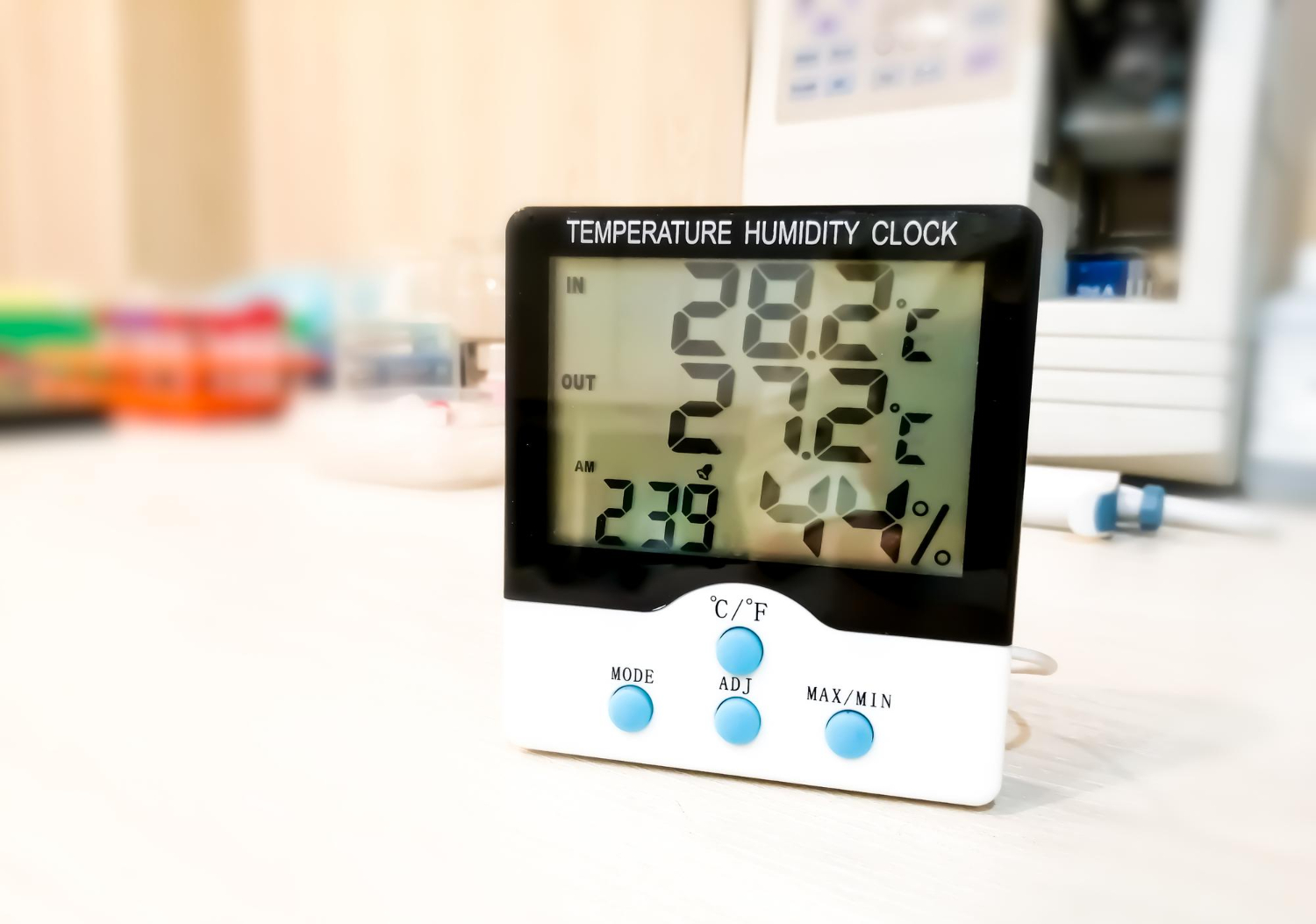
Many labs in Durham, NC keep a close watch on temperature-sensitive areas, especially where blood, tissue, and medicine are stored. But as the weather warms up in spring, it helps to take a fresh look at how well that monitoring is working. Remote temperature monitoring is one way we add extra protection to our everyday routines, especially around this time of year, when things can shift without much warning.
With summer just ahead, we use spring as a checkpoint. Are sensors still sending alerts on time? Are storage rooms holding steady? Now’s the time to fix anything that looks off before the busier months set in. Here are a few ways we keep our setup solid and our records in good shape as the seasons change.
Why Spring Is a Smart Time to Review Monitoring Tools
A few things tend to change between winter and summer, especially inside labs and storage rooms. We trust our monitoring tools year-round, but spring is when we double-check that everything’s still running smoothly.
- Warmer air outside can make cooler areas inside work harder to stay cold. Vents might shift, fans might run longer, and humidity can creep up, all of which change how stable a space feels.
- Spring is also a common time for updates, repairs, or small renovations. If walls shift, equipment gets moved, or airflow is adjusted, those changes can throw readings off unless we’re watching for them.
- Remote tools help spot trends earlier. If blood bank refrigerators or tissue storage rooms are warming faster than usual, we want to know now so we don’t find out during an inspection later.
Doing a few small checks in spring makes it a lot easier to keep up with changes, fix problems early, and stay ready for any schedule updates or audit requests that come our way.
What to Look For in a Remote Monitoring System
For labs that store blood, platelets, or tissues, small changes can make big differences. We count on tools that don’t just record temperature but alert us when things drift from a safe range.
These are the main things we need from a strong system:
- Sensors that track key zones like refrigeration, freezing, or room-temp storage depending on what’s being protected
- Alerts that come through clearly when something starts to leave its safe zone
- Dashboards and reports that are easy to read and make audit prep faster
Qualified Controls offers remote temperature monitoring systems with cloud dashboards, real-time alerts, and digital logging features for multiple products and storage types in one setup.
Each blood product or tissue type has its own storage range. We match our monitoring tools to those needs, so we can show exactly what happened, when, and how long a space stayed out of range if something went wrong. That history matters when we’re working with groups like the FDA or AABB.
Set Up Smart Alerts and Backups
Alerts only work when the right people get them fast and know what to do next. If one alert gets missed, we could lose supplies before someone even realizes there’s a problem. That’s why we set up layers of backup and make sure notifications land with more than one person.
Here’s what that looks like:
- Set alerts to go to at least two people. One might be off duty or miss the message, but the second can still act.
- Keep notifications simple. If we get flooded with texts or pings for small swings that aren’t harmful, we might ignore the ones that matter.
- Use backups for both power and data. If a lab loses power for any reason, we want sensors that keep tracking and syncing once systems come back online.
Qualified Controls supports both AC and battery backup power in monitoring devices, and multiple users can receive alarms via email or SMS to catch issues from anywhere.
Having that buffer makes a big difference, especially if storage is holding blood products or tissues that can’t be replaced easily.
Common Reasons Sensors Stop Reporting Correctly
Most monitoring systems work well every day without issues. But there are a few things that can throw off our readings, and we check for them during spring maintenance.
- Battery levels can drop, especially if a sensor’s been active for several years.
- If a cooler or freezer gets moved or reorganized, the sensor might not be in the best spot anymore.
- When HVAC systems shift their airflow with the seasons, that can affect storage areas or throw off zone readings if vents are nearby.
We stay ahead of these changes by walking the space, checking placements, and using test readings now rather than waiting until there’s a temperature warning.
Keeping a Trusted Record for Blood and Tissue Storage
Labs that store human tissue or blood need to be ready any time an audit happens. Reviewers expect clear, reliable records that show proper storage across every day, not just when someone checked it manually.
We focus on:
- Automated logs that track every change and include time stamps
- Data that can’t be changed after the fact, to show that no one edited the numbers
- Rather than paper charts or sticky notes, we rely on digital logs that live in secure systems
Rules set by the FDA, AABB, and CDC support this kind of record keeping. It shows we’re meeting storage limits and acting fast when something moves out of range. For blood banks and tissue labs especially, keeping storage steady is just part of doing the job right. Qualified Controls monitoring solutions are audit-ready and help generate PDF or spreadsheet reports for easy compliance checks.
Stay Ready All Summer Long
Spring doesn’t usually bring big extremes in temperature, but it’s the warning sign that summer’s on the way. That makes it the best time to fix loose ends, track unusual spikes, and reset any alerts or sensors that aren’t working quite right.
Remote temperature monitoring helps us stay aware of how storage spaces function across each part of the lab. When the data comes in clearly, alerts land on time, and records stay clean, it takes one more worry off the list. That way we’re free to focus on what counts, keeping supplies safe and staying ready no matter what shifts around us.
At Qualified Controls, we make it easy for labs in Durham, NC to streamline daily readings and alerts. Whether you need spring tune-ups or year-round backup checks, organized records and prompt notifications are essential to your workflow. Our systems support FDA and AABB guidelines, so you can stay focused on your core work. With dependable tracking and remote temperature monitoring, your team can expect fewer interruptions and greater peace of mind. Contact us to get started.