
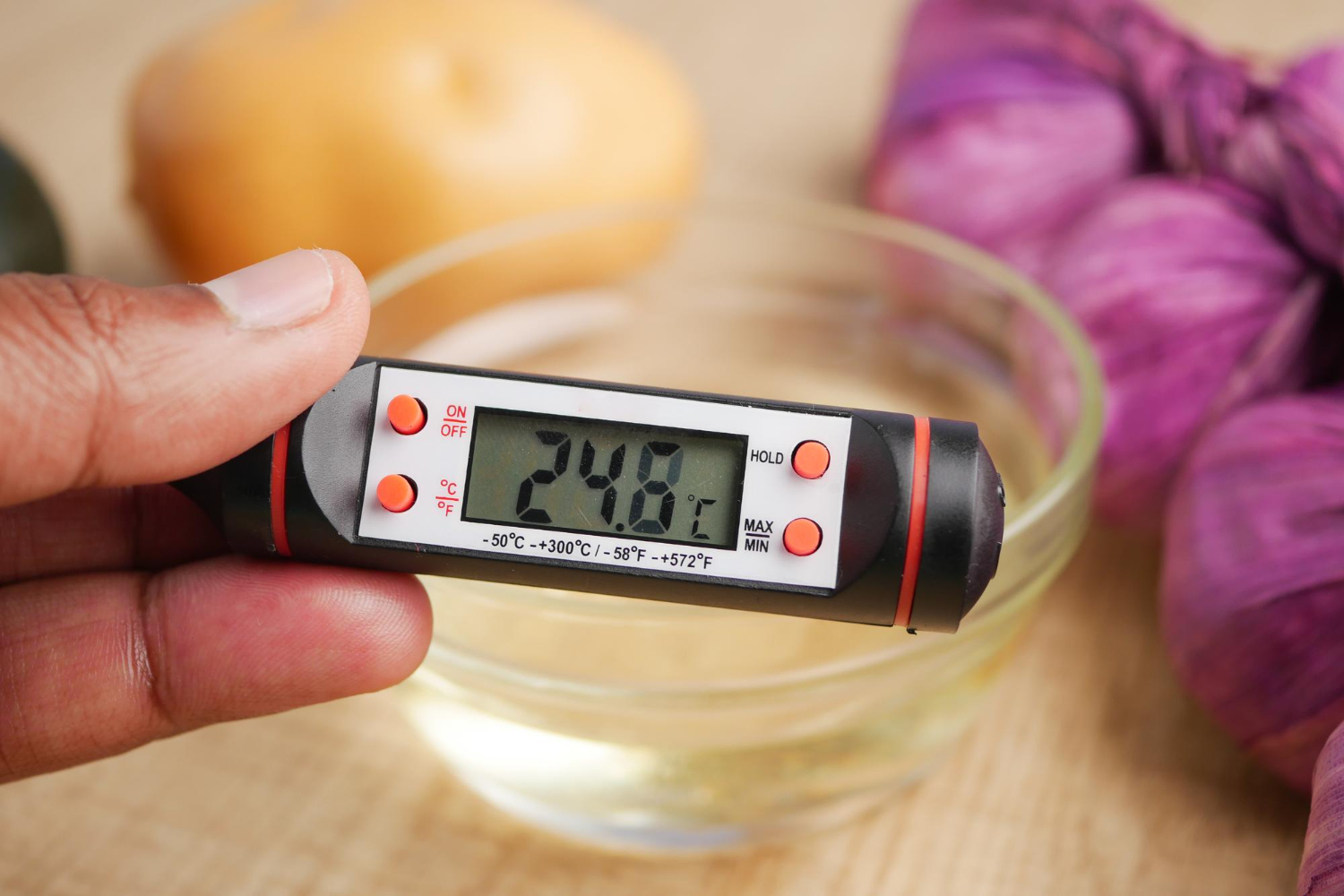
As spring settles in across Durham, NC, we start to see temperature swings that can quietly challenge cooler storage in healthcare kitchens. One minute a walk-in cooler is right on target, and the next, it has drifted just enough to create a risk. For hospitals preparing meals around the clock, anything that helps spot those shifts early makes a real difference.
That is where a cellular temperature monitor adds some peace of mind. It keeps a close watch on cooler conditions and sends out alerts when temperatures begin to move out of the safe zone. Unlike older systems, it does not rely on the building’s internet or require someone to notice a number on a wall panel.
In spring, when days warm up fast and cooler systems get pushed harder, having a backup plan that runs on its own network makes things a lot easier. So now is a good time to check in on your current setup, especially before summer heat starts to peak.
Why Refrigerator Temperatures Matter in Hospitals
Food stored in hospitals is not just about meals for staff or visitors. Some of it supports treatment plans, like nutrient-rich shakes or soft foods for recovering patients. Other items are carefully prepped for dietary needs or medications that must be taken with food.
Any disruption that lets food creep into unsafe temperature zones can lead to spoilage. That is wasteful and can be risky for people with weakened immune systems. Even small slips in temperature often go unnoticed until a problem shows up in patient health or during an inspection.
We know how quickly things move during busy kitchen shifts. When the schedule fills up or equipment gets used more often, it is easy for minor issues to slide under the radar. With so many hands involved in prep, storage, and delivery, it helps to have one system keeping a steady eye on temperature conditions.
A safe kitchen environment relies on everyone doing their part, and reliable temperature records make everyone’s job easier. Clear logs help track which foods were kept safe and which might need a second look. That extra peace of mind goes a long way during fast-paced service and when inspectors come around, giving staff and leadership confidence in daily routines.
How a Cellular Temperature Monitor Works
Unlike typical monitors that connect through Wi-Fi or hardwired networks, a cellular temperature monitor uses its own built-in cellular signal. This lets it keep sending updates, even if other systems lose connection. It works around the clock, checking and recording temps every few minutes.
If anything goes off track, staff do not need to wait until someone opens a fridge to find out. The system sends out text or email alerts automatically. That gives your team a better shot at saving food before it gets past the recommended hold time.
Because the monitor ties into a remote dashboard, it is easy for any approved staff member to check cooler conditions from another department or even offsite. Everyone stays in the loop, and no one has to rely on handwritten logs or shared spreadsheets to know what is going on.
Qualified Controls offers cellular temperature monitors for healthcare, featuring real-time alerts via cellular signal, automatic data logging, and cloud dashboards to ensure constant protection during network outages or emergencies.
Cellular temperature monitors not only alert staff when temperatures change, but they also record every shift automatically. This means you get a full picture of every cooler’s performance over days, weeks, or months. That history makes planning maintenance simpler and helps troubleshoot recurring problems. With more information at your fingertips, you can spot trends or slow leaks before they lead to bigger issues.
Spotting Problems Sooner with Real-Time Alerts
Most cooler issues start small. Maybe the door does not close all the way after a delivery, or the condenser starts working a little harder than usual. You might not notice in the moment, especially during back-to-back meal runs or when staff is stretched thin over a weekend shift.
Real-time alerts shrink the gap between a problem starting and someone seeing it. That makes it easier to act fast, whether that means moving food into a backup fridge or verifying airflow with maintenance. It takes away the guesswork that comes with manual checks every few hours.
In hospital kitchens, there are natural gaps in oversight. Some areas have fewer people during off-hours or rely on scheduled rounds that miss sudden changes. A cellular temperature monitor helps fill in those missing moments, giving food safety a more continuous watch.
When a real-time alert comes through, it prompts teams to coordinate quickly. Even during the busiest service periods, someone can see the warning and step in before stored foods cross into unsafe territory. Knowing you have that extra safeguard in place creates trust and routine in the kitchen, making each shift smoother for everyone.
What Makes Monitoring Important in the Spring
Spring might not seem like a troublemaker, but it often brings the first real tests of cooler performance after months of lower demand. As days warm up, refrigeration systems start working harder while outdoor heat leaks into loading zones and prep areas.
This is when problems like tired compressors or loose door seals start to show themselves. You might notice the cooler humming more than usual, or find frost building up where it should not. These are early signs that the system is straining, and monitoring can help spot patterns behind them.
Spring is a common time for shifting schedules, seasonal staff changes, and slow ramp-ups before summer. With all these moving pieces, it makes sense to review monitoring tools now instead of waiting until equipment fails or food has to be tossed.
Cellular temperature monitoring systems from Qualified Controls help healthcare kitchens address these risks proactively, offering instant reporting, no internet dependency, and full audit trails for compliance reviews any time of year.
Every season brings new maintenance needs, and spring is the best time to double-check doors, fans, and refrigerant levels. With a monitoring system in place, any slow or sudden failures will send a warning before food is put at risk. Even if your team is adjusting to new shifts or supporting seasonal changes, the safety net of around-the-clock reporting means you always know the true state of your equipment.
A Smarter Way to Keep Meal Service Safe and Steady
When we use a cellular temperature monitor, we worry less about whether coolers are holding their temperature on a busy day. Even if no one is in the kitchen, we will get an alert if something needs attention. That helps avoid last-minute scrambles or questions during audits.
It also brings stability to our daily routines. With records coming in automatically, there is no need to build reminders for manual checks or second-guess what has been logged. Everyone works with the same reliable information, which can improve teamwork and protect food quality.
During spring, when no two days feel the same, that kind of consistency gives us one less thing to stress over. It means we can focus more on preparing safe meals and less on hoping someone catches a cooler problem in time.
Over time, these systems also help staff feel more confident, knowing alert protocols are in place and that backup records exist if technology ever hiccups. With simple, reliable monitoring, teams waste less food and dodge preventable interruptions.
Summary
As we move through the spring season in Durham, NC, keeping food safety solid means planning for warmer days and unexpected shifts. We know refrigerators will face heavier loads soon, and small issues can snowball if they go unnoticed.
Real-time temperature monitoring using cellular networks helps us stay on top of those shifts without extra effort. By watching for early changes, catching slow temperature drifts, and making records automatic, we keep hospitals running smoother and meals safer for the people who rely on them every day.
When you are evaluating equipment in Durham, NC, and looking for reliable ways to protect stored food during warm spring shifts, consider how a cellular temperature monitor can help support patient safety by alerting staff to small changes before they become larger issues. With a solution that operates even if connectivity is interrupted or teams are stretched thin, you can feel confident that your hospital is prepared for anything. Qualified Controls is ready to help you choose the best approach for your facility, contact us to discuss what works for your needs.