
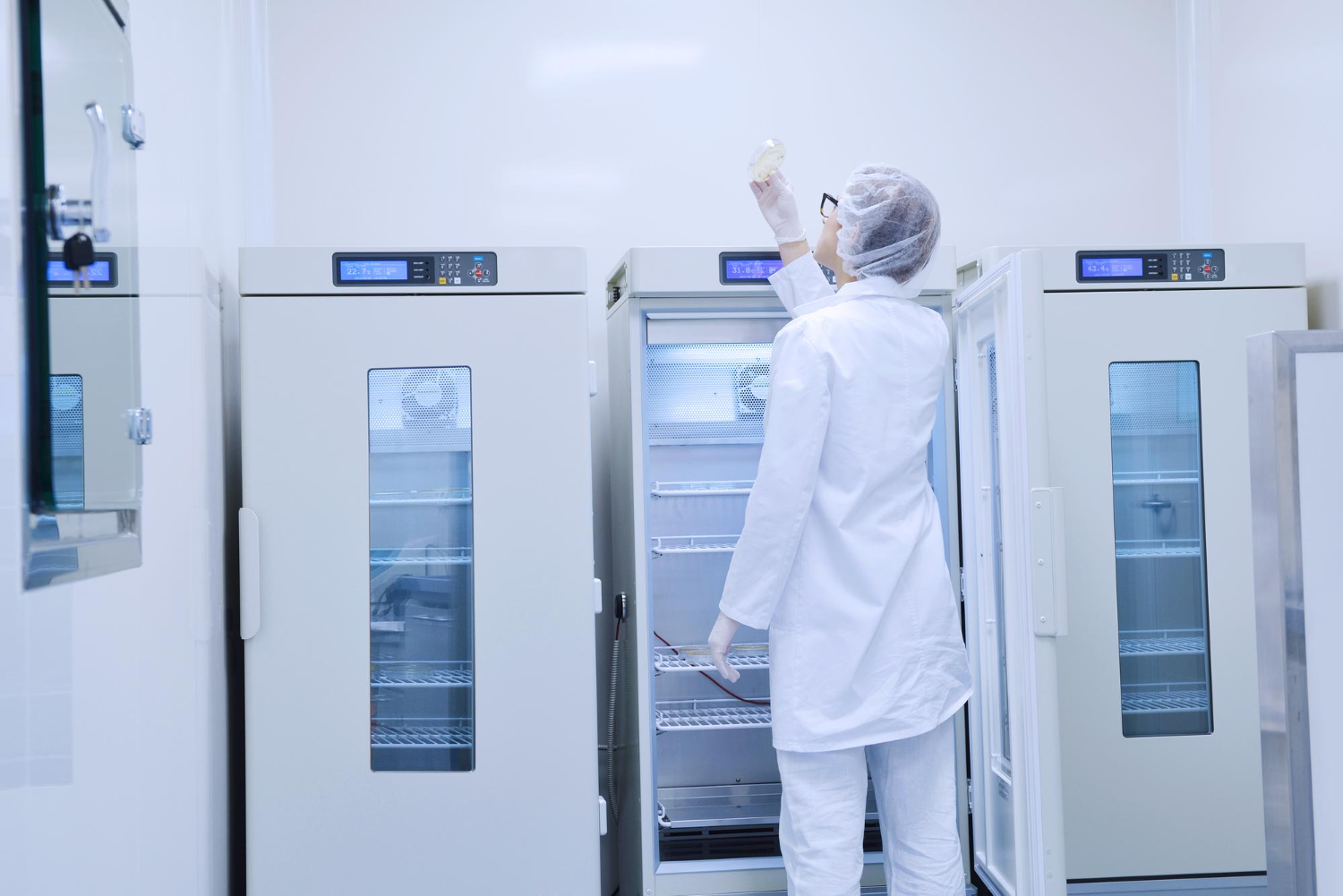
In labs, freezers do a lot more than keep things cold. They keep research moving, preserve samples, and play a huge role in compliance. When a freezer drops out of range, that one issue can affect hours, or even years, of work. That’s why having a reliable freezer monitor alarm is more than just helpful, it’s necessary. A good freezer monitor alarm in Durham can catch changes early and help avoid spoilage, reporting gaps, or missed inspections.
As we get into spring, it’s a good time for labs across Durham, NC, to take a closer look at their monitoring setup. Temperatures outside are on the rise, which can put added strain on freezers and backup systems. It’s not just about heat either, power interruptions or mechanical hiccups tend to spike during seasonal transitions. Getting ahead of those changes now can help keep everything running smoothly through March, April, and beyond.
Why Temperature Monitoring Matters in Labs
Lab freezers do heavy lifting when it comes to keeping things safe. A short temperature swing, just a few degrees either way, can ruin stored materials. That includes blood, tissue samples, vaccines, and special reagents. These items are especially sensitive and usually part of a larger process that can’t simply be restarted.
Here’s what’s at risk when freezers don’t hold steady:
- Damage to valuable samples that can’t be replaced
- Non-compliance with standards from the FDA, CDC, and AABB
- Poor tracking and gaps in recordkeeping that can delay work or raise audit concerns
- Missed signs of freezer failure until it’s too late
Labs that handle blood products need to keep plasma frozen and red cells chilled within tight limits. Tissue banks must follow careful guidelines to protect transplants like corneas or cardiac valves. And hospital labs can’t afford to lose critical samples before a diagnosis. Monitoring temperature is part of meeting those standards, and keeping patient care, research, and operations on track.
Labs run on trust and planning. That’s why small mistakes with temperature can have big effects, especially if no one notices right away. Reviewing these risks helps us understand why monitoring (with backups and good reporting) should always be a top priority through every season.
What a Good Freezer Alarm Setup Includes
A solid freezer monitor alarm setup has a few key parts. All of them work together to catch temperature problems before they turn into costly issues or compliance failures.
- Sensors that read current temps and watch for changes
- Alarms that sound when limits are crossed
- Real-time notifications, like texts or emails, so someone can respond fast
- A logging system that records everything with time stamps for easy review
Automatic alerts cut down on missed checks or oversights, especially after hours. And digital logs make it easy to show inspectors exactly what happened and when.
Around Durham, spring can bring quick shifts in temperature and humidity. One day may feel like winter, and the next like summer. That matters to lab freezers, especially if equipment is older or already working near its limits. Monitoring gives us a way to catch jumps before they cause a loss.
When you choose a reliable freezer monitor alarm, you’re not just adding another gadget to your lab. You’re building a network of support. Notifying the team at the right moment, storing the right records, and responding quickly keeps your lab on track. Labs that have a well-set alarm system are less likely to lose expensive samples, miss audits, or fall behind on compliance checks. That peace of mind is worth the setup.
Setup Tips for Spring in Durham Labs
We see it almost every year. As the weather changes in Durham, systems that were stable in winter start to show small warning signs. Freezers may cycle longer, compressors may work harder, or power demand may spike.
Now’s a smart time to double-check a few things:
- Is the current freezer alarm still reading accurately?
- When was the last time sensors were calibrated for lab-grade accuracy?
- Is backup power tested and ready, especially for weekend coverage?
- Are alert settings still dialing out to the right contacts?
One of the best parts of remote monitoring is peace of mind when the lab is empty. Spring brings long weekends, schedule shifts, and holidays like Easter. Being able to check freezer status from home or on a phone cuts down on stress, and helps us respond fast if something needs attention.
If your lab’s monitoring feels out of date or you haven’t checked alert settings lately, this is a good moment to review them before the weather fully changes. Even small gaps, like a missed calibration or an out-of-date contact in the alert system, can lead to missed opportunities for quick action. Doing routine checks as temperatures rise makes a real difference.
Qualified Controls offers real-time remote monitoring systems for lab freezers, sending alerts by text or email and tracking conditions 24/7 so issues are spotted and solved quickly.
Staying Audit-Ready with Digital Logs and Alerts
Labs need to be ready when auditors walk in. That includes having proper logs, alerts, and tracking tools in place. Manual logbooks used to be the gold standard, but they come with delays and human error. Plus, it’s easy to miss an overnight failure if no one is checking.
Digital logs offer a better option. They record every change, every alert, and every response, all with time stamps. If the FDA or AABB asks for history on a storage unit, we can share logs that show exactly what happened. Having these tools keeps us in good standing and builds trust during inspections.
Here’s what makes digital tracking such a reliable option:
- Instant alerts when temperature goes out of range
- Logs that can’t be changed, erased, or forgotten
- Simple reports that tell the full story behind any flagged event
- Peace of mind during unplanned reviews or scheduled audits
With Qualified Controls’ monitoring solutions, lab teams can use cloud dashboards to review data, download logs, and receive notifications about any temperature or power issues. Meeting temperature rules isn’t just about passing reviews. It helps protect patients and research too.
Digital monitoring doesn’t just remove the guesswork for audits. It also frees staff to spend more time on lab work and less on daily paperwork or reviewing logs for gaps. In busy labs with lots of tasks and staff, having an always-on system means no one has to worry about forgetting a check.
Another plus is how digital logs store historical trends. Some audits or compliance checks ask for patterns or months of records, and it’s much easier to collect that information when it’s organized and always accessible on a secure cloud platform.
Keeping Labs Safer This Spring
Getting things right with lab freezer monitoring isn’t just about saving samples. It’s about doing solid, careful work every day, with systems we trust to catch problems before they become emergencies. A good freezer monitor alarm in Durham can help avoid product loss, keep operations steady, and meet the growing needs of compliance programs.
Alert systems, seasonal checks, and solid logs all work together. As the weather warms up in Durham, staying ahead of freezer issues gives us time to focus on the rest of our lab work with confidence and less worry. The small steps we take now carry real weight in keeping samples safe and our lab ready for anything spring brings.
Setting aside a few minutes each week to check the system, review calibration dates, or update your backup contact can make all the difference when temperatures start to shift. Team members will feel better knowing someone is watching out for their hard work, and your lab will stay ready for review, tour, or research opportunities.
As the seasons change, it’s an ideal time to make sure your lab’s alarm systems are running smoothly. For labs handling sensitive samples, having a reliable freezer monitor alarm in Durham keeps you compliant and protects your samples from unexpected temperature changes. Staying proactive with regular checks and accurate logs builds day-to-day confidence. If you need help monitoring these updates or want to assess your current system, reach out to Qualified Controls for expert support.