
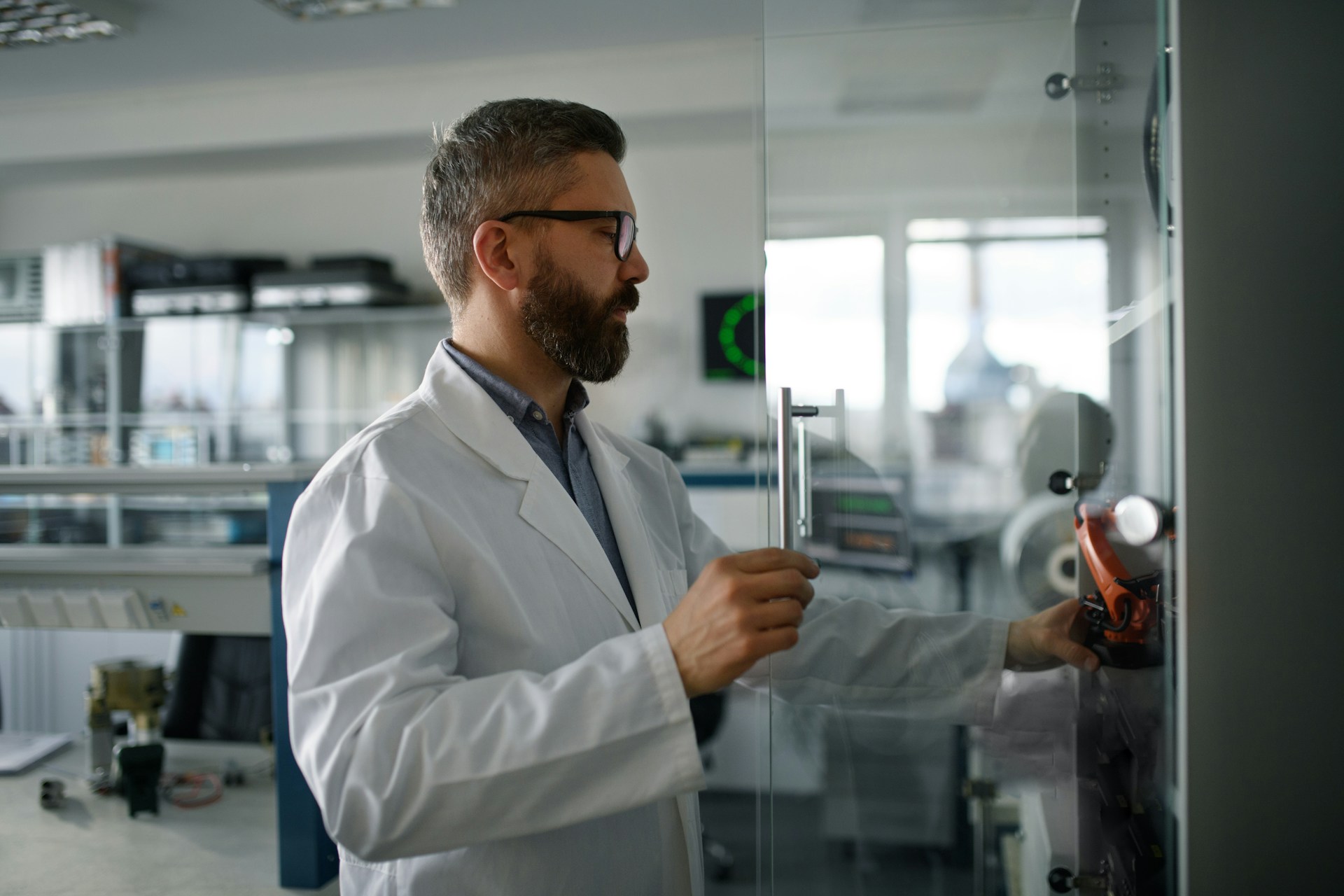
Real-time monitoring matters in regulated labs because conditions can slip out of range long before anyone walks by with a clipboard. When that happens, samples, drugs, and patient material are at risk, and so is your next inspection. A real-time monitoring system turns all that quiet risk into clear, live data you can act on right away.
In GxP labs, healthcare labs, and biotech R&D, rules keep stacking up from groups like the FDA, CDC, CAP, CLIA, ISO, USP, and WHO. Manual checks and basic data loggers struggle to keep up with 24/7 work, remote storage, and tighter audit expectations. This spring is a natural time to clean up old monitoring habits, refresh SOPs, and get ready before summer heat and humidity put your freezers, fridges, and cleanrooms under extra stress. At Qualified Controls, we focus on automated environmental monitoring for these exact kinds of spaces, so we see every day how modern systems turn compliance pressure into clear, real-time insight.
Turning Compliance Pressure Into Real-Time Lab Insight
Many labs still lean on paper logs, once-a-day readings, or basic recorders with data that must be downloaded by hand. That might check a box on a form, but it does not give you a full story of what happened overnight, on weekends, or during storms and outages.
A real-time monitoring system flips the script. Instead of reacting only when something goes wrong, you get:
- Continuous data from all key areas, not just a few daily snapshots
- Instant alerts when drift begins, not just when it is too late
- Clear records you can show to inspectors without scrambling
For labs under GxP and related rules, this kind of live visibility turns compliance from a stressful scramble into part of daily lab life. It also protects patients, research, and your lab’s reputation in a very direct way.
What Regulated Labs Really Need From Monitoring
Regulated labs have a different risk profile than general workspaces. You may be guarding:
- Temperature-sensitive vaccines or biologics
- Reagents and controls stored in cold rooms and freezers
- Cell cultures in incubators with tight CO2 and humidity needs
- Cleanrooms and pharmacies that must hold strict pressure and particle levels
If monitoring is incomplete or unreliable, the results can be harsh. You can lose irreplaceable samples, have to repeat studies, face questions about patient safety, or struggle through inspections that find gaps in records or unexplained excursions.
Regulators expect more than “we checked the temperature twice a day.” They expect:
- Continuous or near-continuous monitoring of temperature, humidity, pressure, and CO2 where needed
- Data that is traceable and secure, with clear timestamps and audit trails that support ALCOA+ principles
- Alerts, documented responses, and clear links to deviation and CAPA processes
Basic compliance is not the same as best practice. Labs that go beyond the bare minimum usually see fewer deviations, less waste, and smoother inspections. Environmental monitoring should be treated as a core quality system element, not just an add-on box on an equipment list.
Core Building Blocks of a Real-Time Monitoring System
A real-time monitoring system is simply a set of connected sensors, secure gateways, and cloud software working together so you can see conditions across your lab at any moment.
Key hardware pieces include:
- Wireless sensors and probes that can live in freezers, refrigerators, ambient rooms, incubators, and cleanrooms
- Gateways or hubs that pull data from sensors and send it securely to the cloud across rooms, floors, or sites
- Power and communication backup options, like batteries and cellular paths, so monitoring does not fail when the power goes out
On the software side, a strong setup gives you:
- Custom dashboards so you can see every monitored asset at a glance
- Intelligent alerts by text, email, or phone when readings or communication fall out of set limits
- Reporting and trending tools that make it simple to support audits, including 21 CFR Part 11-style electronic records and signatures
Data security matters too. Encrypted connections, role-based access, and strong authentication help meet both IT needs and QA expectations. At Qualified Controls, our cloud-based, managed monitoring approach is designed to carry much of this load so internal teams do not have to build it all themselves.
Designing Monitoring That Passes Real Inspections
To stand up to cGMP, GLP, and GDP expectations, a monitoring system needs to be planned and documented like any other validated system. That starts with a clear User Requirements Specification (URS). You spell out which spaces and assets must be monitored, which parameters matter, and why.
From there, labs usually work through:
- Installation Qualification to show the system is set up correctly
- Operational Qualification to confirm it functions as intended
- Performance Qualification to prove it holds up under real-use conditions
Ongoing requalification and sensor calibration are just as important. Inspectors want to see proof that devices are accurate and that any changes are controlled and tracked.
Strong documentation helps inspections go smoothly, including:
- Clear records of alarm limits, configurations, and user roles
- Secure audit trails for alarms, acknowledgments, and configuration changes
- Standard reports that show excursions, responses, and follow-up actions in a way inspectors can follow quickly
A well-implemented real-time monitoring system can protect you from common findings like missing data, ignored alarms, or uncalibrated sensors. For multi-site organizations, a shared platform also supports standard settings and central oversight across locations.
Turning Alarms Into Actionable Lab Workflows
Technology is only half of the story. The way lab teams interact with alarms every day makes the real difference.
An effective alarm strategy usually includes:
- Risk-based limits and early warning levels that help prevent alarm fatigue
- Time delays so small door openings or brief events do not create false noise
- Clear escalation paths by role, shift, and asset importance
Alarms and events should tie directly into your QMS and SOPs. That can include:
- Standard steps for handling excursions from first response through root cause and CAPA
- Links between monitoring data and batch records, stability studies, or clinical sample chains
Managed services add another layer of support. With a managed monitoring partner, labs can get 24/7 system health checks, help with configuration, and support in building audit-ready reports and stories from raw data. This becomes especially helpful when planning for holidays, vacation periods, and warmer months when staffing changes and equipment stress both go up.
Building a Future-Ready Monitoring Strategy This Spring
Spring is a good time for lab and QA leaders to step back and ask a few blunt questions. Are legacy loggers still hiding in freezers? Did any recent near-misses trace back to missing or unclear data? Are old SOPs keeping up with newer equipment and storage setups?
A simple checklist can guide your next steps:
- Are all critical spaces covered with continuous, calibrated monitoring?
- Can you quickly pull complete data histories for any asset during an inspection?
- Do alerts reliably reach the right people, and are responses documented every time?
- Can your current setup scale as you add new labs, new equipment, or new regulatory expectations?
Many teams start with the highest-risk assets like ultra-low freezers, biologics storage, or critical patient material, then expand across the building or enterprise. This phased plan keeps risk in check while change is happening.
Specialized providers like Qualified Controls focus on joining wireless sensors, cloud software, and managed services into one monitoring approach that fits regulated labs, healthcare settings, and cold storage operations. Investing in a real-time monitoring system now helps protect today’s samples and patients and also sets the stage for more automated, data-driven, and inspection-ready lab operations in the seasons ahead.
Protect Your Critical Inventory With Continuous Visibility
If you are ready to reduce product loss and compliance risks, we can help you put a reliable real-time monitoring system in place. At Qualified Controls, we partner with your team to design and configure monitoring that fits your existing workflows and regulatory needs. Take the next step toward safer, more efficient operations by reaching out so we can review your current setup and recommend a clear improvement plan.