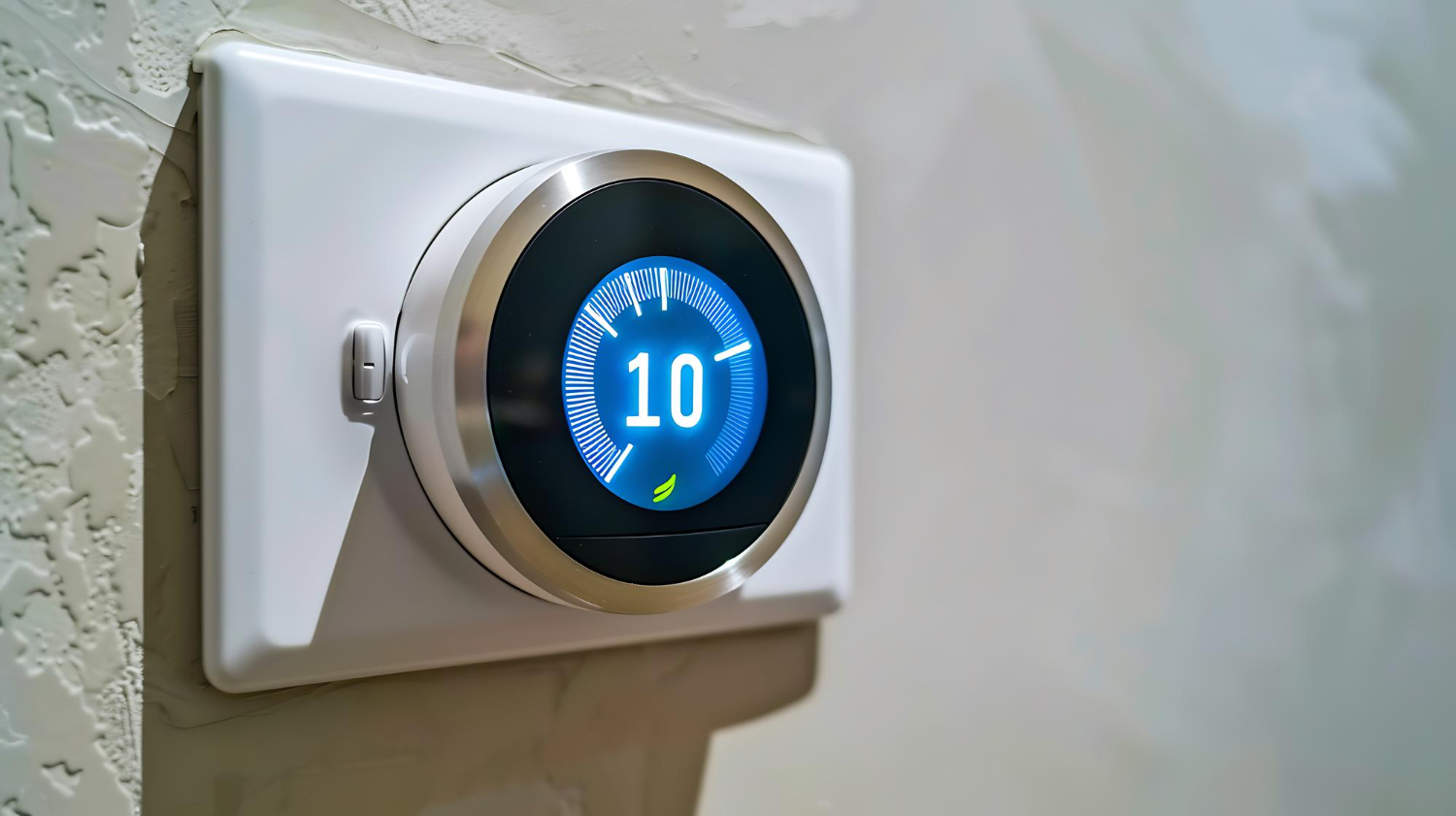
Cold rooms, freezers, and vaccine fridges do not care if it is 2 a.m. If they drift out of range, product can be lost, and that can hit patient safety, research timelines, and your brand. A reliable remote temperature monitoring system is one of the quiet tools that keeps everything stable in pharma, biotech, food, and healthcare spaces.
As late winter rolls into early spring, things get shaky. One day is mild, the next is freezing rain, then a sudden warm spell. Power flickers, HVAC equipment works harder, and weak spots in your monitoring network start to show. A big part of staying compliant in these swings is picking the right wireless backbone for your sensors. For many teams, that choice comes down to LoRa or WiFi. At Qualified Controls, we work with both, combining wireless sensors, cloud software, and managed services so you do not have to depend on one-off data loggers and manual checks.
Stop Losing Sleep Over Remote Temperature Gaps
In regulated spaces, temperature is not just a comfort setting; it is part of your quality system. If a freezer drifts, it can affect drug strength. If a cooler warms up, food safety can be at risk. Auditors want to see that you did not just set a dial and hope, they want proof that you watched, recorded, and reacted.
Late winter and early spring make that job harder. Sudden cold snaps and wet snow can trip power. Quick warm-ups can throw building systems off balance. If your remote temperature monitoring system loses its wireless link at the same time, alarms may come late or not at all.
That is why the connectivity layer matters. WiFi and LoRa are both wireless, but they behave very differently when walls, distance, and bad weather get in the way. Our goal in this article is to help you see which fits your spaces, and where a mix might be smarter than choosing only one.
What Your Monitoring Network Really Needs to Deliver
When people say “remote,” they often mean more than just “down the hall.” For temperature monitoring, remote can include:
- Cold rooms at the end of long corridors
- Walk-in coolers behind thick insulated doors
- Outdoor tanks or sheds behind the main building
- Trailers and vehicles parked on a lot
- Offsite storage or overflow space
Signal has to travel through concrete, metal, insulation, and sometimes across open yards. The more obstacles, the more likely you are to see dropouts if the wrong tech is used.
On top of that, regulated teams need more than just “most of the data most of the time.” A good remote temperature monitoring system should support:
- 24/7 continuous logging with no unexplained gaps
- Time-stamped alarms tied to clear users and actions
- Secure data retention that lines up with FDA, GMP, GxP, and CDC expectations
- Audit trails that show what happened, when, and who responded
Power and maintenance are another piece. If batteries die often, or sensors need constant IT help, people stop trusting the system. The wireless choice affects:
- How long batteries last between changes
- How often staff must visit awkward areas like ceilings or rooftop units
- How many tickets land on your IT queue
You also want to think ahead. Maybe you only monitor a few refrigerators today. What about when:
- You open a new wing or offsite warehouse
- You add mobile vaccine clinics or seasonal trailers
- You bring in more specialty storage such as ultra-low freezers
The network should be able to grow without needing a ground-up rebuild every time you add a device.
How WiFi Performs for Remote Temperature Monitoring
WiFi can be a good fit when conditions are friendly. It often works best in:
- Small or medium facilities with open floor plans
- Labs where WiFi already reaches every bench
- Areas where sensors can plug into power or be near outlets
- Spaces with light construction and few thick walls
In those settings, it can feel natural to add your sensors to the same network people already use for laptops and tablets.
But WiFi has some clear blind spots. Mechanical rooms, walk-in coolers, basements, and heavy concrete or brick can block or weaken the signal. Metal racks, insulated panels, and dense equipment create shadows where WiFi struggles. That is when you see:
- Data drop-offs when doors close
- Dead zones at the back of a room or inside a freezer
- Random gaps when other WiFi devices create noise
Then there is the IT layer. WiFi usually means:
- Network segmentation and security reviews
- Credential and certificate management
- Change control when SSIDs or passwords update
- The risk that a sensor is quietly dropped during a network refresh
During late winter and early spring, HVAC systems often cycle harder to keep up with swings in outdoor air. More cycling means more chances for an excursion. If your alarms depend on a WiFi link that cuts out right when the compressor fails, you may learn about a problem only after a product check fails.
Why LoRa Excels in Hard-to-Reach and Regulated Spaces
LoRa is built for long range and hard spaces. It uses low-power radio signals that travel far and slip into areas where WiFi often fails. A single gateway can reach:
- Deep into freezers and cold rooms
- Through concrete and block walls
- Down into basements and service corridors
- Across larger campuses or clusters of buildings
For a site with spread-out assets, that reach can cut down the number of access points you need.
LoRa sensors are also designed for ultra-low power use. In practice, that can mean:
- Batteries that last for years instead of months
- Fewer trips to swap devices in tight or cold spaces
- Less surprise downtime when someone forgets a battery change
Instead of riding on your corporate WiFi, LoRa often runs on its own dedicated layer. That separation can be helpful in regulated buildings where IT must guard every change to the main network. With a dedicated LoRa path, you can:
- Avoid fighting for WiFi bandwidth in busy office areas
- Reduce the chance sensors drop off during IT upgrades
- Keep your monitoring traffic simple and focused
Because of that reach and stability, LoRa often fits well with GxP-style monitoring. It supports continuous data, clear alarm paths, and a managed network design that is easier to document and defend when inspectors ask how your remote temperature monitoring system actually works.
Choosing the Right Path for Your Remote Monitoring Strategy
So how do you decide between LoRa and WiFi? It helps to walk through a few key questions:
- How large is your facility, and how thick are the walls and doors?
- Are you monitoring a few fridges, or also warehouses, vehicles, and outdoor assets?
- How heavy is your regulatory load, and how strict are your audit expectations?
- Does your IT team have time and interest to manage WiFi sensors?
- How fast do you expect your operations to grow or change?
Some organizations end up with a hybrid approach. For example, they might:
- Use LoRa for high-risk, hard-to-reach, or heavily regulated areas
- Use WiFi for non-critical storage or office-adjacent spaces
- Pull all sensor data into a single cloud platform for alarms and reports
Total cost is not just about hardware. Using existing WiFi can look simple at first, but hidden costs show up as:
- Outages and unplanned data gaps
- Extra IT labor to keep sensors connected
- Time spent responding to excursions that better connectivity could have caught sooner
Building a dedicated LoRa layer takes planning, but it can lower long-term risk and reduce the support burden on your own staff.
Late winter and early spring are a good time to stress-test your setup, while temperatures and storms are still jumping around. If your remote temperature monitoring system can stay steady now, it will be better prepared when the heat and humidity of summer put even more pressure on your cold chain.
Taking the Next Step Toward Always-On Compliance
This is the point where it helps to get honest about gaps. Where do you still depend on clipboards or walk-by checks? Which rooms or units have weak or no signal? When seasonal swings hit your area, which assets do people quietly worry about the most?
At Qualified Controls, we focus on building automated, real-time environmental monitoring that uses wireless sensors, cloud software, and managed services to cover those weak spots. Instead of a patchwork of data loggers, you get a planned network and a single source of truth. When you pair the right connectivity backbone, whether LoRa, WiFi, or a blend of both, with a unified platform, audits become less stressful and seasonal changes feel a lot less risky.
Protect Your Critical Inventory With Reliable Remote Monitoring
If you are ready to prevent costly product losses and compliance issues, we can help you design a robust remote temperature monitoring system tailored to your facility. At Qualified Controls, we work closely with your team to align sensors, alerts, and reporting with your exact clinical and regulatory needs. Reach out today so we can review your current setup, identify vulnerabilities, and guide you toward a reliable, scalable solution.