
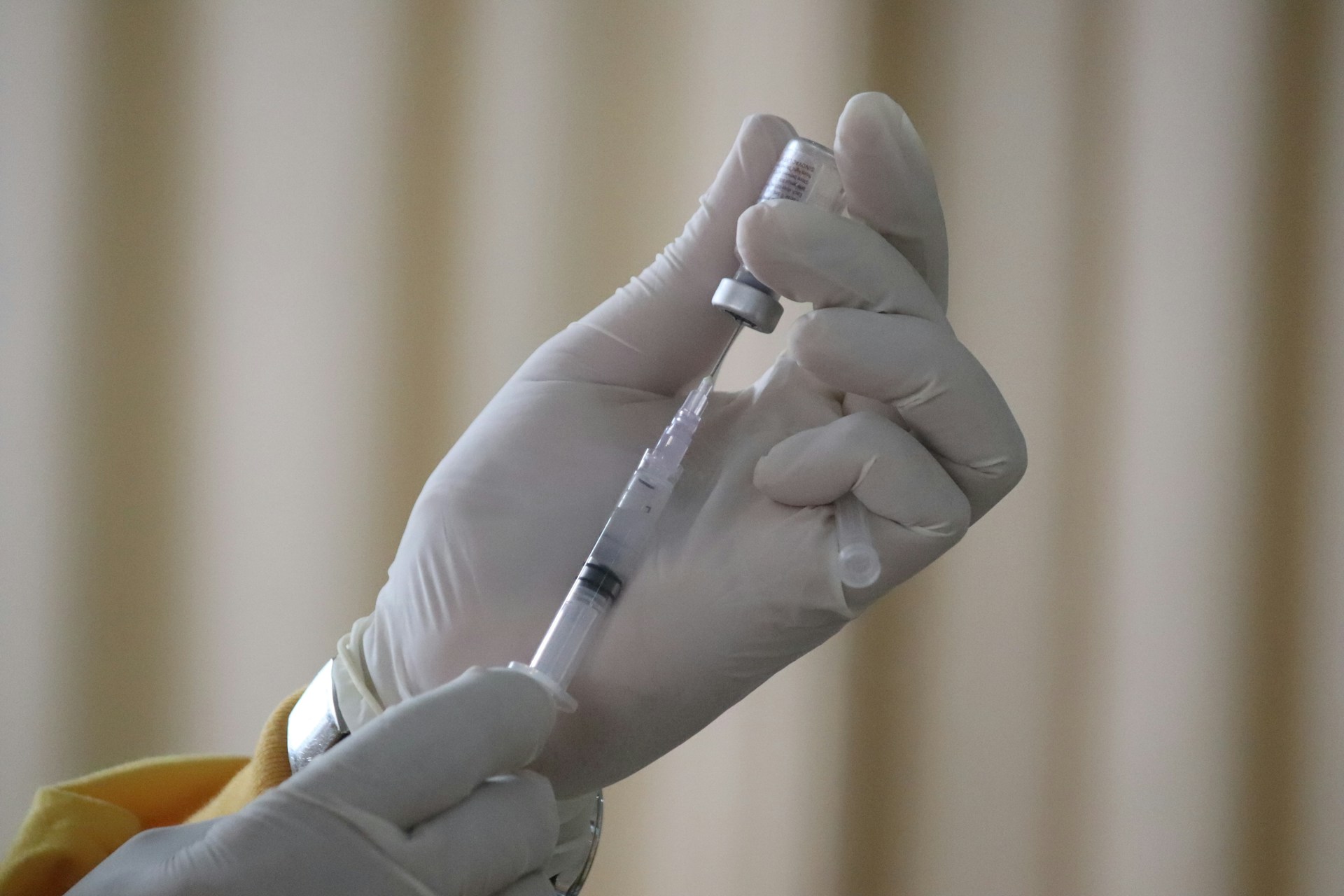
When we store vaccines, keeping the temperature right is not optional. If things get too warm or too cold, the medicine might stop working the way it should. And when that happens, the impact reaches far beyond the fridge.
One of the best tools we’ve found for helping with vaccine storage is a digital data logger. It keeps constant track of how things are going and shows us when something needs attention. That’s one reason why many hospitals and pharmacies now rely on this kind of tool, especially during vaccine season in places like Durham, NC.
Using a digital data logger for vaccines isn’t just about tracking numbers. It’s about staying ready, keeping people safe, and making sure one missed reading doesn’t throw off a day’s worth of progress. Let’s walk through what they do and why they matter during the busy months of January and February.
Why Temperature Control Matters for Vaccines
Some vaccines are very sensitive. A few degrees in the wrong direction can cause them to break down or lose strength. Once that happens, it’s not always visible right away, which makes temperature control even more important.
There are a few common problems we’ve seen before:
• Refrigerator doors being left cracked open, even for a minute
• Power glitches that reset a fridge without anyone noticing
• Putting vaccines too close to a cooling fan or heater
• Using household fridges that don’t hold steady temperatures
During inspections, logs showing proper temperature records are often reviewed. If we don’t have clear, consistent records or if there is a gap, it can raise questions about the safety of stored vaccines. Alerts can also be the only way to catch an issue before it becomes serious, especially during power outages or equipment failures.
What a Digital Data Logger Does
A digital data logger is a small device that checks the temperature again and again, around the clock. Rather than asking staff to take manual readings every hour, it simply does the job in the background and saves those numbers automatically.
Here’s how it helps:
• It takes regular readings, even when no one is in the room
• It saves those readings in a report that can be pulled at any time
• It sends out alerts if something goes wrong, like if the temperature gets too high or low
• It keeps backups, so we still have records even if power is lost
This kind of tool doesn’t need a person to watch it constantly, but it gives staff more confidence. If a fridge climbs out of range for even a few minutes, we’ll know right away. And if an inspector asks to see past data, we can pull that information in seconds. Qualified Controls provides automated monitoring systems that offer both 24/7 readings and instant alerts by email or text, supporting a safer vaccine storage process year-round.
Features to Look For in a Digital Logger Setup
Not every digital logger works the same way. Some are easier to use or more updated than others. When choosing a system, a few clear features can help us make smarter picks for our hospital or pharmacy.
1. A screen that’s easy to read and clear alarms that flash or beep
2. Wi-Fi or cellular features so we’re not stuck checking devices by hand
3. Automatically saved reports we can print or view from another device
4. Long battery backup so it works during power loss
5. Buttons that are simple and not easy to press by mistake
Real-time data is one of the most helpful features. Manual checks often only show a snapshot, but real-time logging shows how cold or warm things got over the course of the entire day or night. That makes it easier to spot slow drifts or patterns that manual tracking could miss. With Qualified Controls, you can access remote monitoring dashboards and automatic report generation right from your phone or computer.
How Digital Logging Helps with Vaccine Season Prep
In winter months, vaccine demand can go up fast. Flu season, travel shots, and updated vaccines all hit around the same time. Pharmacies and hospitals in Durham, NC, often feel the push during January and February. That means less room for error and more strain on storage units.
A good digital logger setup helps take some of that pressure off. We don’t need to guess whether a unit is keeping up. With logging in place, we already know how stable the fridge or freezer has been.
Logs are also a way to stay ready for spot checks from health agencies. Whether it’s the CDC, FDA, or a state licensing board, having those digital records neat and complete means we’re always ready to show that we’re meeting storage standards.
Past data can help too. Looking at temperature trends from last winter can point out issues we don’t remember. It helps guide whether fridges may need service or updates before vaccine stock gets too high.
Better Protection with Smart Monitoring Tools
By adding steady digital tracking to our vaccine storage areas, we cut out a lot of stress. We protect the supply, avoid missed problems, and stay ready for busy seasons. Whether we’re running a small pharmacy or a large hospital wing, staying ahead is easier when the tools are working in the background and alerting us right away.
Digital data loggers for vaccines aren’t just about collecting numbers. They’re about making the room safer and the workflow smoother. When the tools support us well, the whole team feels more confident during busier winter months. Less guesswork, fewer disruptions, and more time spent focused on care.
At Qualified Controls, we know that reliable logging tools are key during vaccine season, especially in fast-paced environments like Durham, NC. When storage conditions change, accurate records help prevent wasted doses and unexpected challenges. Setting up a proven system with a digital data logger for vaccines provides valuable insights into your storage units. Our team can help you select the best solution for your needs. To get started, please contact us today.