
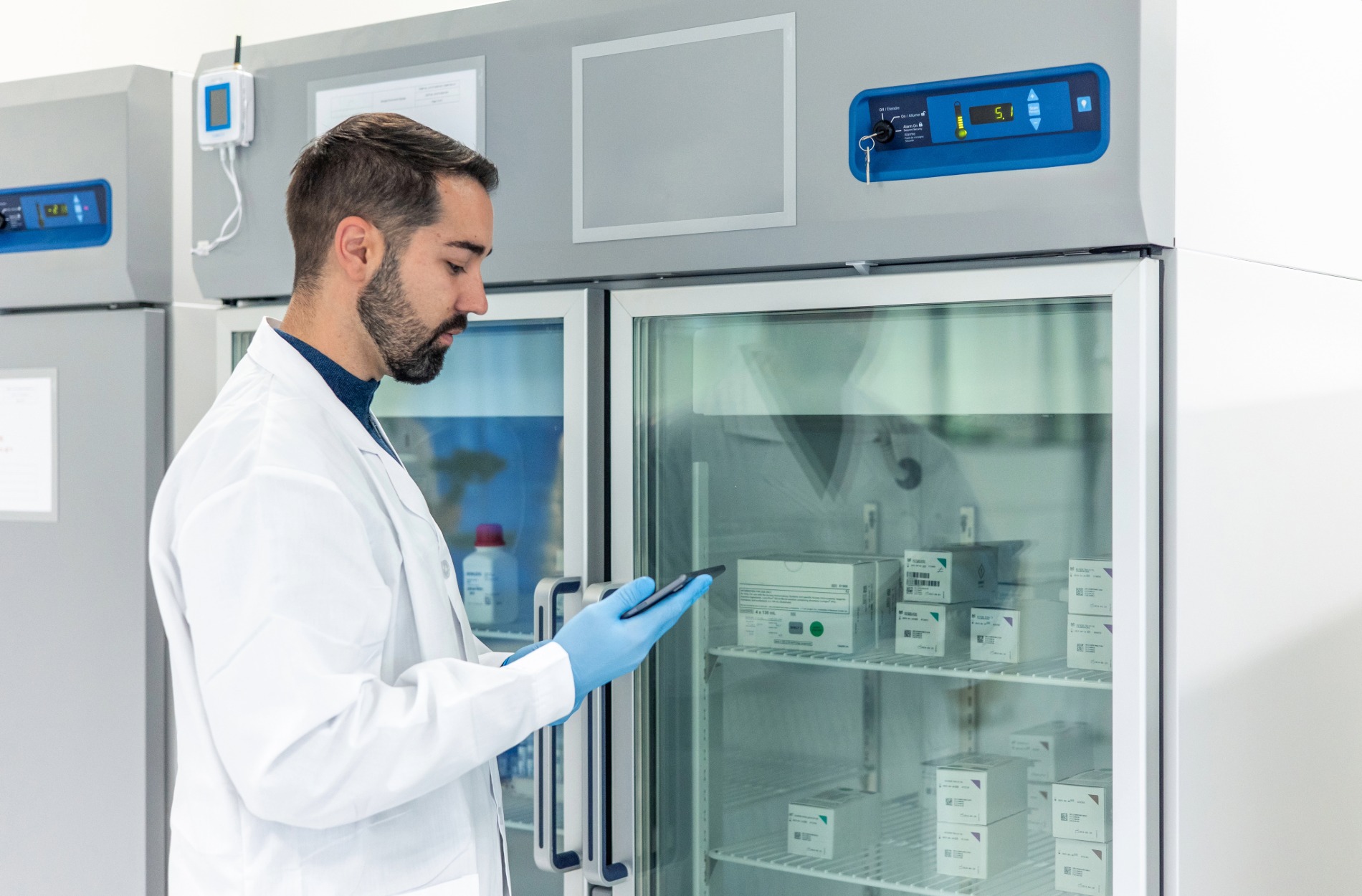
Many medications have strict storage needs. A few degrees too cold or too warm, and they might not work like they should. Some even become unsafe. That is why keeping a tight hold on the medication fridge temperature range is so important.
In places like Durham, NC, where winter brings chilly mornings and the occasional freeze, it is especially risky if temperature controls fail or go unnoticed for too long. Medical fridges in hospitals, pharmacies, and clinics have one job, keep medicine safe. But without accurate monitoring, this job can fall short. Let’s look at why proper temperature really matters and what systems we count on to help us stay on top of it through the winter and beyond.
How Medication Temperature Affects Patient Safety
Medications are made to work under very specific conditions. Once exposed to the wrong temperature, they can start to break down. Sometimes, the changes are visible. Other times, they are invisible, and that can be even more dangerous. A staff member could pull what looks like a good supply from the fridge, not realizing it was stored too warm overnight and is no longer safe to use.
Medical staff rely on their tools and storage to protect patients, not hurt them. When fridges fail, patients pay the price. With many types of medicines kept in one place, one issue can impact more than a single treatment. That is why constant temperature control is necessary.
• Medications can lose strength if fridges are too warm
• Some drugs become harmful if they freeze
• Problems can go undetected without clear monitoring
Every fridge matters, from a hospital hallway unit to a backroom pharmacy cooler. If it holds medicine, it needs to be stable.
What the Rules Say About Storage
Medical storage rules are not random. They come from places like the FDA, CDC, and other health agencies that want patients to be protected. These rules say that medicine must be kept at specific temperatures. The rules require proof. That means digital logs, automatic checks, and alert systems people can trust.
Fridges holding medication need to:
• Stick to approved storage temperature ranges
• Keep clear, time-stamped logs of all readings
• Send alerts if something goes wrong
Hospitals and pharmacies also follow rules shared in USP <797> and <800>. These outline proper handling for sterile and hazardous drugs. A sudden cooler failure or missed reading can bring big risks during an audit, or worse, put a patient’s treatment in danger.
Most places already do daily checks. Mistakes can happen when it is done by hand or on paper. That is where smarter systems help staff stay audit-ready without adding extra stress to the day. Qualified Controls provides automated logs, real-time alerts, and remote monitoring, so teams in Durham can always have up-to-date records and maintain compliance.
The Winter Factor: Why Cold Weather Adds More Pressure
Winter adds pressure to systems we depend on. In older buildings around Durham, NC, cooler rooms and faulty heating units can make a fridge work harder to hold a steady temperature. Add in a storm or quick freeze, and even backup power may fall behind.
Seasonal shifts can change how appliances behave. Human behavior changes too, people tend to open fridge doors more often in colder months to grab vaccines or medicine fast, especially during flu season or virus surges. That quick open can cause a sharp drop or spike inside the fridge, which might stick around longer than anyone realizes.
Here is what we have noticed during winter:
• Older or unsealed doors let in cold drafts
• Rooms with poor heating affect nearby fridges
• Power blips are more common with storms
• Routines change, especially during busy flu months
Equipment that ran fine in spring or summer may act differently once the weather shifts. That is why our winter focus shifts too, making sure small swings do not lead to big problems.
What to Look for in a Monitoring System
Not every fridge monitoring system works the same way. We look for tools that our team can learn quickly and use daily without confusion. If someone gets an alert in the middle of the night, it needs to be clear, fast, and reliable.
Here are a few features that help the most:
• Monitoring that runs nonstop, even through power changes
• Mobile alerts that reach staff fast
• Data stored in the cloud so everything is easy to check and print when needed
Winter is not the time to guess whether meds are safe. A good system watches temperatures and tells us exactly when and where problems start so we can fix them before medicine goes to waste. Qualified Controls offers easy-to-use software you can access from any device, letting hospitals and pharmacies track temperatures anytime for immediate decisions and historical reports.
Peace of Mind Comes with Reliable Monitoring
Knowing our medication fridge temperature range stays in the right zone gives us more than just compliance. It gives us peace of mind. We do not have to second-guess whether a fridge stayed too warm over a long weekend or during a short outage. Our checks and alerts already had it covered.
When we get this right, everything runs smoother. Staff can focus on patients instead of paper logs. Pharmacists can feel confident about the vaccines they store. Nurses do not have to wonder if a treatment dose has been compromised. The tools we depend on give us the trust we need every step of the way.
Winter brings extra risks, but it also brings reminders. It reminds us why small details matter. A trusted monitoring setup helps us focus on what really counts, knowing we did everything we could to keep our patients safe.
Keeping medications safe through every season means staying ahead of the details that matter, like making sure every fridge is working as it should. When we monitor systems closely, we avoid guesswork and stay ready for whatever the weather brings, especially here in Durham, NC, where winter can sneak up fast. The right tools make all the difference in tracking the correct medication fridge temperature range without adding extra steps to already busy routines. At Qualified Controls, we build smart systems that help hospitals and pharmacies protect both their inventory and their patients. Ready to improve how your facility manages safe storage? Reach out today.