
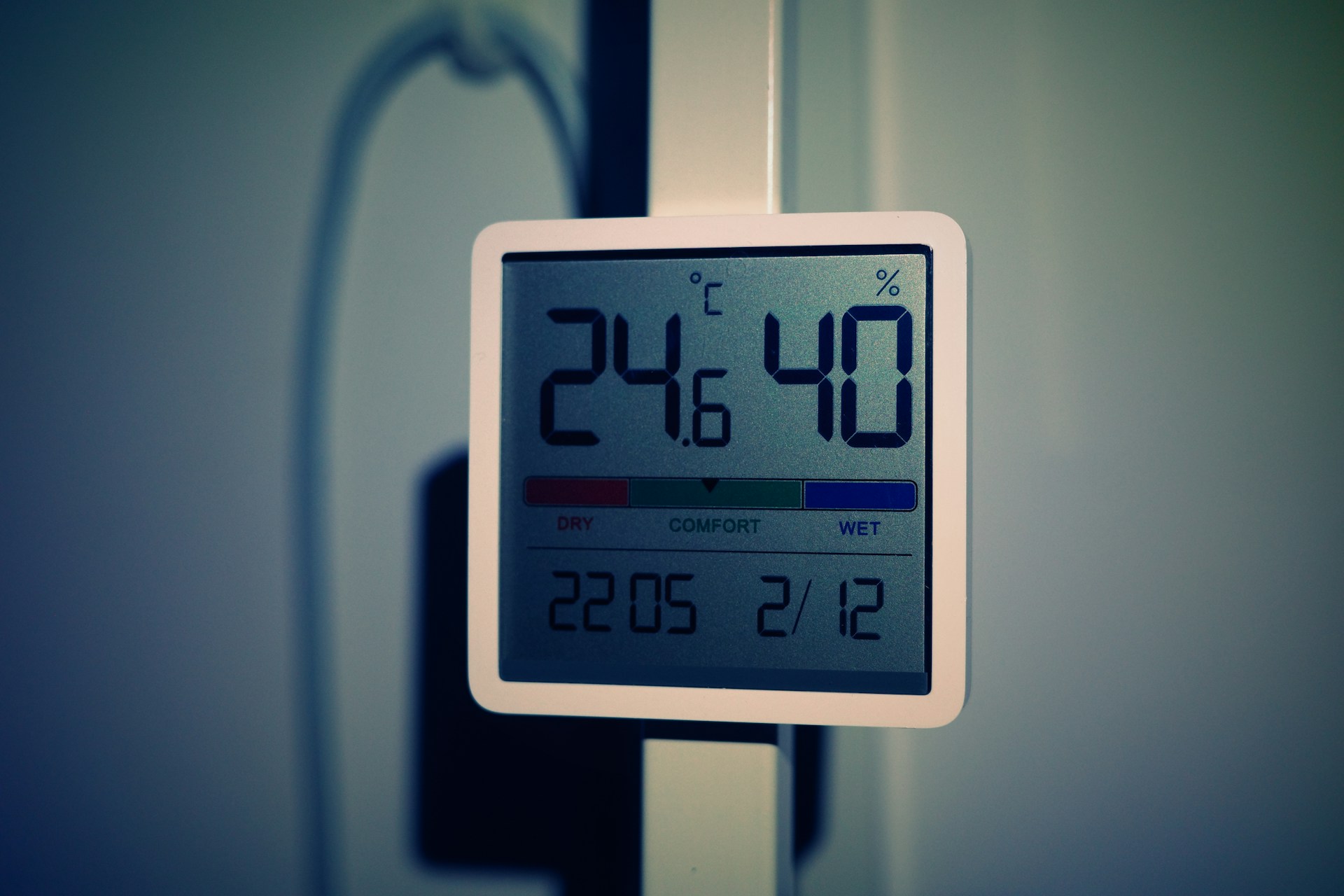
Winter in Durham, NC brings its own set of trials, especially for those relying on remote temperature monitoring. Frigid temperatures can not only make it uncomfortable but can also pose serious challenges for facilities that need to maintain strict temperature control. Whether it’s a blood bank or a pharmacy, the importance of monitoring these environments becomes even more critical during the colder months. Imagine you’re trying to keep a delicate balance in a snowstorm; that’s what it can feel like managing these systems in winter. When temperatures drop and storms roll in, ensuring that everything stays stable inside becomes a top priority.
Temperature control is particularly necessary for places where precision is key, such as hospitals and tissue banks. Any slip in maintaining the correct temperature can lead to spoiled supplies, putting both operations and patient safety at risk. That’s why understanding the specific challenges winter weather brings and knowing how to combat them is so important. By staying informed, facilities can prevent issues before they disrupt operations.
Common Winter Weather Challenges for Remote Temperature Monitoring
When winter hits, remote temperature monitoring faces several hurdles. One major issue is power outages. Heavy snow or ice can easily knock out power lines, leaving facilities without the electricity they need to run their monitoring systems. Without power, there’s a risk of losing real-time data and missing critical alerts. Another common issue is connectivity problems. As the weather turns nasty, maintaining a stable internet connection becomes difficult, which is troubling for devices that depend on solid internet to function properly.
In addition to these technical challenges, there is the larger problem of temperature fluctuations. Devices intended to maintain steady temperatures might struggle during extreme weather, which can lead to inconsistency in handling sensitive materials. This inconsistency affects the viability of the items stored within, whether it’s life-saving medicines or critical research materials.
Remote temperature monitoring during winter requires vigilance. Understanding and anticipating these challenges allows facility managers to act more securely, ensuring that their equipment and supplies are safeguarded despite the harsh conditions. With proactive measures, it’s possible to maintain the delicate balance of temperature needs and keep operations running smoothly even when the weather is anything but predictable.
Effective Solutions for Winter Weather Challenges
Finding effective ways to keep temperature monitoring systems running during winter can make a big difference. Backup power sources are crucial for ensuring that monitoring devices remain operational despite power cuts. Having an alternative energy source, like a generator or a battery backup system, helps maintain the flow of real-time data and avoids disruptions that could prove costly.
Internet reliability is another key consideration. A stable internet connection ensures that alerts and data are transmitted without interruption. Utilizing redundant internet connections, such as having both wired and wireless options, can safeguard against connectivity issues. This dual setup can greatly minimize the risk of losing contact with monitoring systems during the harshest weather conditions.
Protective measures such as insulated enclosures and heated systems can guard devices against the elements. By insulating sensitive equipment, you prevent temperature sensors from malfunctioning due to external cold. Heated systems keep units at functional temperatures, reducing the risk of equipment or data loss.
Benefits of Remote Temperature Monitoring in Winter
Remote temperature monitoring during winter offers numerous benefits, keeping operations smooth and reliable. One significant advantage is the ability to receive real-time alerts. Swift notifications give facility managers the chance to address potential issues before they escalate, preventing possible equipment failures and safeguarding stored materials.
Automated logs provide another layer of protection, particularly during audits and inspections. These logs record and store temperature data, helping demonstrate compliance with regulations. Facilities that require strict temperature control, like blood banks and hospitals, benefit hugely from having audit-ready reports readily available.
How Qualified Controls Can Help
Qualified Controls offers solutions specifically crafted for these winter challenges. With specialized sensors and software systems, you can confidently keep tabs on temperature levels around the clock. This expertise in real-time monitoring delivers peace of mind when winter weather poses its hardest tests.
Stay Prepared for Winter with Reliable Monitoring
Facing winter with a proactive strategy ensures that your facility remains a step ahead of potential challenges. By addressing common problems head-on and implementing effective solutions, you can maintain optimal conditions and protect crucial assets. Embrace a proactive approach to keep everything running smoothly, even when winter throws its worst at you.
Winter conditions in Durham can be challenging for maintaining crucial environmental controls. With these insights and strategies, you’re in a better position to handle whatever winter throws at you. For those looking to enhance their monitoring setup with advanced solutions, consider the benefits of remote temperature monitoring. Visit Qualified Controls to explore how their reliable support can ensure smooth operations through the winter season.